







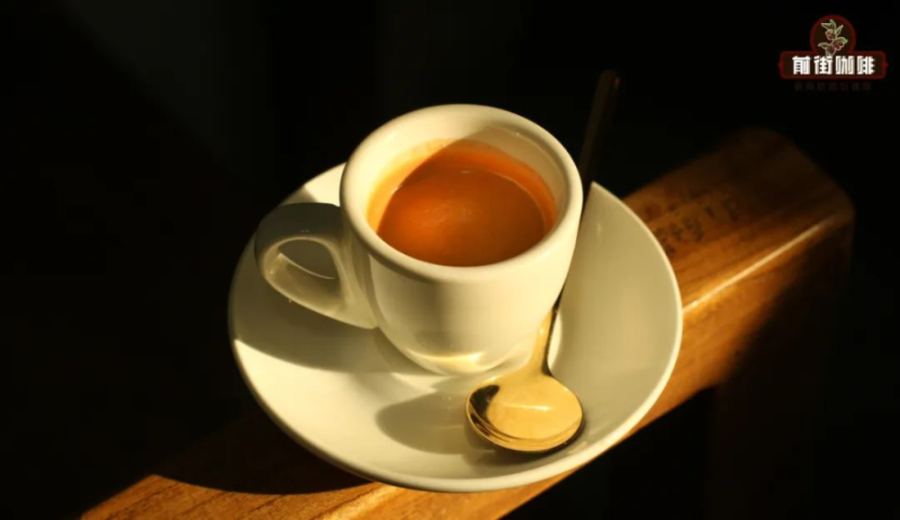
Introduction:Intimidated by the intense flavor of your first espresso? This guide will help you master the art of tasting espresso through three key aspects—color, aroma, and taste. Learn how to observe the crema, sniff out the aromatic profile, and appreciate the aftertaste nuances. Transform from a beginner into a true coffee enthusiast who can truly appreciate the allure of espresso.
Many people hesitate or even lose interest in this classic coffee when ordering espresso for the first time at a café, often due to its bold intensity. However, the issue is usually not with the coffee itself, but with how we taste it. Gulping it down without thought often leaves only bitterness and harshness, making it hard to perceive the layers and refinement. With the right observation and drinking process, this small yet powerful drink reveals unexpected depth and charm.
This article will take you deep into the core dimensions of “color, aroma, and taste” to understand how to properly taste espresso, along with practical steps for drinking and suggestions on the best timing to savor it—so you won’t miss out on the essence of this remarkable cup.
Espresso is a small, highly concentrated coffee extracted under high pressure. Though small in volume, it packs the essence of coffee. From a tasting perspective, it shares similarities with wine appreciation—both emphasize observing color, smelling aroma, and savoring flavor. Master these elements, and you’ll uncover a richer spectrum of flavors.
[Color: The Crucial Role of Observing the Crema]
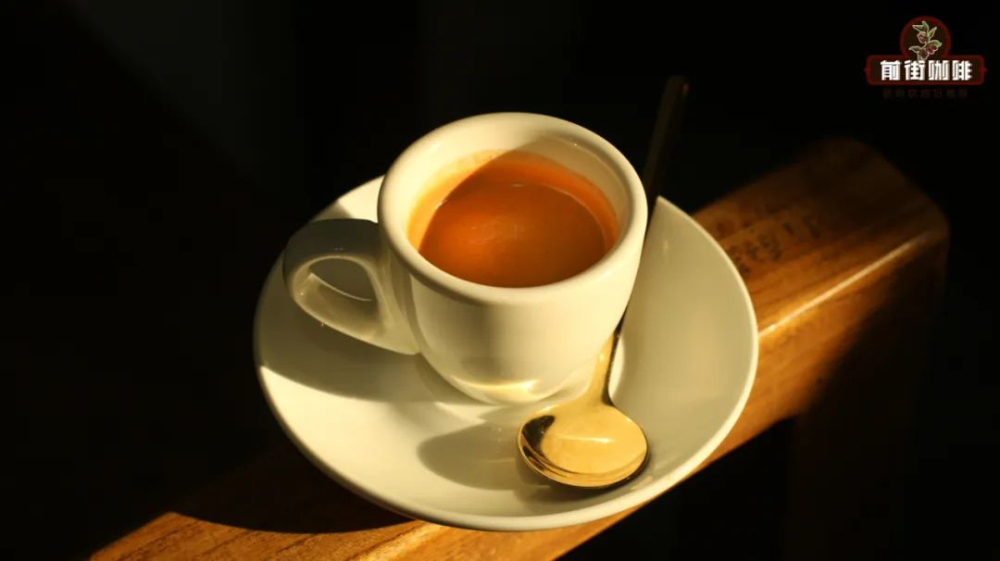
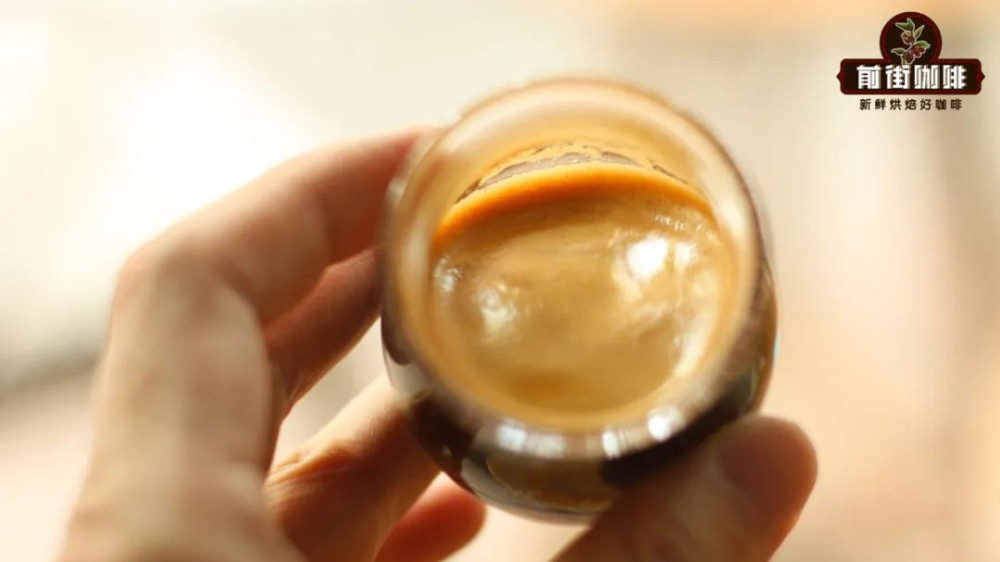
First, carefully observe the surface of the espresso—the golden to brownish layer known as crema is the soul of the cup. Composed of carbon dioxide, fine oils, and volatile aromatic compounds, the crema affects not just appearance but also directly influences taste and aroma release. Ideally, the crema should be fine, velvety, and long-lasting, which usually indicates a well-executed extraction.
When you see a thick and even layer of crema, it’s recommended to take a big sip, letting this buttery texture glide over your tongue, delivering a silky and rich mouthfeel. However, note that espressos made with light-roast beans typically have a thinner crema and aromas leaning toward bright acidity, with a less intense and thick body compared to dark roasts.
[Aroma: Exploring the Fragrance Near the Cup Rim]
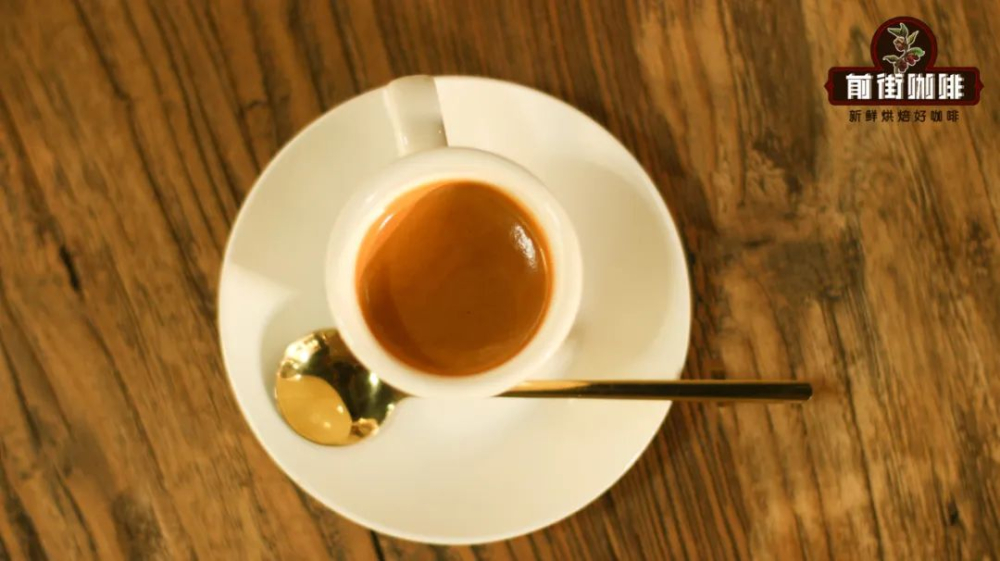
The aroma of espresso isn’t as immediately diffusive as that of pour over coffee—it’s more restrained. Therefore, you need to intentionally bring your nose close to the cup rim to catch its delicate fragrance. This step is crucial to overall tasting, as aroma is often the first impression that determines whether you enjoy the cup.
Espressos made with traditional dark-roast beans often emit rich notes of nuts, dark chocolate, and creamy textures, some even layered with complex hints of caramel or roasted tones, reminiscent of desserts like Oreo cookies or buttery cakes. In contrast, espressos from light-roast beans showcase more refreshing floral and fruity notes, with bright acidity and a livelier aromatic profile, ideal for those who prefer a lighter, fresher taste.
[Taste: Transition from Bitterness to Aftertaste]
When trying espresso for the first time, many people only perceive intense burnt bitterness and sharpness. But with careful attention, you can discover a wealth of hidden flavors underneath. With patient sipping, you may notice layers of nutty, dark chocolate, and caramel notes unfurling on your palate. More importantly, after swallowing, a lasting sweetness often remains on the tongue—this is what we call the aftertaste, and it’s one of the key indicators of a good espresso.
Overall, the flavor of espresso is like a “vibrant black”—intense on the surface, yet richly layered within. With mindful tasting, it can definitely offer delightful surprises.
[Proper Drinking Process: From Ice Water to Mouth Breathing]
To fully experience the charm of espresso, follow these suggested steps: First, take a sip of the accompanying ice water to cleanse your palate and prepare your taste buds. Then, use a spoon (or gently swirl the cup) to mix the crema and liquid on the surface moderately, ensuring the oils and coffee flavors blend evenly.
Next, bring your nose close to the cup and deeply inhale the aroma, then take a big sip to let the coffee and crema cover your tongue together, experiencing the interplay of texture and flavor. Finally, after swallowing, exhale slowly with your mouth closed—this helps you clearly perceive the lingering aftertaste and aroma, capturing the full flavor profile of the espresso.
[Best Timing to Taste: The Golden 25 Seconds]
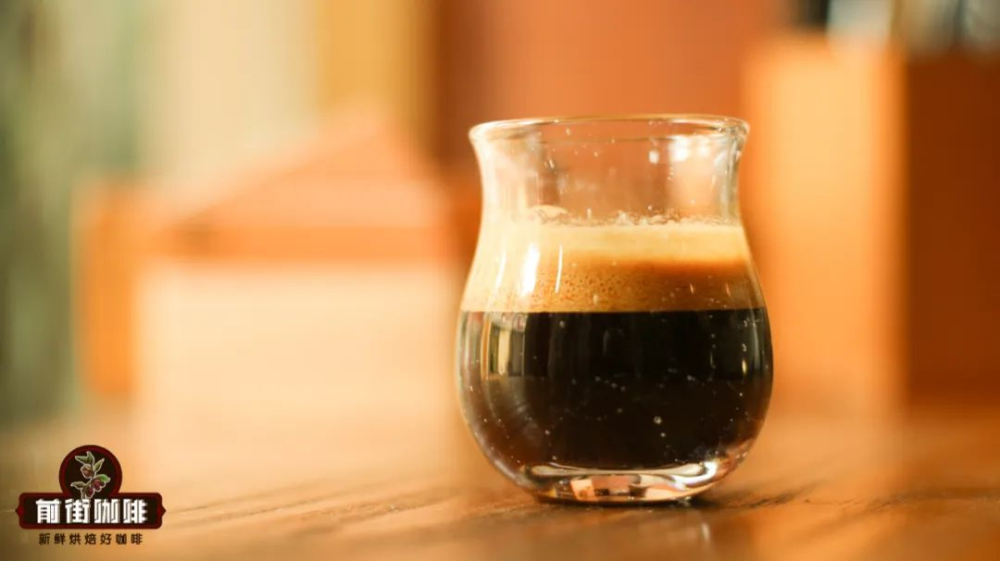
It’s important to note that the optimal time to taste espresso is within **25 seconds** after extraction. During this period, the aroma is most vibrant and the crema is at its best. After this window, the aroma gradually fades, the crema begins to collapse, and the coffee’s acidity may become more pronounced or even harsh, significantly diminishing the overall flavor. So be sure to seize this brief golden window to fully experience the essence of espresso.
The above content is compiled by CoffeeHunters, a coffee news website.


