







Introduction:In the face of price competition from chain brands offering drinks at just 9.9 RMB, how can independent coffee shops maintain operations without compromising quality? This article analyzes cost structures and draws on real-world business cases to delve into key issues such as store positioning, product differentiation, and customer retention. It provides a practical break-even strategy to help industry players carve out a niche in this fiercely competitive market.
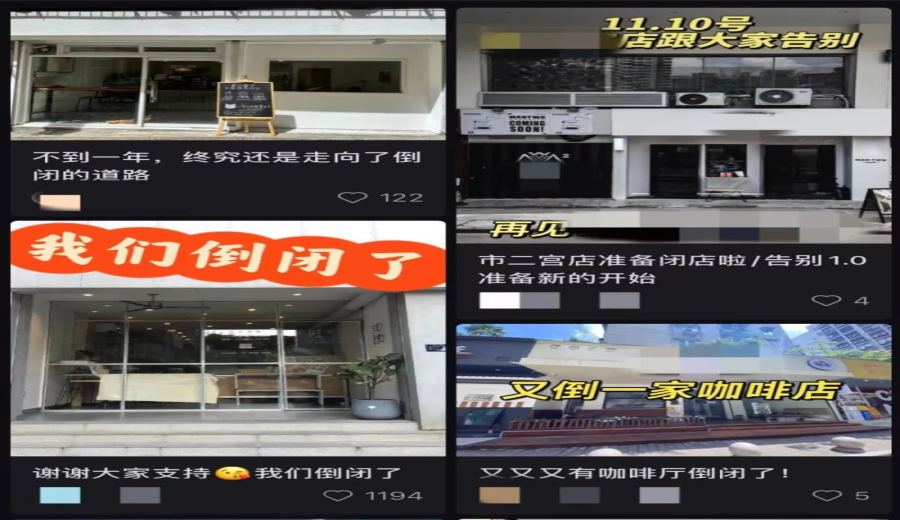
As the price war between Luckin and Cotti Coffee continues with their 9.9 RMB promotions, the entire retail coffee market is undergoing an unprecedented shake-up. Industry observers note that in 2023 alone, over 40,000 coffee shops closed down, with a significant proportion being independently owned small and medium-sized businesses. A Shanghai-based barista admitted that even though monthly takeout orders had increased by tens of thousands of RMB, it was still not enough to offset the soaring costs of ingredients and labor. This "seeing revenue but not profit" dilemma has become a common reality in the industry.
In this survival race, many shop owners face a difficult choice: maintaining current pricing leads to ongoing cash flow strain, while sudden price hikes may drive customers away. Notably, the choice between semi-automatic and fully automatic coffee machines not only affects service efficiency but also directly impacts the consistency of coffee flavor — a key factor in building customer trust. In practice, it’s recommended to calculate the ingredient cost per drink using a budget sheet (typically keeping it under 30% of the selling price) and reserve 15% as a buffer for adjustments.
Successful case studies show that clear market positioning is crucial. Start with an analysis of the commercial area’s characteristics — for example, shops in office districts should emphasize takeout convenience and ready-to-drink options, while those in residential areas should focus on comfort and customer dwell time. For product strategy, using single-origin specialty beans for pour over series (with medium-light to medium roast recommended) and pairing them with homemade syrups or seasonal specials can effectively differentiate from the standardized offerings of chain brands. For interior design, elements like partial green walls or vintage furniture can create a unique atmosphere, but ensure the layout remains smooth and functional.
Customer relationship management should begin with the first purchase experience. It’s recommended to offer bundled deals like “drink + baked snack” (e.g., buy-one-get-one-free trial coupons), and establish a membership points system to track customer preferences. For online presence, in addition to regular exposure on delivery platforms, more effort should be put into social media content — filming short videos of the coffee-making process (ideally 15–30 seconds long) or sharing stories about the origin of the roasted beans can help deepen brand awareness. Special attention should be paid to limiting promotional activities to 1–2 times per month to avoid conditioning customers to “wait for discounts.”
Cost control needs to be meticulous, right down to individual consumable purchasing decisions. For example, milk selection should be adjusted based on the product mix: fresh milk is suitable for lattes but has a short shelf life, while UHT milk may help with inventory management but could affect latte art quality. For staffing, a flexible shift system during peak hours is advised — reducing full-time employees on regular days and supplementing with part-timers to meet service demands. For shops unable to afford professional roasting equipment, consider establishing stable supply partnerships with local roasters to ensure bean freshness while sharing storage costs.
Building differentiated operational capabilities requires long-term investment. Regularly hosting coffee tasting events or latte art workshops (recommended 1–2 times per quarter) not only strengthens customer loyalty but also gathers firsthand market feedback. For product development, start with classic offerings and introduce minor innovations — for example, adjusting the saltiness ratio in sea salt caramel lattes or adding seasonal fruits to cold drip coffee. Such incremental changes are more likely to be well-received by the market. Most importantly, keep financial data under real-time review: check the gross margin of each menu item weekly, conduct overall profit and loss analysis monthly, and adjust business strategies promptly.
The above content is compiled by CoffeeHunters, a coffee news website.


