







Introduction:Using single-origin pour-over beans to make espresso—commonly referred to as SOE (Single Origin Espresso)—is possible but comes with notable challenges. This is especially true for medium to light roasted single-origin beans: if you don’t correctly adjust the grind size, dose, and extraction parameters, you can easily run into channeling, excessive acidity, or spritzing issues, potentially wasting an entire bag of beans. This article will delve into how to fine-tune your extraction settings so you can produce balanced, smooth espresso even with minimal single-origin beans, and we’ll also explore how these espressos perform in both Americano and milk-based drinks.
Have you ever wondered whether the single-origin beans you love for pour-over could also be used to make a shot of espresso? The answer is yes—this approach is typically called SOE (Single Origin Espresso), meaning using single-origin beans to brew espresso. However, compared to commercial espresso blends, medium to light roasted single-origin beans present significantly more challenges when it comes to espresso extraction. Not only are they prone to uneven extraction and channeling, but their bright acidity can also overwhelm the cup, making the coffee hard to enjoy. In some cases, a whole 227-gram bag might only yield one decent shot.
Many coffee enthusiasts underestimate the difficulty when trying this for the first time. Especially if you’re using a medium to light roasted, flavor-rich single-origin bean rather than a common dark, bold roast, just adjusting the grind size and dose can feel daunting. Without precise control over extraction parameters, you might end up wasting a bag of beans just to get a sour, astringent, or bland shot. So, what’s the right way to adjust your setup to brew a balanced espresso using single-origin beans?
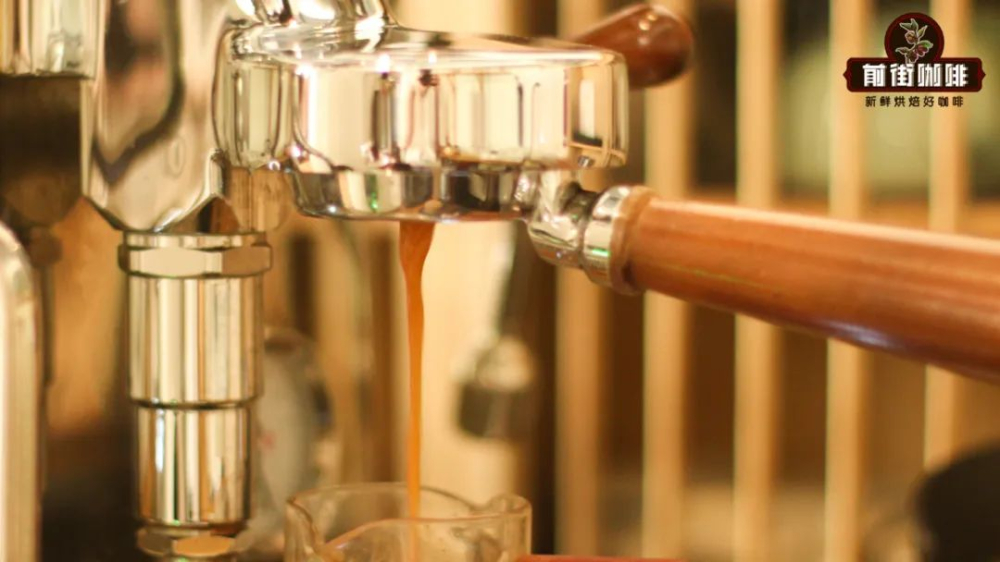
First, we can set basic extraction parameters within a relatively safe range: a brew ratio of 1:2 is recommended, and extraction time should be kept between 25 to 35 seconds. This setup works well for most roast levels, whether dark or medium to light, effectively reducing the risks of under-extraction or over-extraction. Within this foundational framework, you can then fine-tune based on the actual flavors you achieve to gradually approach your desired taste profile.
Next, the most critical step isgrind size adjustment. Many people, when switching from dark-roast espresso beans to medium to light roasted single-origin beans, tend to stick with their usual grind settings—and end up with extraction that’s too fast, where the coffee pours out in under 10 seconds, resulting in what’s known as “spritzing.” This happens because medium to light roasted beans are denser and less roasted, releasing significantly less CO₂ during extraction. This reduces the resistance of the coffee bed, allowing water to pass through too easily, which leads to under-extracted, thin, and overly acidic shots.
To solve this issue, the first priority is to make your grind finer. Take a common grinder like the Galileo Q18 as an example: if you were previously using medium to dark roasted blends and now switch to medium to light single-origin beans, you’ll usually need to adjust the grind setting at least two notches finer. If you’re switching directly from dark roast to medium to light roast, you may need to adjust by four notches or more. After adjusting, be sure to observe the extraction time and fine-tune the grind incrementally based on actual flow rate until the shot time falls within the ideal 25–35 second range.
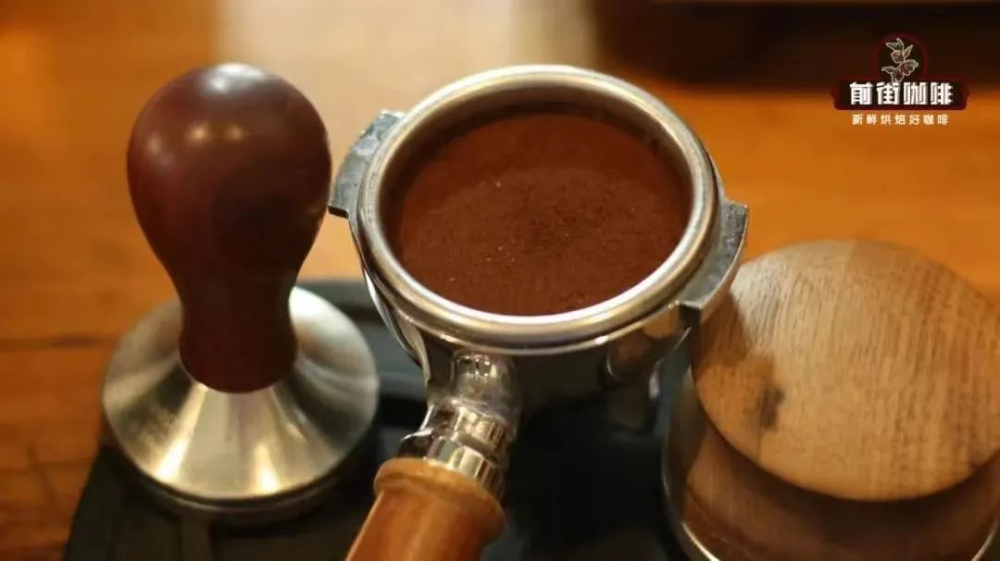
Another commonly overlooked yet equally important parameter isdose weight. When you make the grind finer, the individual particles of medium to light roasted beans become smaller, meaning the same gram weight takes up less physical space than with dark roast beans. This increases the distance between the coffee puck and the shower screen, which can cause water channeling and uneven extraction. Moreover, a thinner puck may also shorten the brew time, leading to over-extraction or incomplete flavor development.
The solution is to moderately increase the dose. Due to the finer grind, even using slightly more coffee than the basket's recommended capacity is unlikely to clog. For instance, if your usual dark roast dose fills the basket ring to 20 grams, when switching to medium to light roast beans, try increasing to 21 grams. This helps create a firmer puck with better thickness, contributing to more stable flow rate and pressure distribution.
Once you've adjusted the grind size and dose and the overall parameters fall within a reasonable extraction range, but you still notice significant negative flavors—like excessive acidity, astringency, or overpowering single notes—you can further fine-tune the dose, final yield, or even experiment with brew pressure to find the optimal combination for that particular bean. Of course, if you're just exploring the experience of SOE extraction, you can skip this step depending on your preference.
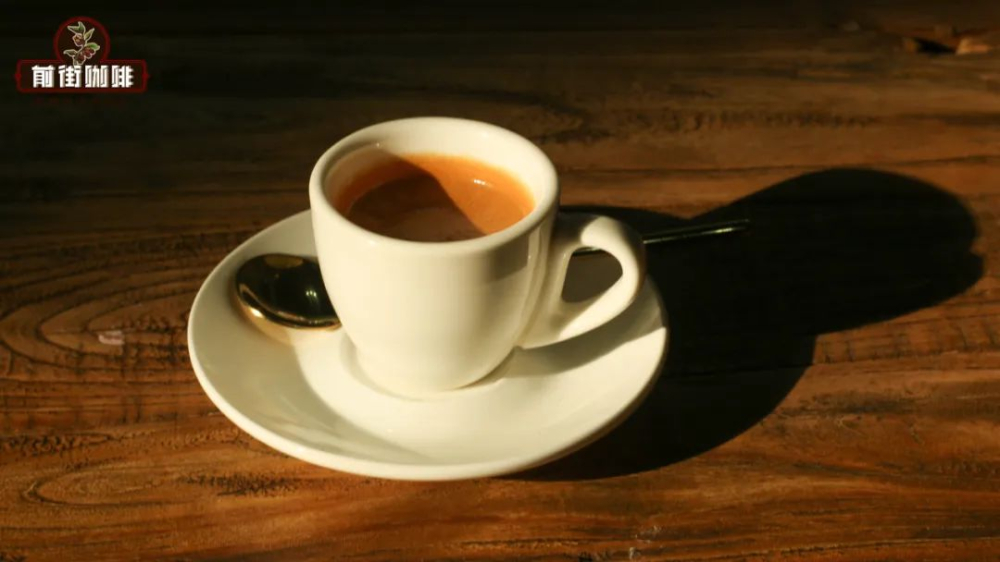
So, what does espresso made from single-origin beans actually taste like? Generally speaking, medium to light roasted single-origin beans retain more acidity and fruity or floral characteristics. When brewed as espresso, their acidity tends to be particularly pronounced, and the crema is usually thinner compared to that from dark roast beans. This type of espresso may not suit everyone’s palate, but it works excellently in Americanos, showcasing bright acidity, a refreshing mouthfeel, and sweet notes in the mid-to-late finish—especially with light-roasted beans featuring floral notes, which can deliver rich complexity and nuance.

However, if you’re aiming to use single-origin beans for milk-based drinks, extra caution is needed. Medium to light roasted beans often emphasize acidity and fruit or floral notes. These traits either get completely masked by milk (which can actually make the drink taste smoother and more approachable for non-coffee drinkers), or they clash with the milk, creating an unbalanced flavor profile or even an odd yogurt-like taste. Therefore, if you’re a fan of milk coffee, it’s advisable to choose single-origin beans processed with anaerobic fermentation or other special methods that offer more concentrated and distinct flavors—these beans can still maintain a clear profile and layered taste even when combined with milk.
In summary, using pour-over single-origin beans to make espresso—also known as SOE brewing—is a rewarding challenge worth trying. By mastering key parameters such as grind size, dose, and basic extraction time, you can produce unique and balanced espresso even with a small amount of single-origin beans. It’s recommended to record your parameters after each adjustment. When you encounter similar beans in the future, you can quickly apply your past experience and then fine-tune as needed.
The above content is compiled by CoffeeHunters, a coffee news website.


