








Introduction:Want to make your pour over coffee taste sweeter and smoother? This article will delve into how to adjust grind size, water temperature, pouring flow rate, and extraction rhythm to bring out the rich sweetness in medium to light roasted coffee. For more delicate medium to dark roast beans, we also provide a practical “high concentration, low extraction” approach, paired with the Kono filter cone and a simple one-pour technique, to effortlessly reduce bitterness and highlight sweet undertones. The article also retains advanced brewing methods like variable temperature brewing for those who wish to explore further.
Most of the natural sugars in coffee beans are transformed into other compounds during roasting. The limited amount of sweet molecules that remain can easily be masked by tannins or burnt, bitter substances. However, by adjusting your brewing strategy and reducing the proportion of bitter compounds extracted, you can let the sweetness naturally come forward. To further enhance the perception of sweetness, the key lies in precise control of extraction parameters—especially using differentiated approaches tailored to beans of different roast levels.

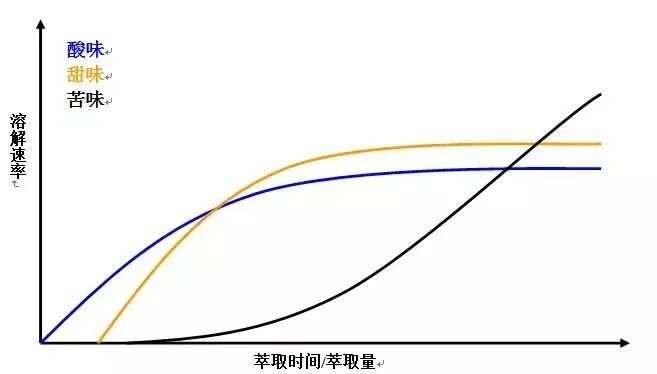
Many coffee enthusiasts often ask: can pour over coffee yield noticeable sweetness? The answer is yes—but it’s important to understand the underlying logic behind how sweetness is released. The sweet-tasting compounds generated during roasting are mostly extracted during the mid-to-late stages. If you use only conventional brewing methods, you’ll often end up with a drink where acidity and bitterness are out of balance. By employing an all-stage extraction strategy, you can achieve a balanced acidity and bitterness while making sweetness the star of the cup. The popular four-word mantra “fine grind, large dose, fast pour” online is actually a classic method to realize this goal.
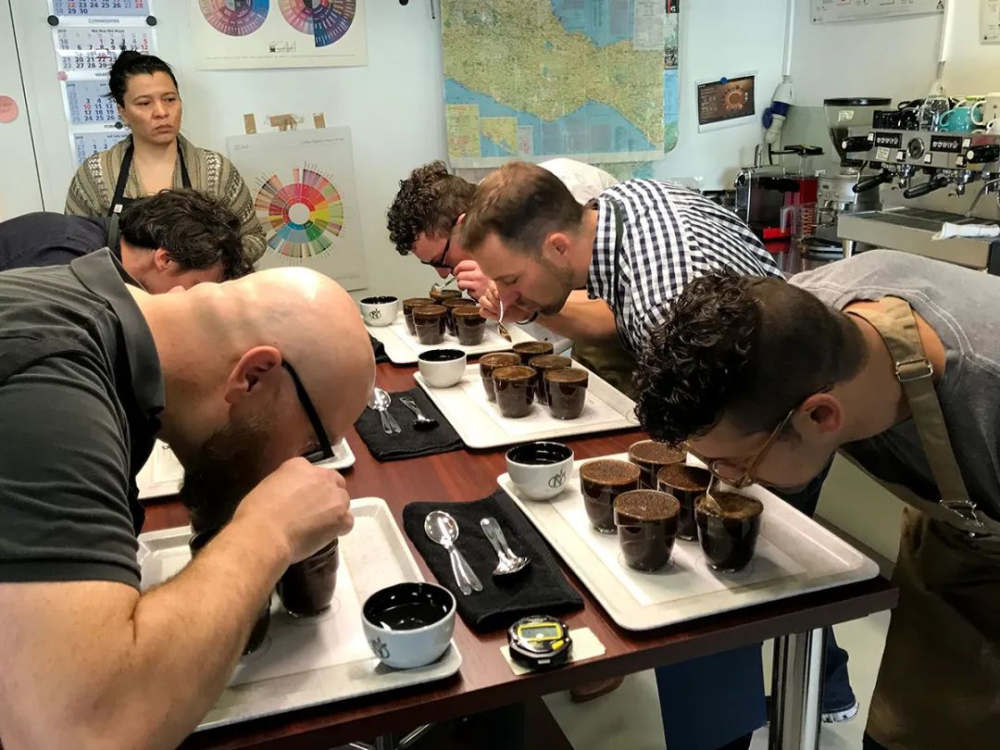
This method is especially well suited for medium to light roasted coffee beans. The so-called “fine grind, large dose, fast pour” involves four key adjustments: first, adjust the grind to a finer setting. Taking the EK43 grinder as an example, you can slightly adjust the usual 10 setting to 9.5. This change significantly increases the total surface area of the coffee grounds, allowing hot water to penetrate the internal fiber structure more quickly,accelerating the efficiency of flavor compound extraction.
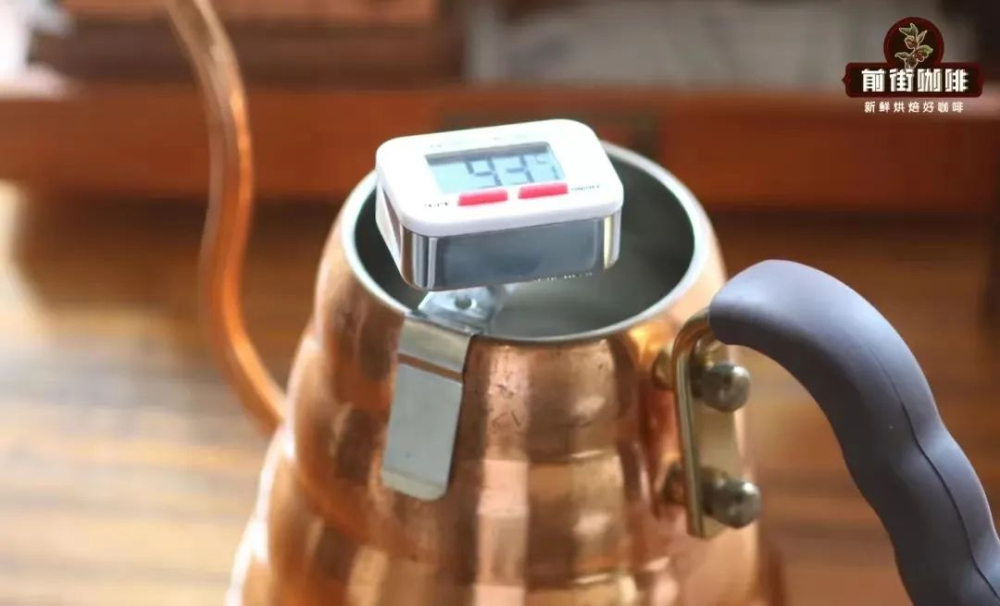
The second step is to increase the water temperature, recommended to be raised from the usual 92°C to 94°C. A higher temperature enhances extraction efficiency during the bloom phase, ensuring that soluble substances from both the surface and interior of the coffee grounds are released simultaneously. In subsequent pours, the hot water can more effectively carry out aromatic compounds, laying the foundation for overall flavor.
The third element is a high-flow pouring technique. Using a three-stage pour (for 15g of coffee, with a 1:16 coffee-to-water ratio, the segmented water amounts are 40g, 120g, and 80g), each stage uses a strong flow rate to impact the coffee bed.A stronger flow can open up the coffee bed structure, increasing the contact area between water and coffee grounds, prompting acid and sweet compounds to dissolve out rapidly in a short period. Combined with a V60 filter cone, which has an internal flow guide design, this helps accelerate drainage and avoid over-extraction.

Finally, shorten the overall extraction time. The combination of a high-flow pour and an efficient filter cone results in a brew time that is noticeably shorter than traditional methods alternating between large and small flows. This control ensures thatthe sweetness is fully released while effectively suppressing the extraction of bitter and astringent substances. When done correctly, the final cup will exhibit a brighter and more pronounced sweetness compared to your everyday brews.
For medium to dark roasted coffee beans, due to their looser structure and inability to withstand intense extraction pressure, it’s recommended to instead use a “high concentration, low extraction” strategy. The specific parameters are: 15g of coffee, grind setting adjusted to 10.5 on the EK43 (approximately 75% passing through a #20 sieve), tightening the coffee-to-water ratio to 1:13, lowering the water temperature to 88°C, and using a Kono filter cone.

The brewing technique employs a simple one-pour method: start by pouring 30ml of hot water for a 30-second bloom, then slowly circle pour the remaining 165ml of water from the center of the coffee bed with a gentle hand. This approach increases coffee concentration while lowering the overall extraction rate, effectively reducing the release of bitter compounds in the later stages,making the sweetness more concentrated and mellow.
The techniques introduced in this article are just basic applications of the principles behind enhancing sweetness. Advanced brewers can try special methods like variable temperature brewing, adjusting water temperature at different brewing stages to further balance acidity and bitterness. Remember, the charm of pour over coffee lies in exploration—don’t hesitate to experiment with different parameter combinations to find the sweet profile that best suits your personal taste preferences.
The above content is compiled by CoffeeHunters, a coffee news website.


