







Introduction:What happens when a business refuses a commercial photography request, only to be retaliated against with a malicious review calling it “dirty stuff”? This case study meticulously documents how a coffee shop used surveillance footage to uncover the truth: a customer staged the act of putting an unidentified object into their drink, exposing the abuse of the review system. The article provides specific measures for shops to prevent conflicts over commercial shoots and analyzes the balance of rights and responsibilities between consumers and business owners, helping readers understand reasonable ways to handle similar disputes.
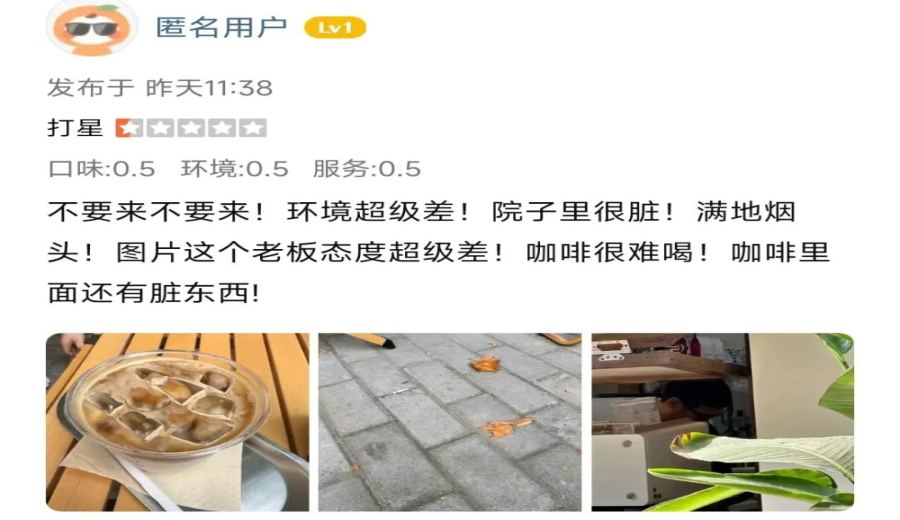
Modern consumers are accustomed to previewing business reviews through rating platforms, but the scoring system can occasionally become a tool for malicious attacks. Recently, the owner of a coffee shop publicly shared a unique case: after refusing a customer’s request for commercial photography, they were hit with an extremely low-score review accusing the coffee of containing “dirty filth,” until surveillance footage revealed the full truth of the incident.
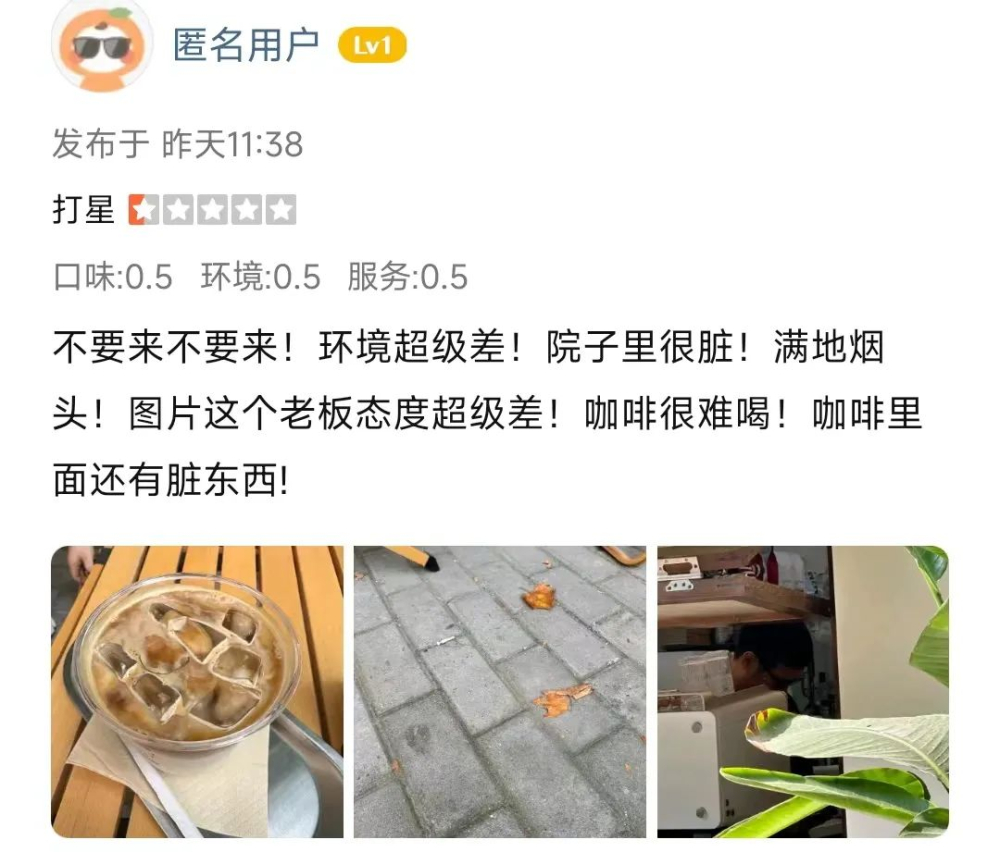
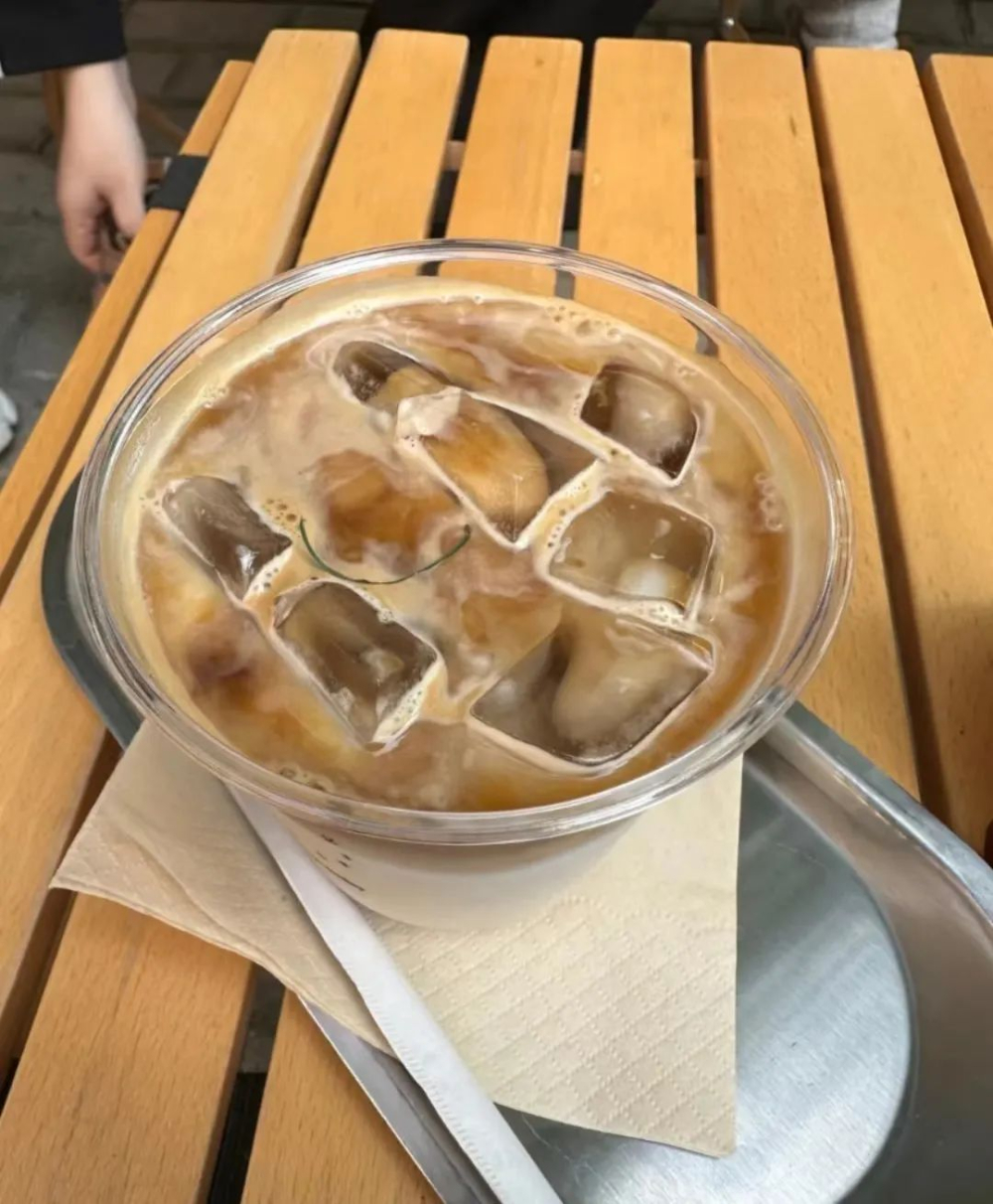
The shop received a harsh 0.5-star review on a popular review platform, where the anonymous commenter described the environment as dirty and the service attitude as terrible, attaching a photo of the coffee claiming to have found a foreign object. The blurry image showed green fibrous material floating on top of ice cubes, resembling plant residue. However, after reviewing in-store surveillance, the owner discovered that the so-called “contaminated drink” was actually a staged prop placed by the customer themselves.
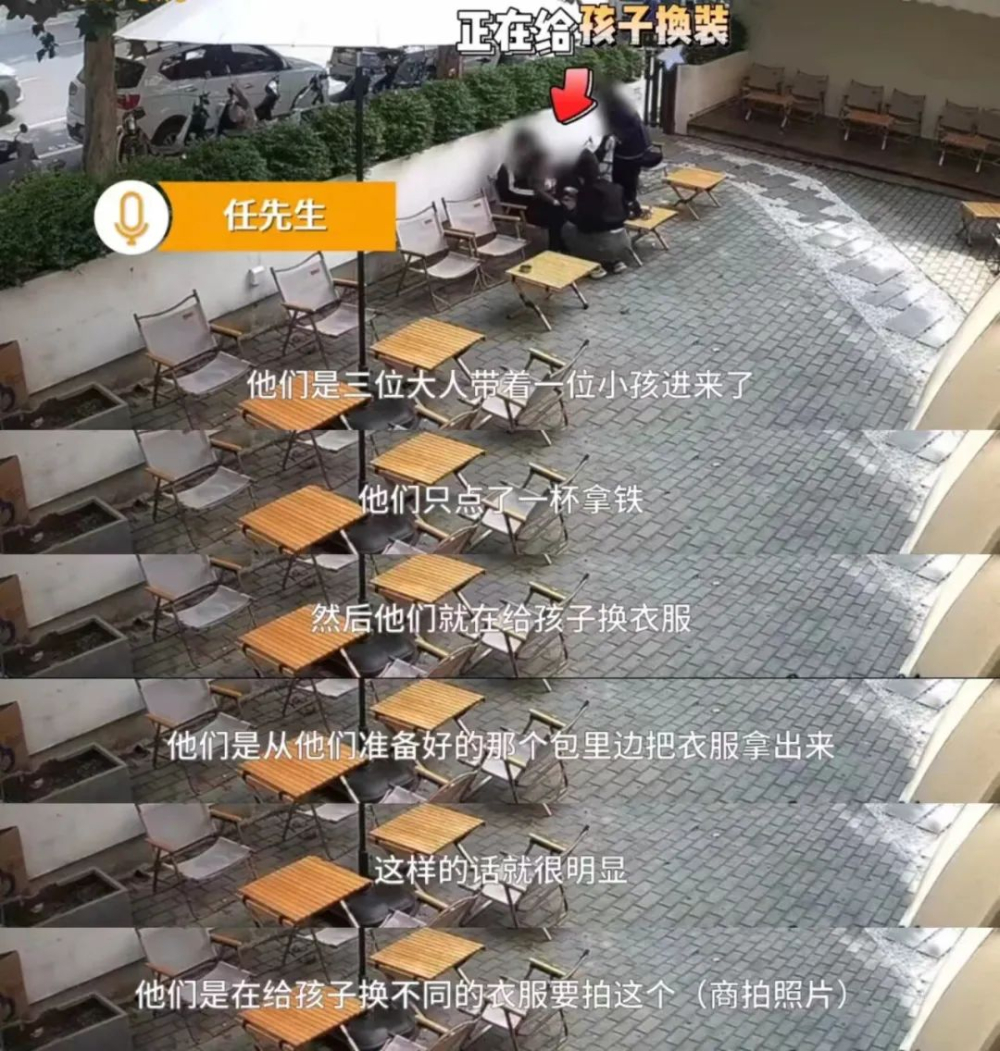
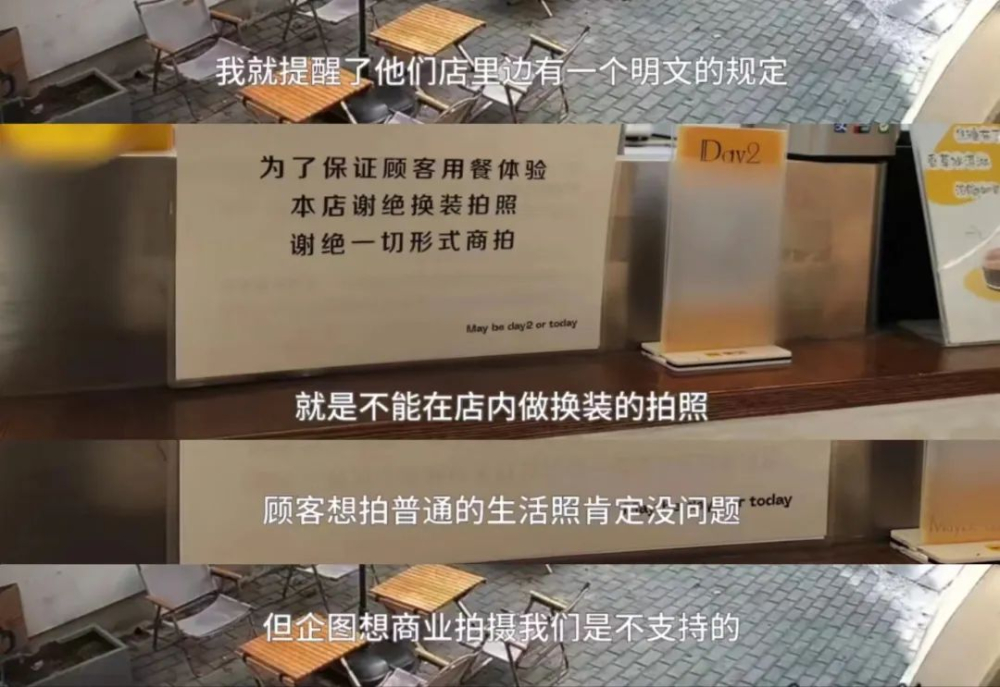
According to the shop owner, three adults and one child entered the store, ordered just one latte, yet repeatedly requested to change clothes. This behavior clearly violated the shop’s clearly stated policy — “To ensure the experience of all customers, this shop prohibits any commercial photography activities, including clothing changes for photos.” Although the staff politely informed the customers of the rules, the customers insisted on continuing the photoshoot.
The turning point came in the details just before the customers left: high-definition surveillance footage clearly captured one of them picking up some fibrous material from the floor and deliberately placing it into the untouched latte, then taking photos of the “evidence of contamination” from a specific angle. Notably, aside from the suspicious object at the top of the cup, the rest of the drink remained undisturbed, showing that the customers had no intention of actually drinking it.
With solid evidence in hand, the shop owner responded rationally in the public comments section: “We kindly ask you to immediately retract the false accusation. We have complete surveillance records as legal evidence. The online space also requires the principle of honesty — please post reviews in good faith.” This incident sparked heated discussion among netizens, with most users supporting the shop’s stance, emphasizing that “when dealing with unreasonable customers, surveillance is the best defense.”
Analyzing this type of dispute in depth, professionals point out two key principles for handling it: first, coffee shops should post clear notices about commercial photography restrictions in prominent locations, using clear wording such as “This shop prioritizes the experience of regular customers and does not allow clothing changes or commercial photography”; second, when facing similar accusations, it’s essential to maintain the integrity of surveillance data, but responses should avoid direct accusations, opting instead for softer language such as “Please provide proof of actual purchase.”
After the incident, the shop owner posted a statement on social media, calling on everyone to understand the importance of “putting themselves in others’ shoes”: “Spreading rumors takes only a moment, but clarifying the facts takes a lot of effort. We hope every consumer can respect the shop’s rules and work together to maintain a good business environment.” This incident also reminds the industry that reasonably regulating commercial photography has become an essential lesson for modern café management.
Further observation reveals that independent coffee shops around the world commonly implement measures to control commercial photography. Common practices include designating photography areas, charging cleaning deposits, and requiring advance notification of shooting plans. For consumers, if there is a genuine need for commercial photography, it is recommended to communicate with the shop in advance regarding shooting times, limits on the number of people, and the scope of venue usage to avoid unnecessary conflicts due to misunderstandings.
This case ultimately highlights the dual nature of the review mechanism in the digital age — it is an important reference for consumers, but can also become a tool of retaliation for a few. Experts suggest that shops regularly review comment content, retain the right to pursue legal action against clearly false accusations, and continue to optimize service processes to reduce the likelihood of misunderstandings.
The above content is compiled by CoffeeHunters, a coffee news website.


