







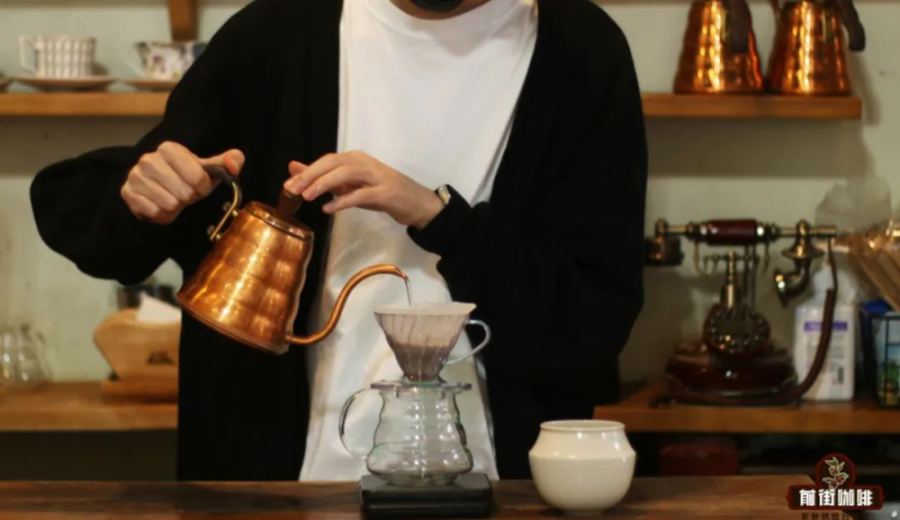
Introduction:When temperatures drop, pour over coffee often faces issues such as water temperature loss, under-extraction, and static interference, resulting in flavor profiles that fall short of expectations. This article delves into how to stabilize winter pour over extraction by precisely adjusting water temperature, refining the brewing equipment preheating process, and effectively managing static electricity—ensuring every cup showcases the intended layers and richness.
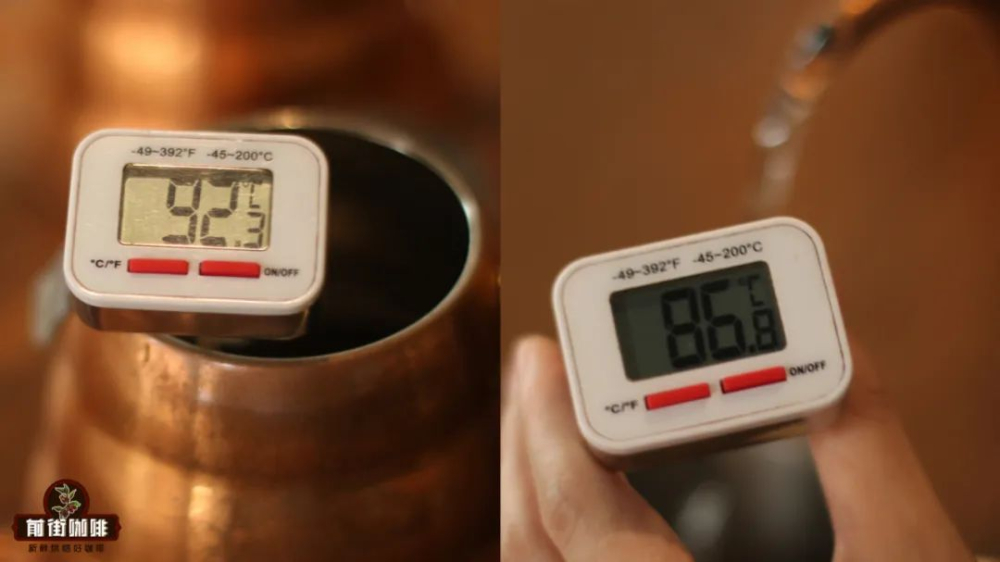
As cold fronts arrive, the extraction conditions for pour over coffee also change. The originally set 92°C water temperature may, due to low ambient temperatures and air convection, drop to around 87°C by the time it hits the coffee grounds, leading to incomplete extraction and a thin flavor. Continuing to use the same parameters could easily cause the coffee to lose its intended richness and delicate mouthfeel. To improve this situation, adjustments need to be made in three areas: fine-tuning water temperature, preheating brewing equipment, and controlling static electricity, in order to ensure stable performance in every pour over cup.
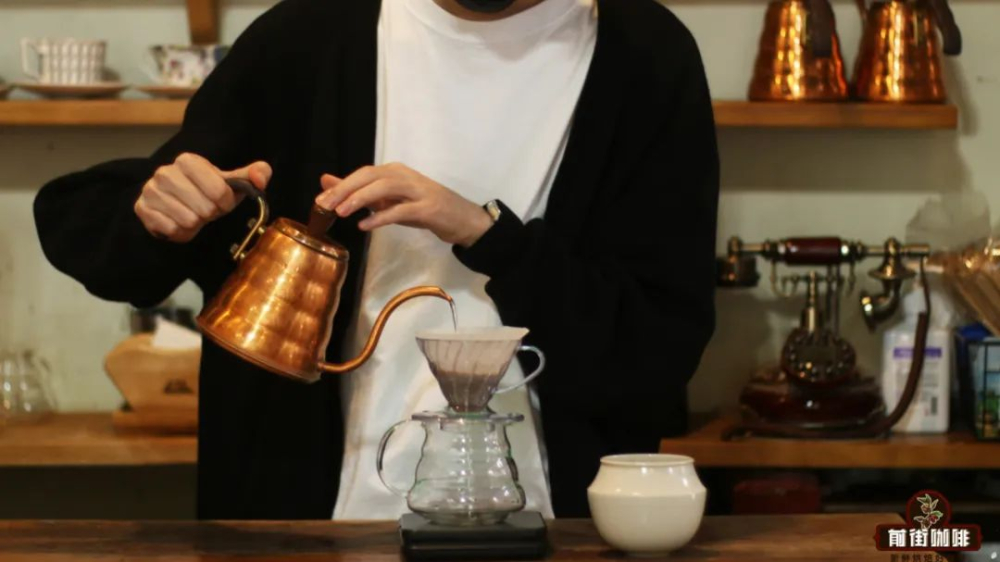
First, it is recommended to moderately increase the pour over water temperature in cold weather1~2°Cto compensate for heat lost to the air. For example, if you usually use 92°C water, you can try adjusting it to 93–94°C to ensure the water still has enough heat to effectively extract flavors when it flows onto the coffee bed. Another simple method is to lower the height of the water stream during pouring, reducing the distance hot water travels through cold air and further minimizing heat loss, which helps maintain stable extraction performance.
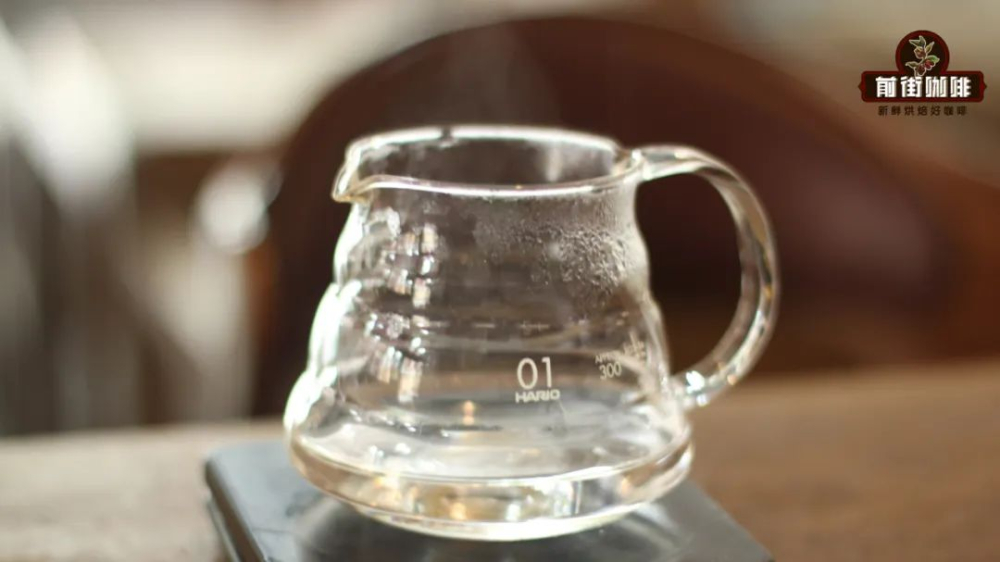
In addition to adjusting water temperature, preheating your coffee equipment is another crucial step that should not be overlooked.An unpreheated servercan cause the coffee liquid temperature to rapidly drop from above 90°C to around 69°C when it is poured in, due to heat absorption by metal or ceramic materials—impacting flavor expression and the continuity of mouthfeel. If you thoroughly preheat the server and filter cone with hot water before brewing, the coffee liquid temperature can be maintained at around75°C, slowing down the cooling process and allowing the coffee’s aroma and layers more time to fully develop.
The preheating process is recommended as follows: rinse the server and filter cone with hot water, let it sit for about 30 seconds, then discard the hot water before beginning the brew. This action not only raises the temperature of the equipment but also helps the filter paper adhere better to the filter cone, preventing coffee grounds from leaking or channeling effects. This step is especially important for maintaining extraction stability in high-altitude or low-temperature regions.
Low temperatures can also lead to another common issue—static electricity. The colder the weather, the more likely coffee grounds are to generate static through friction during grinding, causing clumping or adherence to the grinder’s interior and the output chute. This not only affects the evenness of the coffee bed but may also result in discrepancies between the actual amount of coffee used and the ground output—for example, putting in 15 grams of beans but ending up with less than 15 grams of ground coffee, possibly due to static cling.
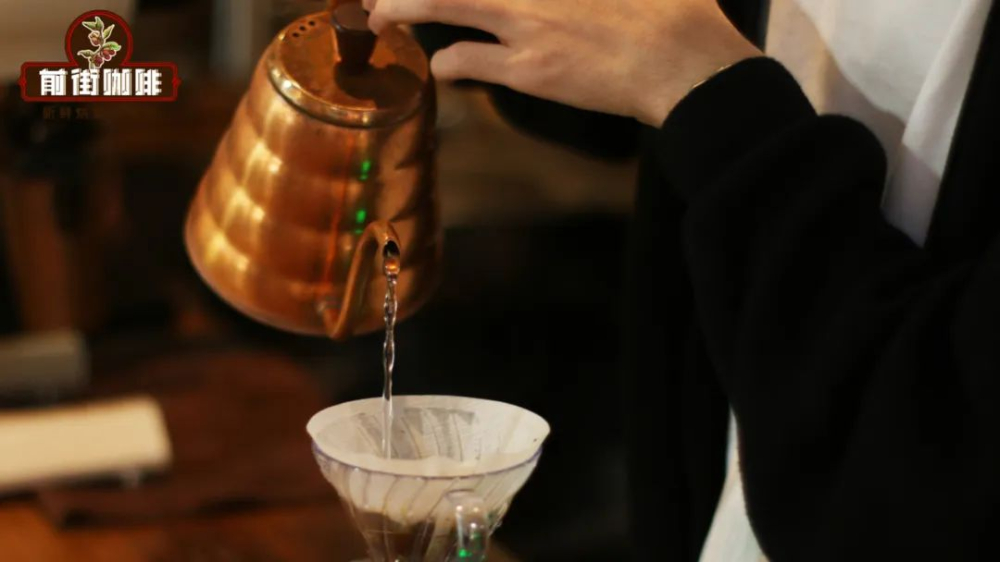
To address static issues, you can use a distribution tool or a thin implement to gently stir the coffee bed after grinding, breaking up clumps and ensuring smooth water flow. Additionally, using an air blower (such as a small dust blower or a blow ball) to remove fine coffee particles stuck at the grinder’s outlet helps ensure accurate dosing, thereby maintaining the correct extraction ratio. These small techniques can effectively mitigate uneven extraction caused by static, leading to more balanced flavors in every pour over cup.
If your pour over kettle lacks temperature control, it’s advisable to pour a bit more hot water before starting and use the thermal mass of the water inside the kettle to slow down cooling. For users with temperature-controlled kettles, you can return the kettle to its warming base during the bloom period or while waiting for the coffee grounds to absorb water, helping retain heat and prevent temperature loss—ensuring the entire extraction process remains within the ideal temperature range.
By combining these methods—from fine-tuning water temperature and preheating equipment to managing static electricity—each step plays a key role in the quality of winter pour over coffee. Mastering these details allows you to consistently brew flavorful, layered pour over coffee even in colder seasons, savoring every warm and delicate sip.
The above content is compiled by CoffeeHunters, a coffee news website.


