








Introduction:From the standard 300ml cup evolving to 1.5-liter shareable sizes, and even the emergence of 1500ml basin-sized iced Americanos, this trend of oversized coffee portions reflects the modern workforce's need for energy boosts and the resulting health paradox. This article delves into the parameter differences across various large-capacity coffees, explores the potential impacts of long-term high intake on palpitations and sleep, and provides expert advice to help readers balance alertness with physical well-being.
Global coffee consumption trends show that iced Americano has become a daily essential for many office workers. Observing market evolution, beverage sizes have gradually expanded from the early standard 300ml format to 1-liter "ton-ton bucket" designs, and more recently to the astonishing 1500ml basin-sized iced Americano in Shanghai. This capacity breakthrough not only creates a strong visual impression but also forms a unique workplace cultural phenomenon.
Looking back at the development trajectory, the once-popular extra-large iced coffee in the Korean market drew attention from domestic consumers. Nowadays, local brands are actively following suit, including products like 1.5-liter portable shareable sizes, as well as the 2.1-liter ultra-high-capacity coffee liquid developed by the Korean brand onlyprice. These products, with their surprising capacities and relatively affordable unit prices, quickly became viral topics on social media.

From a consumer psychology perspective, oversized packaging holds dual appeal: the intuitive sense of concentrated coffee volume creates a perception of value, while also meeting modern individuals' demand for efficiency. Actual measurements show that a 1500ml serving is roughly equivalent to the total amount of seven standard cups of coffee, and its total caffeine intake may exceed daily safety thresholds. Notably, individual differences in caffeine metabolism are significant, and it is generally recommended that healthy adults consume no more than 400mg of caffeine per day.
Industry observers note that this capacity competition stems from changes in workplace culture. Many office workers view large-capacity coffee as a "lifeline tool," especially in high-intensity work environments. Real-life cases show that some users treat 1.5-liter products as energy refueling for "all-night operations," but nutrition experts warn that such drinking habits may lead to side effects like palpitations and insomnia, with particularly pronounced impacts on those sensitive to caffeine.
From a product design standpoint, the unique container choice of the 1500ml basin-sized coffee carries marketing intent. The wide-mouth design not only enhances visual impact but also implies an easy "drink-like-water" consumption method, which may, however, reduce consumers' awareness of the actual caffeine content.Professional advice: each intake should not exceed 200–300mg of caffeine, equivalent to the amount in 2–3 standard Americanos.
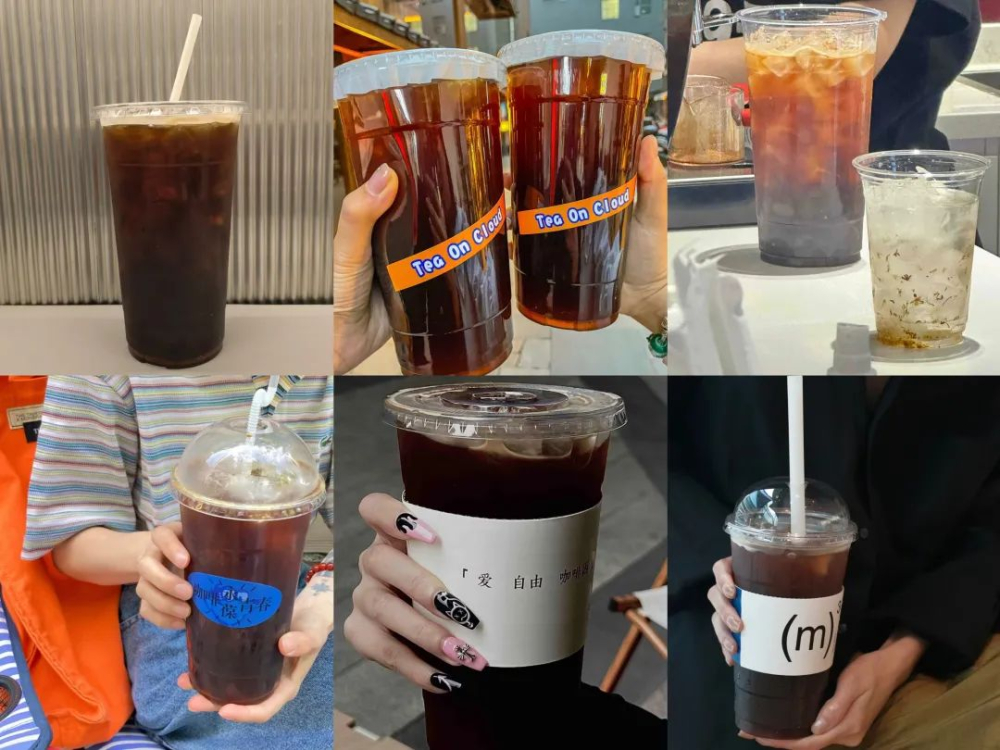
The development of the ready-to-drink coffee market is also noteworthy. The 2.1-liter coffee liquid product launched by the Korean brand could theoretically meet all-day alertness needs, but dietitians warn that continuous high-dose intake may disrupt normal sleep cycles. Actual test data indicates that consuming over 800mg of caffeine for three consecutive days may lead to a more than 40% decline in sleep quality.
For professionals who frequently need a boost, experts recommend adopting a strategy of divided intake—choosing medium-to-low concentration coffee paired with appropriate breaks. Observing market responses, some consumers have already begun adjusting their drinking habits, opting for medium-sized cups around 500ml as their daily choice, seeking a balance between alertness and physical burden.
This trend of oversized coffee reflects the tug-of-war between modern workplace culture and health consciousness. While large-capacity products offer convenient alertness solutions, consumers should fully understand their personal tolerance limits and achieve optimal benefits through scientifically mindful intake. Professional bodies recommend regularly assessing one’s reaction to caffeine and, when necessary, choosing decaf or caffeine-free alternatives to maintain work performance.
The above content is compiled by CoffeeHunters, a coffee news website.


