







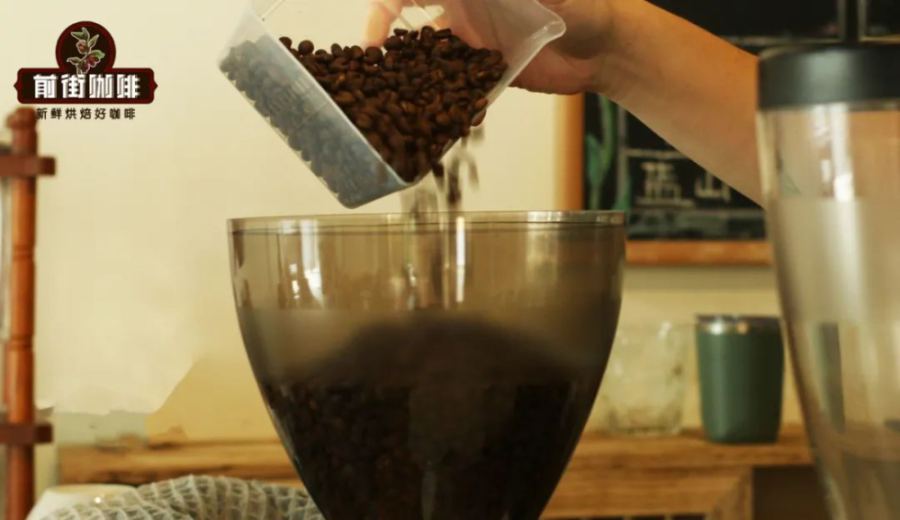
Introduction:Many baristas recommend filling the grinder bean hopper nearly to the top, but did you know there’s actually scientific reasoning behind this? This article delves into the "hopper pressure" effect inside the bean hopper, explaining how it influences grind uniformity and ultimately the flavor of your coffee. Through practical extraction data comparing full and low-bean hoppers, we help you find the bean management approach that suits you best.
When crafting a high-quality espresso, many professional baristas emphasize keeping the grinder’s bean hopper close to full. This requirement stems from rigorous considerations for grind quality and extraction stability. But what is it about the amount of beans in the hopper that makes it such an important factor in coffee flavor? This article starts with the internal structure of the grinder, analyzing how hopper pressure affects grind uniformity, and takes you through how these details reflect in the actual performance of the espresso.
If you’ve ever stepped into a specialty coffee shop or watched a barista operate a grinder, you might have noticed their tendency to keep the coffee beans in the hopper at a high level — that is, nearly full. This habit isn’t accidental, but closely related to the "hopper pressure" generated during the grinder’s operation. So, what exactly is hopper pressure, and how does it influence the cup of espresso we enjoy every day?
What is "hopper pressure" in a coffee grinder?
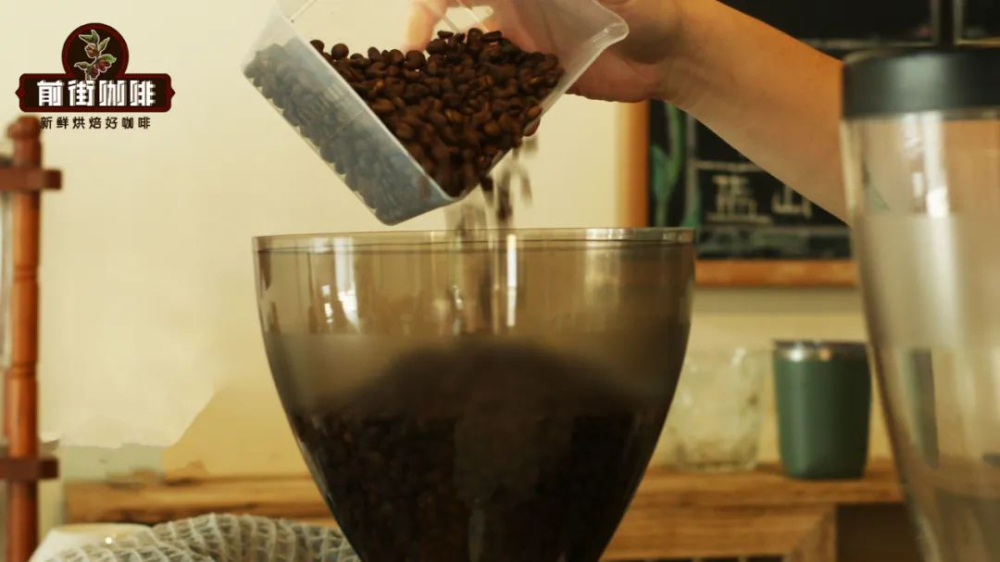
Simply put, hopper pressure refers to the stable pressure exerted by the weight of a large quantity of coffee beans in the hopper when filled — the upper beans pressing down on those below due to gravity, just before they enter the burr grinding area. This pressure allows the beans to experience a more consistent and even compressive force as they approach the burrs, resulting in coffee grounds with a more uniform particle size. Uniform particle size is the foundation of even extraction, effectively avoiding issues of over-extraction or under-extraction, and is crucial to the balance of the final flavor.
As the amount of coffee beans in the hopper gradually decreases, especially when only a small amount remains, this downward pressure also diminishes. In extreme cases — such as when only the amount of beans needed for a single shot of espresso remains in the hopper — the beans may not receive enough stable compression. This can lead to irregular movement the moment they come into contact with the burrs, such as being "bounced" or "ejected" by rotational forces. This phenomenon, commonly known as "bean hopping," causes each bean to be ground inconsistently, ultimately affecting the uniformity of the coffee grounds and altering the extraction outcome.
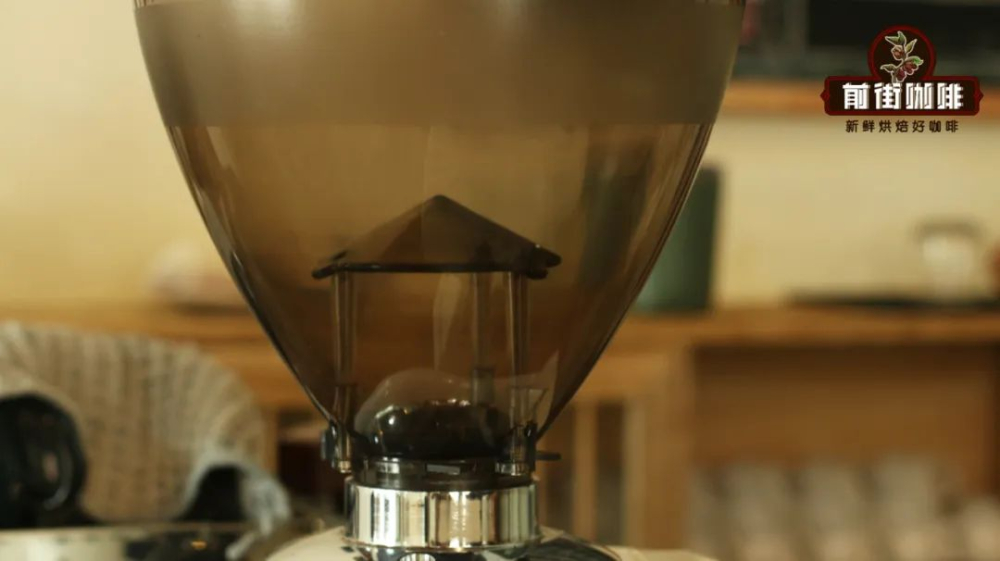
So, what is that trapezoidal, umbrella-shaped lid on the grinder? This common yet often overlooked component actually plays a vital role in stabilizing hopper pressure. Located directly above the burrs, its trapezoidal and umbrella-like structural design disperses the weight of the upper beans and prevents them from directly pressing down on the beans about to be ground. As the lower beans are ground and consumed, the upper beans naturally fall into place under gravity, with this structure bearing most of the static weight, thereby maintaining pressure stability in the grinding zone below.
This design is particularly important for commercial coffee shops, as it ensures consistently stable grind quality even under high-volume demand. Of course, the situation may differ somewhat for home users.
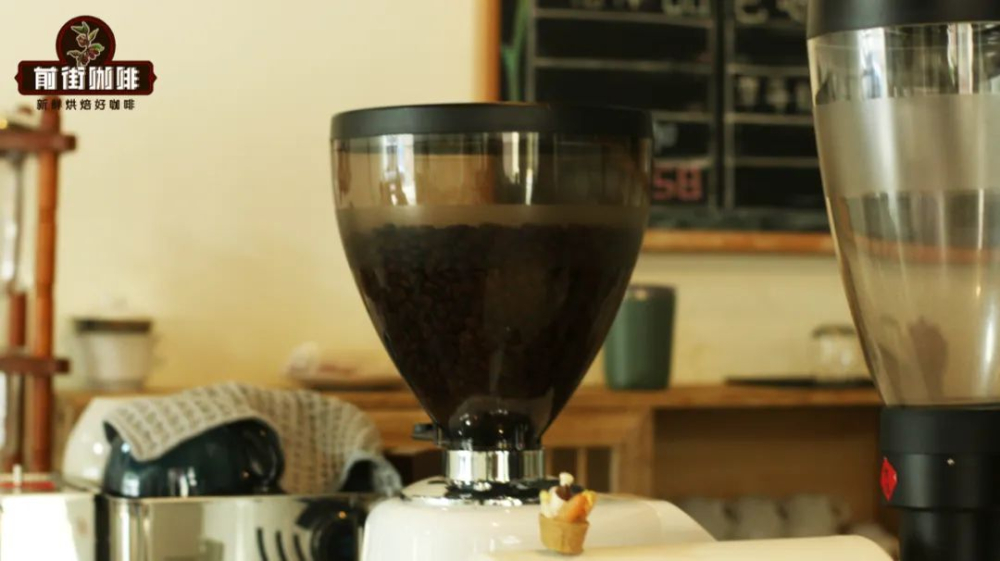
To more intuitively understand the actual impact of hopper fill levels on extraction, we conducted a comparative experiment. Using the same blend (Warm Sun Blend), at identical grind settings, we extracted espresso shots of the same liquid volume (40ml) under both full hopper and low bean (non-full) conditions, while recording extraction time and flavor profiles.
InFull Hopper Condition, it took approximately32 secondsto extract 40 milliliters of espresso using 20 grams of coffee grounds. The resulting cup exhibited pronounced whiskey-like aromas and rich fruity sweetness, with a full body and distinct layers of flavor. In theNon-Full Hopper Condition, under the same parameters, the extraction time shortened to29 seconds. While similar notes of whiskey and sweetness were still present, the overall body felt slightly less rich, and the flavor layers appeared a bit more one-dimensional.
From this set of experiments, it can be observed that while the amount of coffee beans in the hopper does indeed affect grind pressure and extraction performance, the difference may not be very significant for general home users. If you’re only occasionally brewing a few cups of coffee at home, there’s really no need to fill the hopper to the top each time. On the contrary, adding beans according to actual needs each time can help maintain the freshness of the coffee, preventing flavor degradation due to prolonged exposure to air.
In summary, the fill level of the bean hopper does affect grind uniformity and extraction stability via its influence on hopper pressure. For commercial use or high-frequency brewing environments, keeping the hopper near full helps maintain consistency in output. For home users, however, adjusting the amount of beans based on actual needs can still deliver a high-quality coffee experience while preserving bean freshness.
The above content is compiled by CoffeeHunters, a coffee news website.


