








Introduction:How did latte coffee evolve from its original role as a "bitterness masker" into the widely popular specialty milk coffee it is today? This article delves into the transformation of the latte from the era of instant coffee to the rise of specialty coffee, exploring how it has become a classic balance of espresso and milk flavor through the interplay of chain brands, consumer preferences, and advancements in coffee technology. Readers will gain insight into the evolution, tasting notes, and market trends of the latte.
For many people, their first experience with coffee often begins with a latte. This cup of coffee is not as bitter as expected; instead, it carries a gentle milky aroma and a smooth texture, putting newcomers at ease and even leading them to fall in love with coffee. So, how did the latte transition from a practical choice used to "dilute bitterness" in earlier times to a star beverage in cafés, favored by coffee lovers across all walks of life?
The term "latte coffee," directly translated from the original Italian "caffè latte," means "milk coffee." Broadly speaking, any coffee with milk added—whether made via pour over, French press, moka pot, or even instant coffee—can be generically called a latte. However, the latte commonly recognized today refers to a specialty coffee made with an espresso base and steamed milk.

Looking back at the development of China's domestic coffee market, the widespread adoption of the latte is closely tied to the public’s early impressions of coffee. In the early stages of reform and opening up, most people encountered coffee mainly in canned or instant forms. These products mostly used Robusta beans with relatively mild flavors and were often dark roasted, resulting in a strong bitterness that deterred many newcomers.
To mitigate this intense bitterness, many consumers began adding large amounts of milk to their coffee on their own. This not only effectively neutralized the bitterness but also added the inherent sweetness and smooth texture of milk. Although at the time most people didn’t know this drink was called "latte coffee," it was indeed a crucial starting point for the latte’s entry into the public eye.
Subsequently, international coffee chains such as Starbucks entered the Chinese market, introducing not only the concept of "freshly ground coffee" but also accelerating the popularity of milk-based specialty drinks like the latte. Early freshly ground coffee was still somewhat bitter, but consumers quickly discovered that lattes not only tasted more approachable but also allowed them to appreciate the beautiful latte art created by baristas, further enhancing the drinking experience. Many even came to view latte art as an indicator of a café’s professionalism, making ordering a hot latte and watching the latte art part of leisure time.
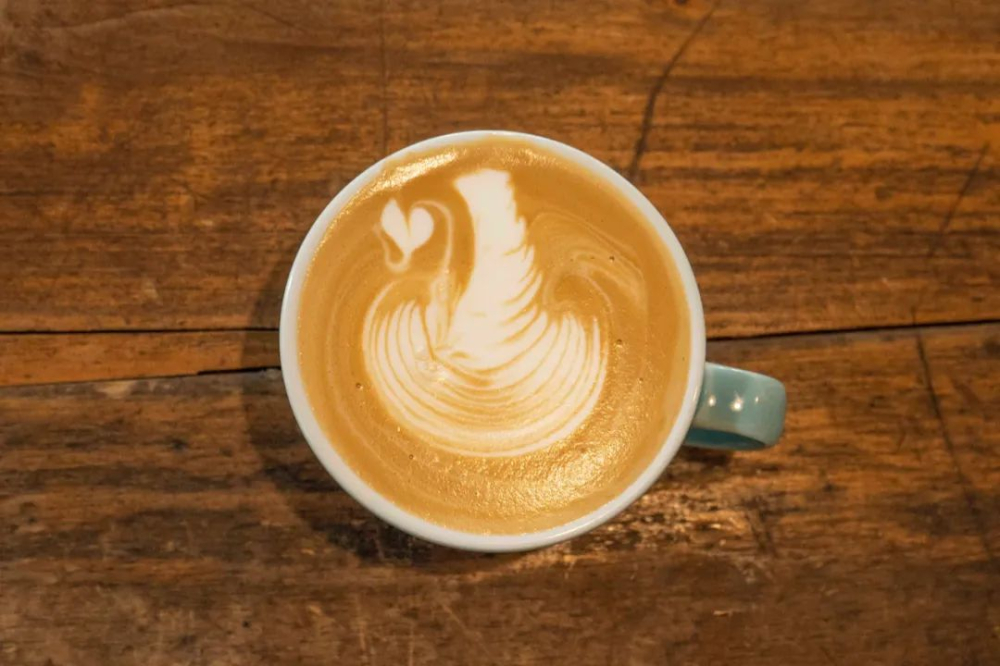
With the rise of specialty coffee culture, consumers’ understanding of coffee flavors expanded beyond just "bitterness," gradually recognizing that coffee itself can present complex layers such as fruity acidity, floral notes, caramel, and chocolate. This shift transformed the latte from merely a "bitterness cover-up" tool into a vessel that could complement and enhance the flavors of the coffee. By adjusting the ratio of coffee to milk, the unique characteristics of the beans can be highlighted more precisely.
Against this backdrop, the market has also gradually seen the emergence of smaller-volume milk coffee options such as the piccolo and dirty, allowing consumers to still clearly perceive the regional characteristics and processing flavors of the coffee itself, even in smaller servings, further expanding the expressive potential of milk coffee.
Another key driver in the evolution of the latte is the rise of single-origin espresso (SOE). Many coffee enthusiasts have begun to pursue coffee that showcases the terroir of specific regions, and the bold personality of SOE, when paired with milk, often results in unexpectedly delightful flavor interactions. Combinations such as SOE dirty or SOE flat white have led people to rethink the possibilities of pairing milk with espresso.
For consumers already familiar with coffee flavors, choosing a latte is no longer just about seeking something easy to drink, but also about using the smooth texture of milk to bring out the subtle layers behind the espresso, while enjoying a silky mouthfeel and a diverse range of aromatic expressions.
In summary, the popularity of latte coffee is not just the result of market forces, but also a product of evolving consumer tastes, advancements in coffee technology, and brand promotion. It retains the fundamental charm of coffee while, through the harmony of milk, opens up a broader spectrum of coffee drinking possibilities. This is the key to its enduring appeal and its continued ability to attract both new and seasoned coffee enthusiasts.
The above content is compiled by CoffeeHunters, a coffee news website.


