







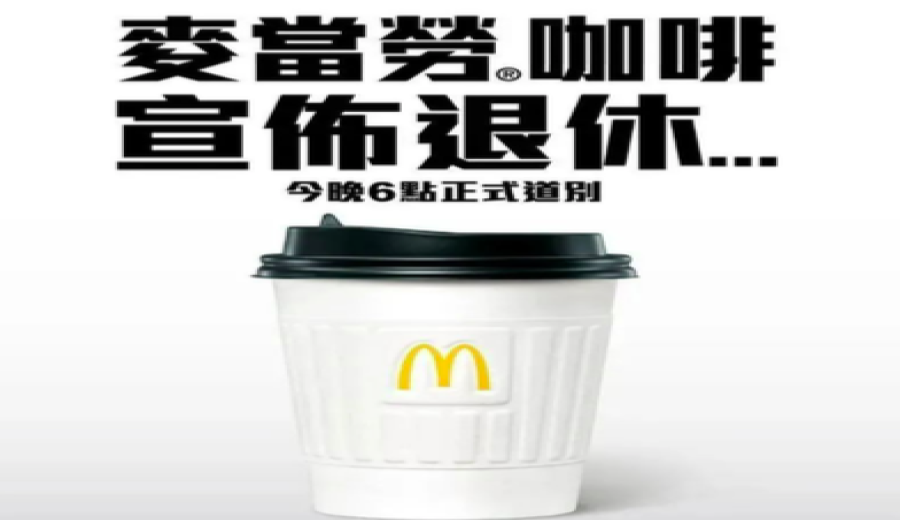
Introduction:Hong Kong McDonald's recently announced the discontinuation of its traditional coffee products, including Rich Aroma Coffee and Freshly Ground Coffee, fully transitioning to the McCafé range. This change not only affects customers' breakfast choices but also draws attention to the brand's strategy and supply chain. This article delves into the reasons behind the adjustment, the enhancements in McCafé, and the actual impact on the market and investors.
Hong Kong McDonald's has made a major adjustment, officially discontinuing its two traditional coffee categories—Rich Aroma Coffee and Freshly Ground Coffee—from 6 p.m. on Monday evening. This move quickly sparked heated discussions on social platforms, with many customers expressing shock, especially since the affordable freshly ground coffee has long been a staple in many office workers’ breakfast routines. Some netizens exclaimed that this is bad news for "commuters," who will find it hard to adjust to a McDonald's without its signature coffee.
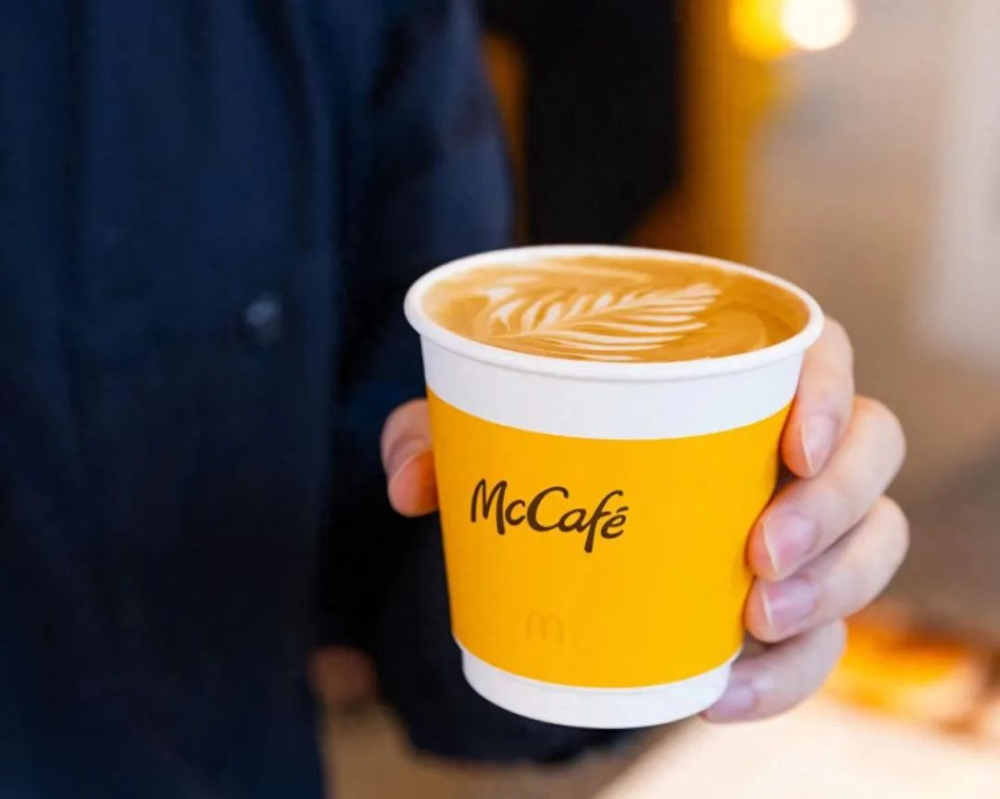
Notably, McDonald's other coffee brand, McCafé, remains unaffected by this discontinuation. In fact, McCafé’s freshly ground black coffee and freshly ground fresh milk coffee will become the standard beverages in future meal combos. On the very evening the discontinuation was announced, McDonald's revealed via its official Facebook page that starting from September 5, the beverage in combo meals at all 250 Hong Kong outlets would be upgraded free of charge to McCafé freshly ground black coffee. Although not all outlets have yet set up McCafé counters, the brand plans to complete the beverage upgrade across all locations within this month.
This adjustment is seen as a restructuring of McDonald's internal brand architecture and also indicates that McCafé’s presence in the Hong Kong market is gradually deepening. As McDonald's dedicated professional coffee brand, McCafé has been actively expanding its global market in recent years, especially in Asia, with a clear focus on the rapidly growing coffee-consuming demographic. By upgrading all combo meal beverages to McCafé products, the brand not only enhances the customer experience but also aims to capture greater market share in the fiercely competitive ready-to-drink coffee market.
However, this decision has also had ripple effects on the supply chain. J.E.C. International Holdings Limited, a long-term partner of McDonald's, saw its stock price plummet following the announcement, even hitting its lowest point since listing, with an intraday low of HK$0.68. Established in 1932, J.E.C. has long supplied ingredients to well-known brands such as 7-Eleven, McDonald's, Tsui Wah, and Yoshinoya, making it one of the key suppliers in Hong Kong’s foodservice industry. McDonald's coffee adjustment has undoubtedly delivered a certain blow to its performance and market confidence.
Public opinion on this matter remains diverse. Some observers believe this is a carefully planned brand upgrade and marketing move—using the discontinuation of traditional coffee to stir conversation and redirect consumer attention to McCafé. Regardless of whether McCafé can successfully establish a stable consumption pattern in the future, this wave of discussion has successfully captured public interest and prompted more people to compare the flavor and value differences between the two. However, some local media have criticized the move, stating that while it may grab short-term attention, it overlooks the feelings of loyal customers and suppliers, and is not a strategy with long-term vision.
For consumers who are used to pairing McDonald's coffee with breakfast, they may now need to adapt to the flavor and pricing of McCafé. McCafé freshly ground black coffee is generally medium to dark roasted, emphasizing a rich and bold taste, ideal for those who enjoy the original flavor of coffee. Meanwhile, freshly ground fresh milk coffee offers a more balanced sweetness and milk aroma, closely resembling the typical fresh milk coffee options found on the market. To achieve the best flavor, it is recommended to adjust sugar and milk ratios according to personal taste or try beans of different roast levels to find your ideal coffee combination.
In summary, Hong Kong McDonald's strategy of discontinuing traditional coffee and fully shifting to McCafé is not just a product line adjustment, but also reflects the brand’s response to market trends and long-term planning. Regardless of the final outcome, this decision has generated widespread reverberations among consumers, the market, and the supply chain, offering a new perspective on the ready-to-drink coffee market.
The above content is compiled by CoffeeHunters, a coffee news website.


