







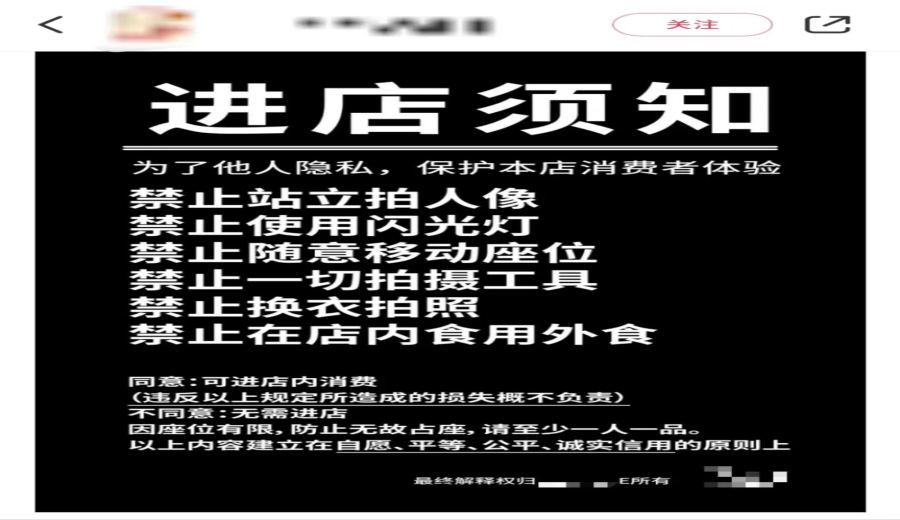
Introduction:A popular internet-famous café in Fuzhou, beloved by social media enthusiasts, has sparked heated discussion due to seven photography and behavior rules posted at its entrance. Ranging from a ban on flash photography and standing for photos to mandatory seating-based ordering, the café emphasizes maintaining a pleasant dining environment—but some customers find these rules confusing. This article delves into the real impact of these regulations, explores how cafés can balance photography demands with customer experience amid the selfie boom, and offers practical advice for those planning to visit.
Recently, a well-liked internet-famous café in Fuzhou, Fujian, became the focus of online discussion after posting seven entry rules at its door. These include bans on standing for photos, using flash, moving seats arbitrarily, using any kind of photographic equipment, changing clothes for photos, eating takeout food inside the café, and a requirement to order based on seating. Customers must agree to these conditions before entering and making a purchase; if they do not agree, the café advises them not to come in.
It is understood that this café previously promoted itself on social media platforms primarily as a place “good for taking photos” to attract customers. However, many visitors found that while the environment was indeed photogenic, there were numerous restrictions on photography. For example, some customers reported wanting to take pictures of food inside the café, only to be told they couldn’t use flash—even ending up in communication misunderstandings with staff due to unfamiliarity with the seating-based ordering rule. On those occasions, staff merely stated, “This is a place for people to eat,” without providing further details on the specific regulations.
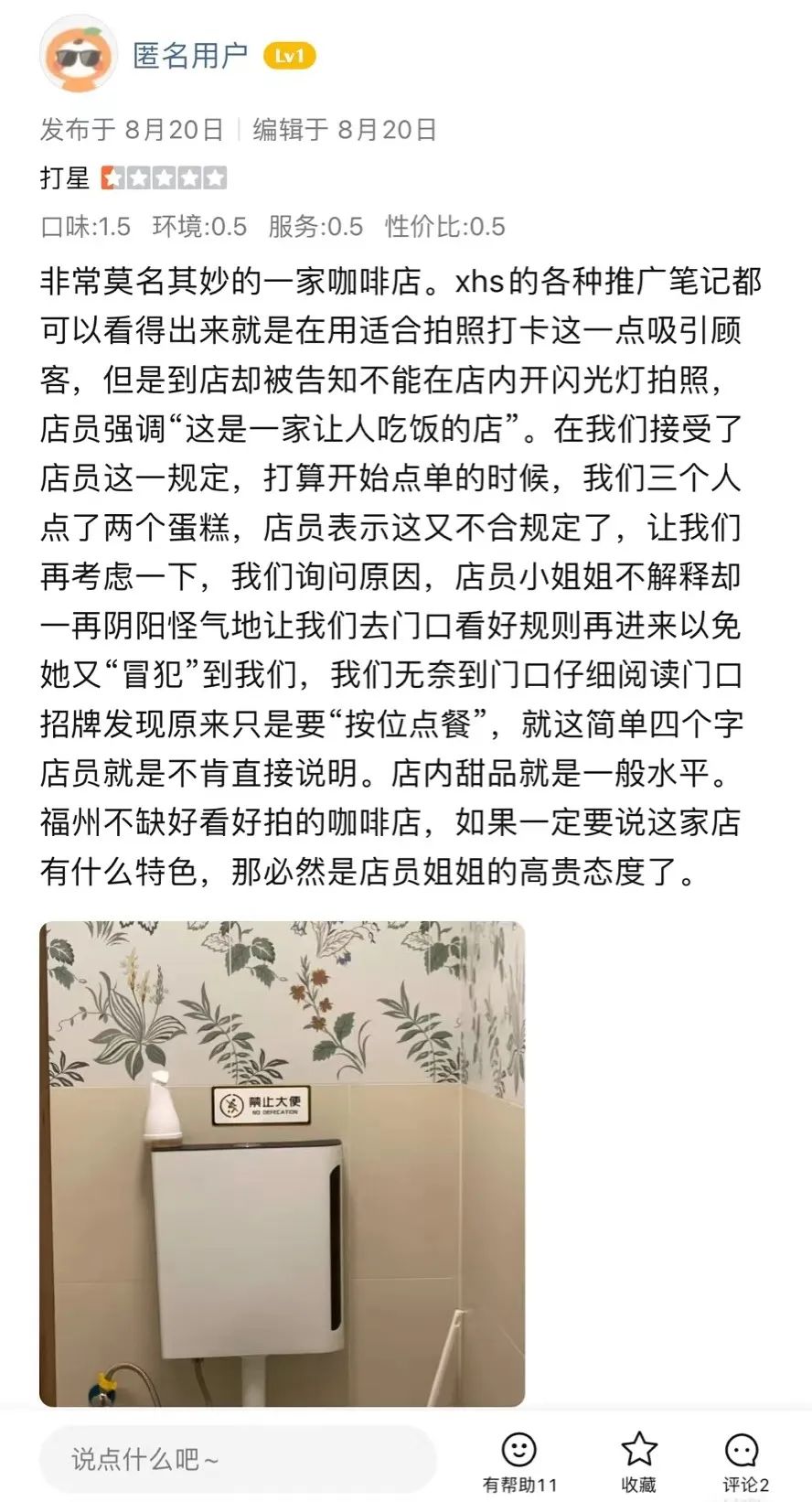
One netizen shared their experience: a group of three had planned to order two cakes but were asked to reconsider because it didn’t comply with the seating-based ordering rule. When asked why, the staff did not explain immediately but instead suggested they go back to the entrance to review the posted notices. This approach left many customers feeling inconvenienced, even as though they were being forced to accept the rules.
In response to the controversy, the café explained that in the past, customers often engaged in excessive photo posing, which disturbed other diners—some even complained about becoming “background props.” As a result, the café decided to restrict behaviors like standing for photos. Additionally, to prevent damage caused by moving seats around, the seating-based ordering rule was introduced to ensure each table had a designated user. The café emphasized that these measures aim to maintain a comfortable dining environment, especially protecting the rights of customers who come specifically for coffee and meals.
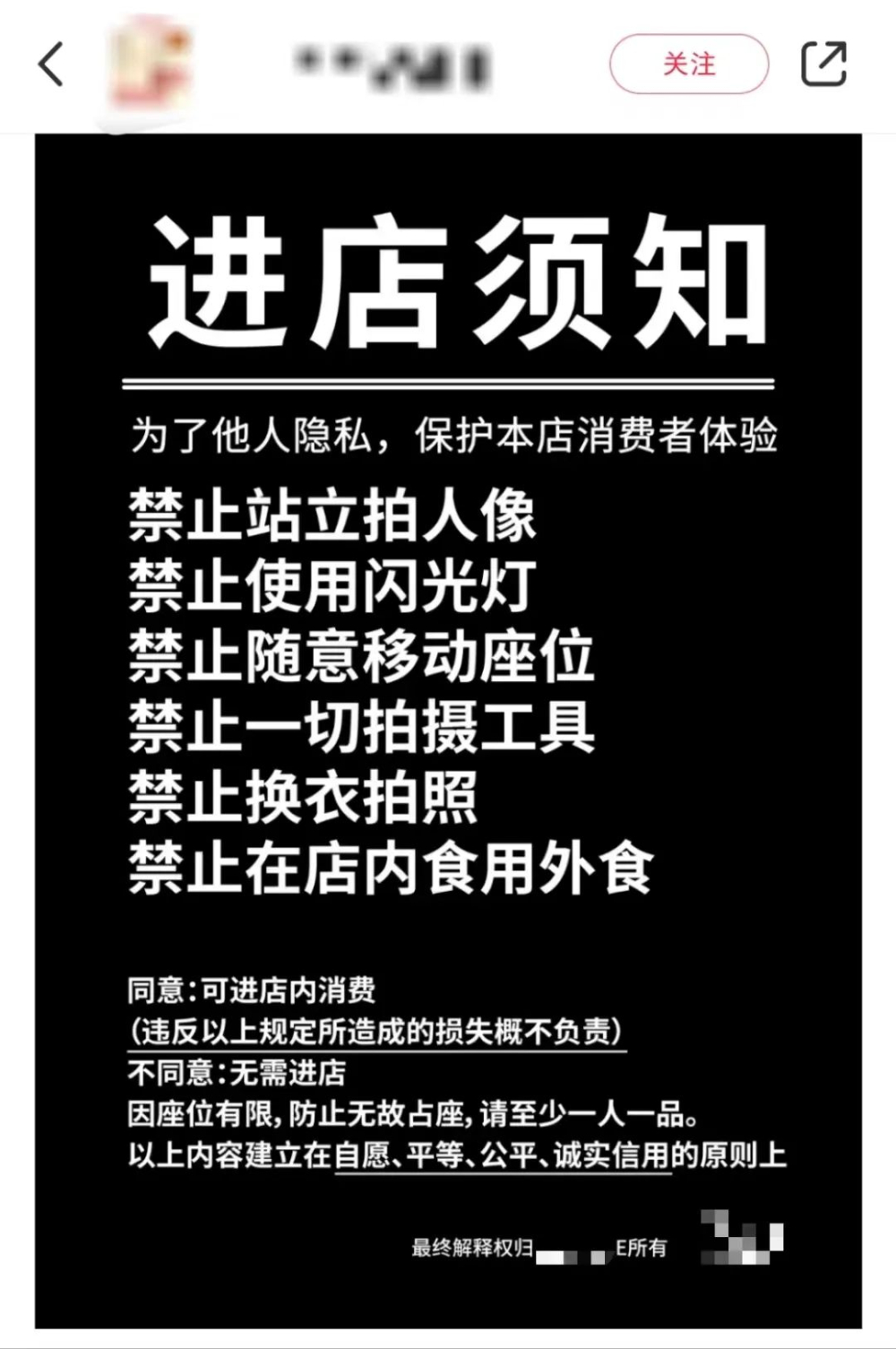
The café further clarified that photography is not entirely banned inside; customers can take photos while seated or in designated areas near the entrance, but they are not allowed to move tables and chairs or occupy public spaces. In particular, the use of large photographic equipment such as tripods and video cameras is prohibited, and commercial photography is also explicitly restricted. These rules mainly target behaviors that might disturb other customers or cause damage to in-store facilities.
Regarding the polarized feedback on these regulations, many netizens have shared their views. Some believe that although the café’s rules are strict, they help maintain a good dining atmosphere—especially for customers who dislike being disturbed by photography. They pointed out that since the café clearly states it only accepts customers who agree to the rules, it is essentially a mutual choice, and there’s no need for excessive backlash.
However, other netizens criticized the café’s communication style as overly rigid, saying the tone of the notice seemed like it was “lecturing customers,” which could easily make people feel disrespected. Some comments suggested that if the café could explain the rules more gently—for example, by informing customers in advance during online reservations or displaying clearer signage inside—it might reduce misunderstandings and conflicts.
Notably, many netizens mentioned that this café had previously attracted a large number of café-hopping bloggers for check-ins, with related posts often highlighting its photogenic environment and suitability for photos. The introduction of a series of anti-photo rules now feels contradictory, which is also one of the reasons for the controversy.
Industry insiders suggest that if cafés wish to attract social media-savvy visitors while maintaining a pleasant operational environment, they could consider setting up dedicated photography zones or regulating photography activities during specific time slots. At the same time, communication with customers should prioritize tone and transparency to avoid making people feel restricted or disrespected. For customers, it’s also advisable to familiarize themselves with a café’s rules before visiting an internet-famous spot, to prevent misunderstandings that could affect the dining experience.
The above content is compiled by CoffeeHunters, a coffee news website.


