







Introduction:Espresso Romano is a classic Italian beverage that combines espresso with the flavor of lemon. Originating in southern Italy after World War II, it uses the bright acidity of lemon to balance the intense bitterness of dark-roasted coffee. This article delves into its historical background, traditional preparation methods, and shares practical brewing insights to help you master the balance between lemon and espresso, crafting your own Roman-style espresso.
Espresso comes in many variations—adding water makes it an americano, adding milk turns it into a latte, and even pairing it with ice cream creates an affogato. But did you know? When espresso meets lemon, it gives birth to "Espresso Romano," a classic drink full of southern Italian charm. This coffee not only has a long history in southern Italy but is also a clever pairing locals use to soften the harsh bitterness of dark-roast espresso. This article will take you through its historical origins, traditional practices, and hands-on brewing experiences to fully explore the unique charm of this distinctive coffee.
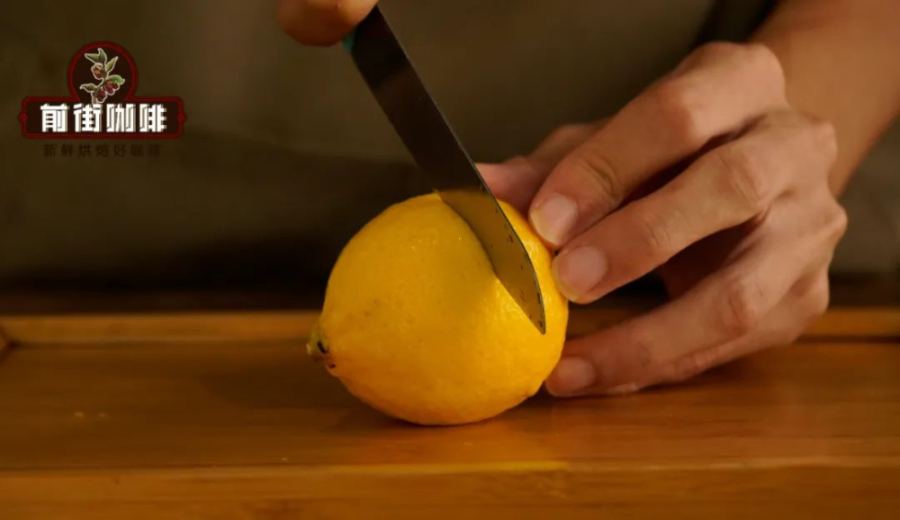
Making Espresso Romano is actually not complicated. Typically, a barista will add a slice of lemon to the freshly extracted espresso or directly squeeze in fresh lemon juice, then accompany it with a small spoonful of sugar, allowing the drinker to stir it evenly before sipping. Some methods also involve rubbing a lemon slice around the rim of the cup to enhance the aroma before placing a slice of lemon into the cup. These small details may seem minor, but they can make the overall flavor more multidimensional.
So why add lemon to espresso? There’s actually a historical reason behind it. As early as the early 20th century, the espresso machine and moka pot were introduced, becoming the primary brewing tools in Italian homes and cafés. However, at that time, coffee beans were mostly dark-roasted, emphasizing intense smokiness and bitterness. The high-pressure extraction made the bitterness even more pronounced. Especially during the post-war years of material scarcity, coffee bean quality varied, and imports were restricted, so many people had to settle for more pungent-tasting coffee.
It was against this backdrop that the lemons abundantly grown in southern Italy became a natural choice to harmonize the bitterness of espresso. Particularly the lemons from the Sorrento region, known for their bright acidity and aroma, could effectively neutralize the heaviness of the coffee, making the entire drink easier to enjoy. To this day, in places like Naples, Capri, and Sicily in Italy, this lemon-paired espresso culture still exists. Locals call it "caffè canarino" or "caffè all’imone," while internationally it is commonly referred to as "Espresso Romano."
The strong acidity of lemon and the intense bitterness of coffee create an interesting contrast, and when balanced, they can deliver a more harmonious taste experience. To personally verify this combination, one coffee brand conducted two recreation attempts to explore how to find the optimal balance between lemon and coffee.
In the first attempt, we used the Sunflower Warm Sun blend, extracting 38 grams of espresso from 20 grams of coffee grounds within 28 seconds. Since the blend contains 30% Yirgacheffe, which naturally has a slight berry-like acidity, we thought it would interact well with lemon. However, after actually adding a lemon slice and a spoonful of sugar, the sourness and astringency were amplified instead, making the overall flavor green and unbalanced. Even after stirring, the layers of sweet, sour, and bitter still failed to merge as expected.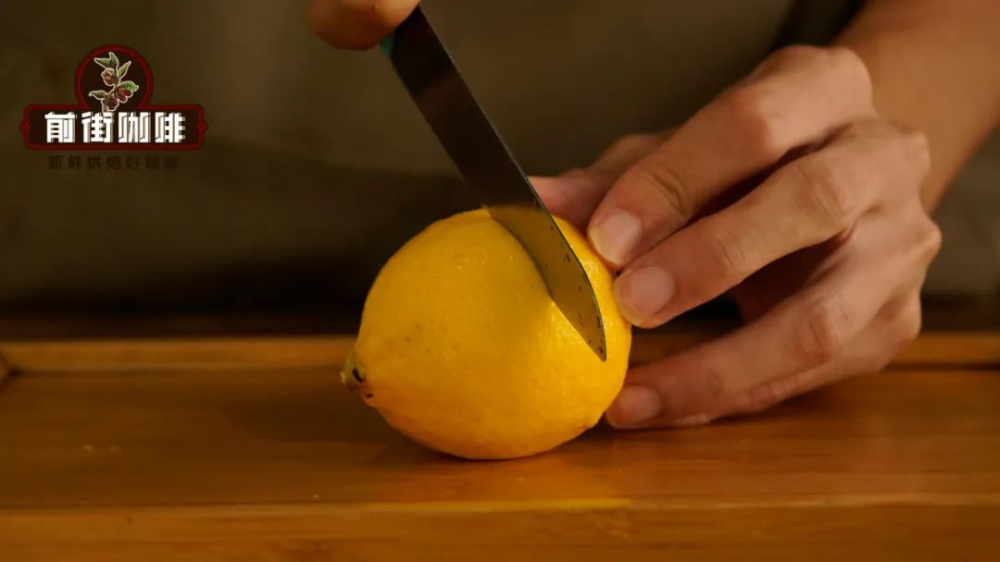
The second attempt switched to using a moka pot to brew medium-dark roasted Brazilian Queen Estate beans. We used 20 grams of coffee grounds, Ek43s grind size 3.5, and extracted 80 grams of coffee with 120 grams of water. This moka pot coffee performed quite well on its own—smooth on entry, with notes of nuts and caramel, and a subtle sugarcane-like aftertaste. However, when a small amount of lemon juice was added, the acidity quickly took over. Even as the coffee’s bitterness gradually emerged afterward, the overall experience was still far from the ideal balance we sought.
Combining these two experiences, we found that the choice of coffee beans and the amount of lemon juice are the key factors influencing the final flavor. If you want to try recreating Espresso Romano at home, we recommend experimenting with beans of different roast levels and carefully controlling the amount of lemon juice to gradually find your own perfect ratio.
It’s worth mentioning that some modern baristas add a trace amount of lemon juice to espresso as a flavor accent, adding layers to the drink without overshadowing the coffee itself. This clever use also demonstrates the endless possibilities of combining traditional techniques with modern creativity.
The above content is compiled by CoffeeHunters, a coffee news website.


