







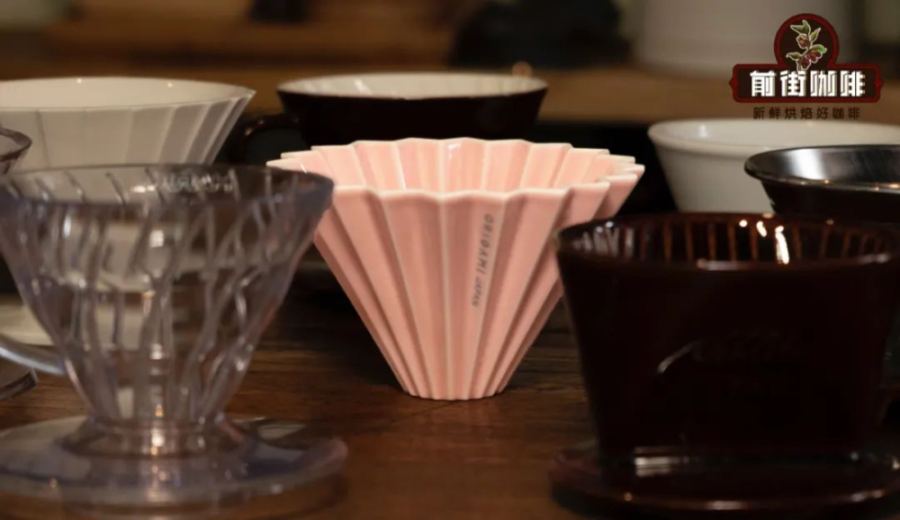
Introduction:The Origami pour over filter cone, with its distinctive angular design and compatibility with both cone and basket filters, has become a favorite among pour over enthusiasts and competition baristas. This article delves into the extraction rhythm differences when using cone and basket filters, compares the flavor profiles of Geisha beans with both filter types through practical testing, and offers recommendations on dripper mats along with useful brewing tips to help you unlock the full potential of this highly versatile filter cone.
With its sharply angled, folded-paper-like appearance, the Origami filter cone is highly recognizable among various pour over cones. It is not only commonly found in specialty coffee shops but also frequently appears in international brewing competitions. Designed by Japanese designer Kōji Suzuki, this cone’s standout feature is its flexibility to work with both cone and basket filters—and switching between these two filter types directly affects water flow rate, extraction uniformity, and ultimately, the final flavor profile of the coffee.
Mr. Suzuki drew inspiration for this cone from the shape of folded paper, hence naming it “Origami” (meaning “folded paper” in Japanese). Structurally, its internal ridge design differs significantly from that of the common V60 filter cone—when using a cone filter, the inner wall is lined with 20 vertical long ridges (compared to the V60’s 12 spiral long ridges + 12 short ridges), while the basket filter relies on the folds of the cone wall for support (since the bottom of the cone is a large open hole with no base).
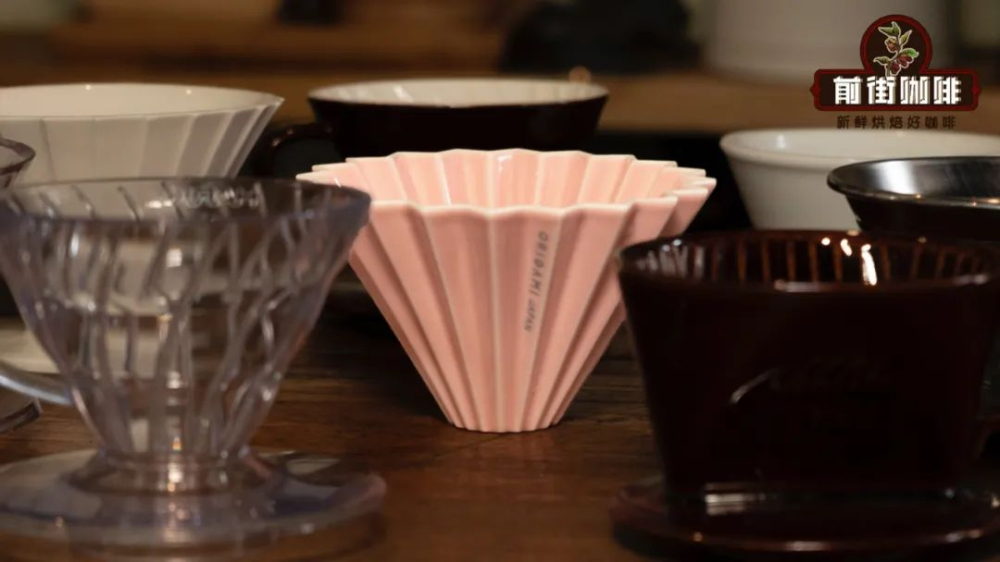
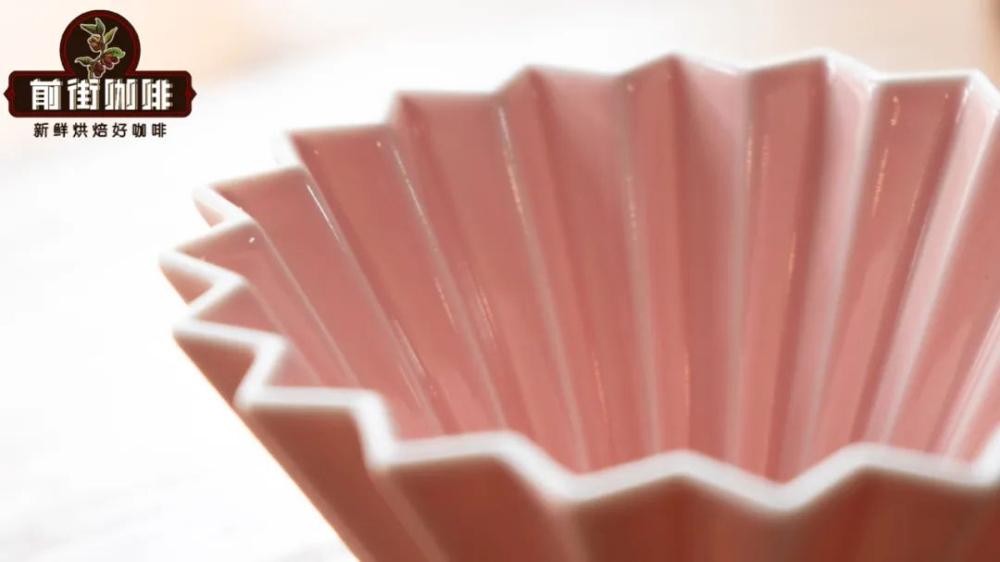
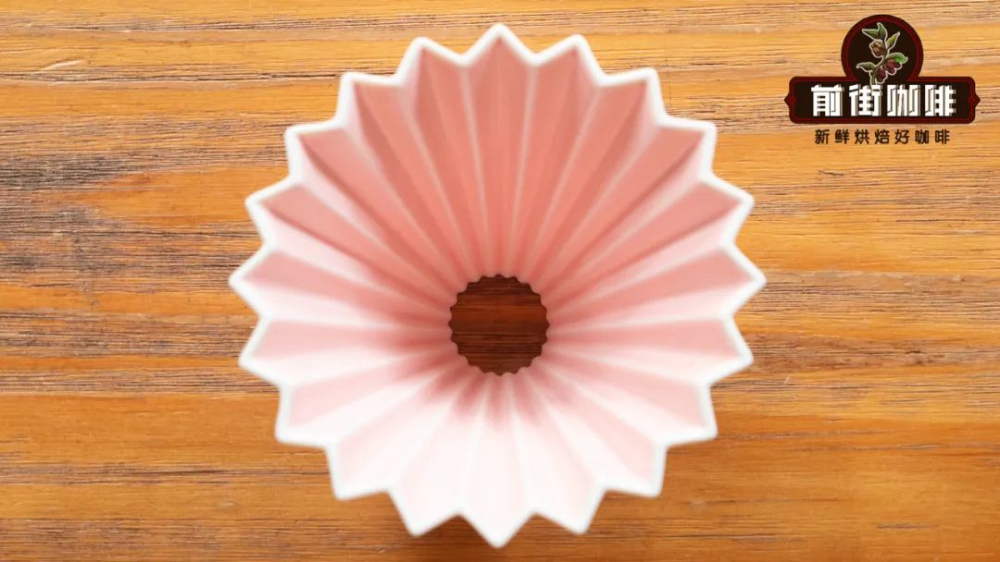
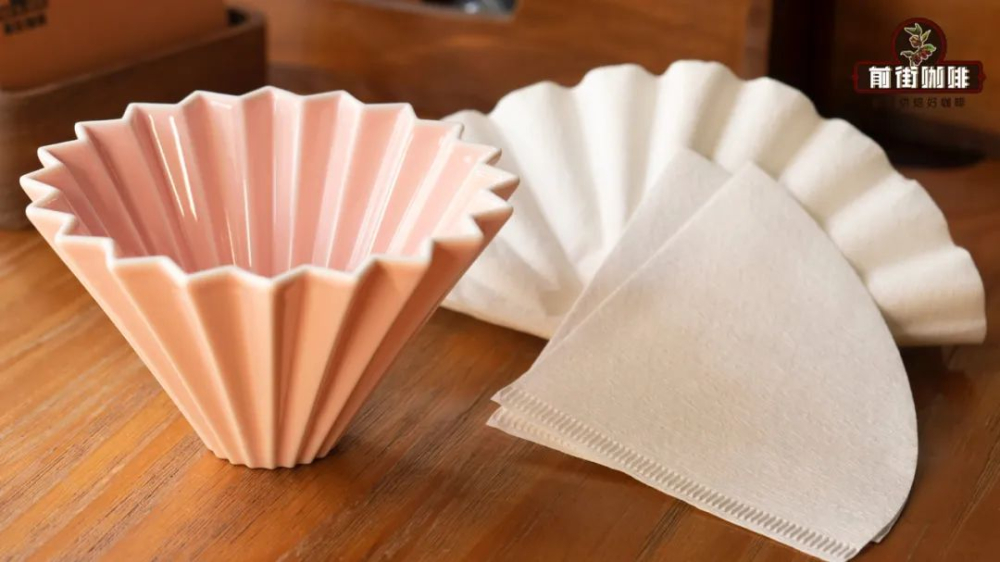
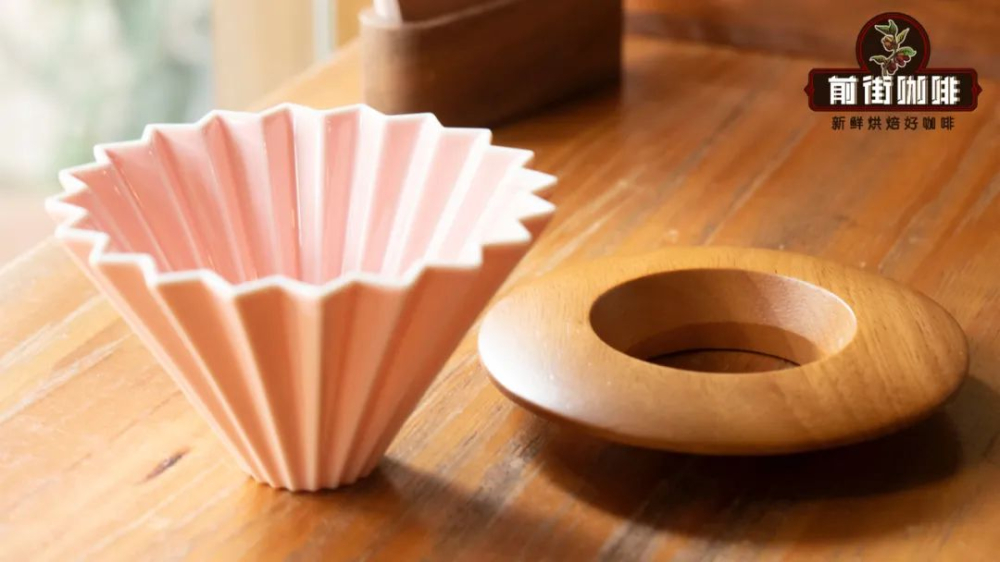
Practical extraction data shows: when using a cone filter, the total extraction time is approximately 1 minute and 56 seconds; switching to a basket filter extends this to 2 minutes and 1 second. Although the time difference is small, the flavor profiles differ noticeably. Taking Geisha coffee beans as an example, brewing with a cone filter highlights bright citrus acidity (such as lemon and bergamot), accompanied by subtle chamomile floral notes, with a smooth mouthfeel and distinct layers, and a light sweetness in the aftertaste. In contrast, when using a basket filter, the citrus acidity becomes gentler, the chamomile aroma remains, but the overall flavor shifts toward a soft tea-like profile, with improved balance and a noticeable reduction in bitterness.
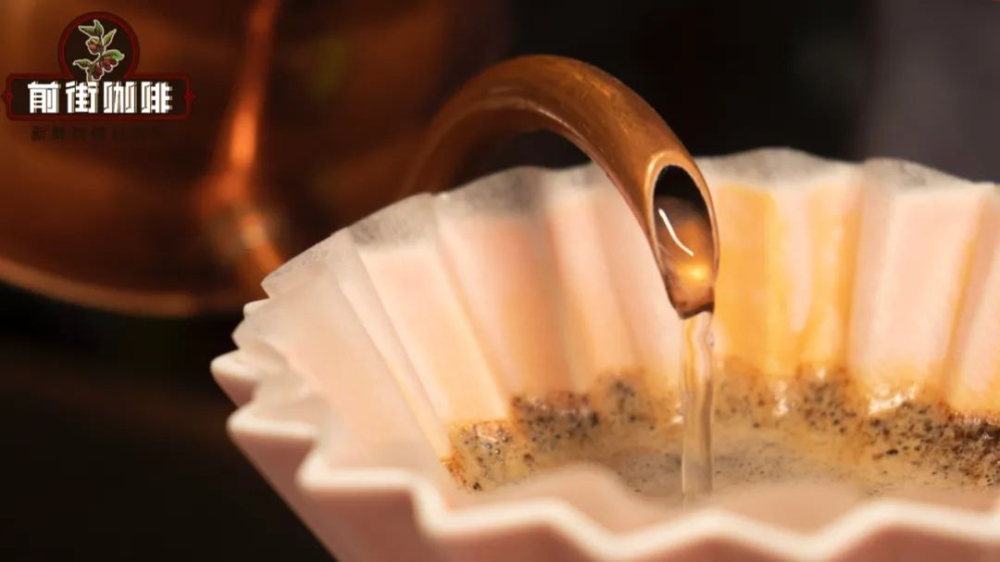
From an extraction principle perspective, the dense ridge structure of the cone filter guides water upward and outward, increasing the contact area between coffee grounds and water, thereby accelerating initial extraction—this is ideal for highlighting the coffee’s highly volatile aromas and acidity. The basket filter, lacking bottom support, must adhere tightly to the folds of the cone wall, resulting in a relatively slower water flow that prolongs extraction time, allowing mid-to-late stage flavor compounds (such as sugars and caramelized compounds) to be released more fully, resulting in a rich and balanced mouthfeel.
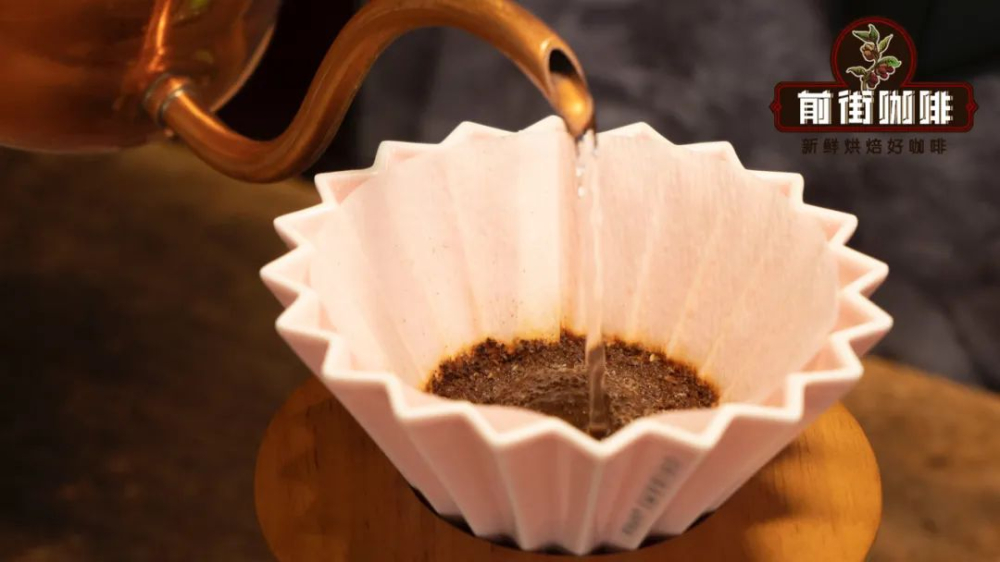
The versatility of the Origami filter cone lies in its adaptability—simply switching filter types allows you to adjust the extraction style dramatically, making it an ideal tool for beginners to explore flavor variations. The operation is not difficult; just pay attention to the filter folding method and pre-wetting steps (it is recommended to rinse the filter with hot water and discard the excess water to avoid paper taste affecting the coffee flavor), then adjust grind size (medium-fine is suggested, around 70%-75% passing through a #20 sieve) and water temperature (90-93°C is recommended for Geisha beans) according to personal preference.
It should be noted that the Origami filter cone requires a dedicated dripper mat, which comes in common wooden and resin materials. While wooden mats have a warm appearance, many original versions lack anti-slip serrations, which can cause unstable water flow during brewing due to cone movement (it is recommended to choose a resin mat with a ring of serrations at the bottom to securely stabilize the cone and ensure a smooth extraction process). Additionally, when using a basket filter, ensure the filter is fully adhered to the cone wall folds to prevent water from taking shortcuts due to insufficient bottom support, which could affect extraction uniformity.
If you’d like to personally experience the flavor potential of the Origami filter cone, the store located at No. 10, Bao’an 10, YanDun Road, Dongshankou, Yuexiu District, Guangzhou City, Guangdong Province, offers a variety of compatible filters and single-origin Geisha beans. You can observe the actual effects of different brewing setups on-site as a reference for home brewing.
The above content is compiled by CoffeeHunters, a coffee news website.


