







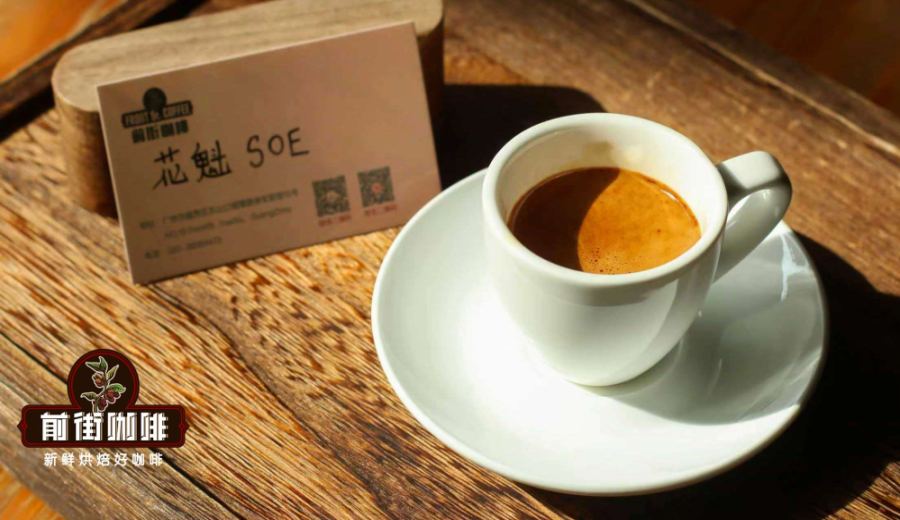
Introduction:Choosing the right SOE (Single Origin Espresso) is not just about pursuing flavor, but also about balancing crema performance and extraction results. This article delves into the differences in crema, mouthfeel, and flavor between light, medium, and dark roasted beans. From extraction parameters and the science behind crema formation to actual tasting experiences, it helps you find the most suitable SOE for your preferences and explains why medium to medium-dark roasts are better suited for everyday espresso.
SOE stands for Single Origin Espresso, referring to espresso made from beans sourced from a single origin. This brewing method aims to highlight the unique flavor characteristics of coffee beans from a specific region using an espresso machine. However, not all coffee beans are suitable for SOE, and the degree of roasting has a significant impact on crema generation and overall flavor profile.
To understand this more intuitively, we use three common everyday beans as examples: a light-roasted Yirgacheffe, a medium-roasted Brazilian, and a dark-roasted Mandheling. Under the same extraction conditions, we observe their differences in crema performance and flavor profiles, further explaining why medium to medium-dark roasted beans are more suitable for daily espresso and which specific groups light-roasted beans are best suited for.
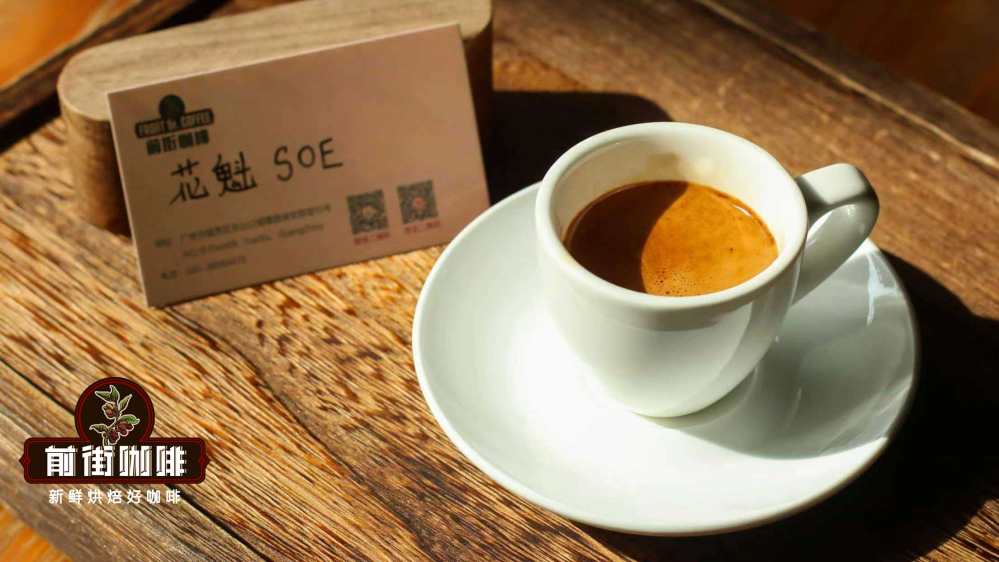
With the growing popularity of specialty coffee concepts, more and more consumers are beginning to pay attention to the unique flavor characteristics of different regions, making SOE an increasingly popular choice in the market. But here's the question: how do you choose an SOE coffee bean that truly suits your taste and needs?
The charm of SOE lies in its ability to concentrate and showcase the personality of a specific region, whether it's bright acidity, rich sweetness, or unique spice notes. For this reason, when choosing an SOE, it’s important not only to pay attention to flavor descriptions but also to understand how the roast level affects extraction results—especially the generation and stability of crema.
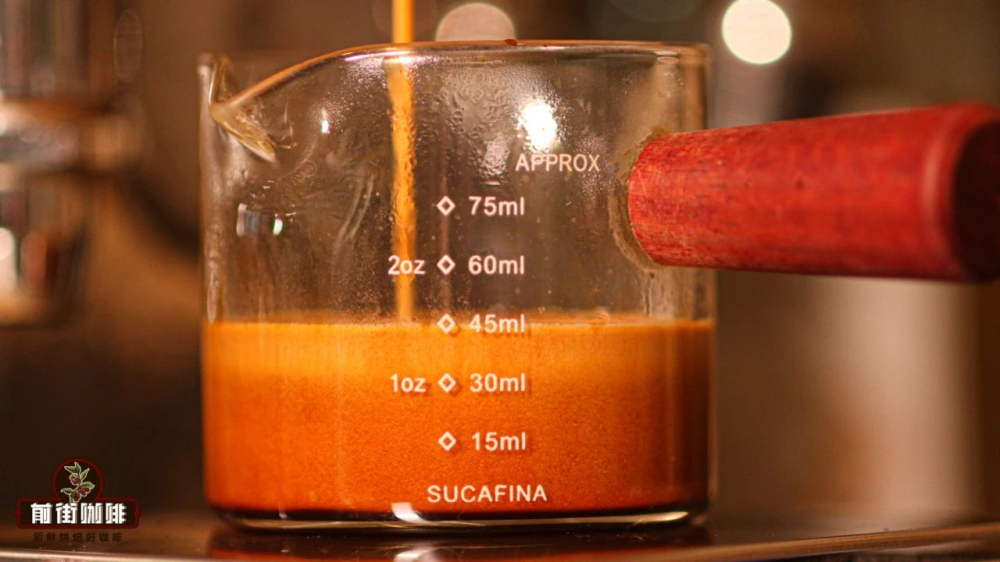
Espresso extraction typically takes only 25 to 35 seconds, and within this very short time, the aromatic compounds and oils in the coffee beans must be rapidly released. The golden layer of crema on the surface is not just the bean’s natural oil, but also includes carbon dioxide released during the fresh roasting process. These gases encapsulate volatile aromatic molecules, forming the majority of the espresso’s flavor foundation.
In other words, crema is not just a visual aspect—it directly impacts the coffee’s body and flavor longevity. The richness of the crema is closely related to the roast level, grind size, water temperature, pressure, and extraction time. This is also why freshly roasted beans can usually display more abundant crema and more vibrant flavors.
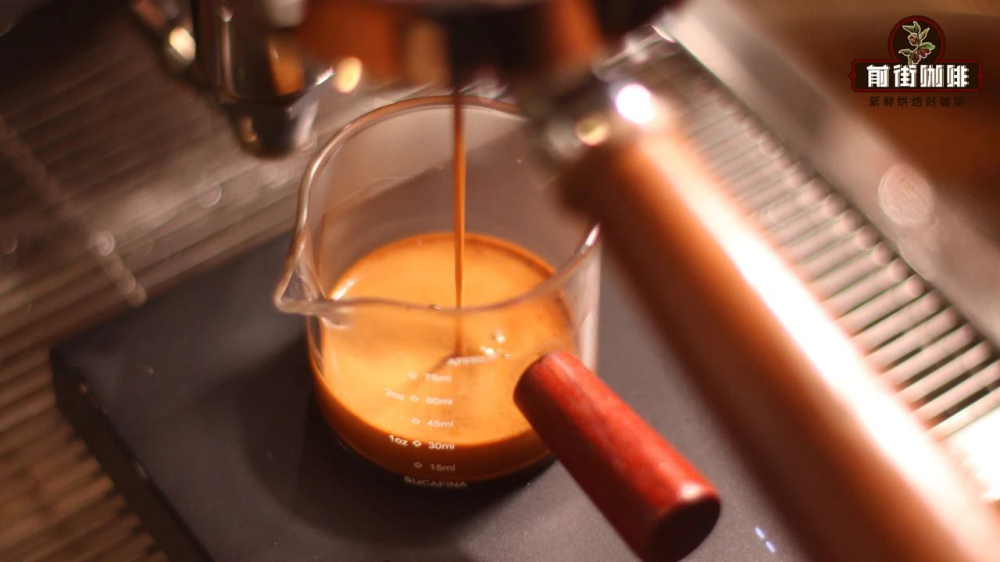
In this experiment, we used standard espresso extraction parameters: very fine grind, a coffee-to-water ratio of approximately 1:1.9 to 1:2, water temperature controlled at 94°C, pressure at 9 bar, and extraction time maintained between 25 and 35 seconds. We brewed standard-sized espressos using three types of beans—light-roasted Yirgacheffe, medium-roasted Brazilian, and dark-roasted Mandheling—to observe their crema performance.
The results showed that under the same extraction conditions, the light-roasted Yirgacheffe produced noticeably less crema, with a lighter color. The medium-roasted Brazilian had slightly more crema, but still not as much as the dark-roasted Mandheling. Overall, the ranking of crema richness is: Yirgacheffe < 巴西 < 曼特寧。這也解釋了為何許多咖啡師在製作日常意式濃縮時,會傾向選擇中至中深烘焙的豆子,以確保油脂充足、口感順滑且風味飽滿。
If we analyze purely from a flavor perspective, the light-roasted Yirgacheffe exhibits a distinct lemony acidity, with a bright but fleeting taste, a short aftertaste, and an overall thinner mouthfeel. In contrast, the medium-roasted Brazilian and dark-roasted Mandheling showcase rich nutty and chocolatey tones, with more pronounced sweetness, a smoother and fuller mouthfeel, and a long-lasting aftertaste. The Mandheling also has a hint of herbal aroma in the finish.
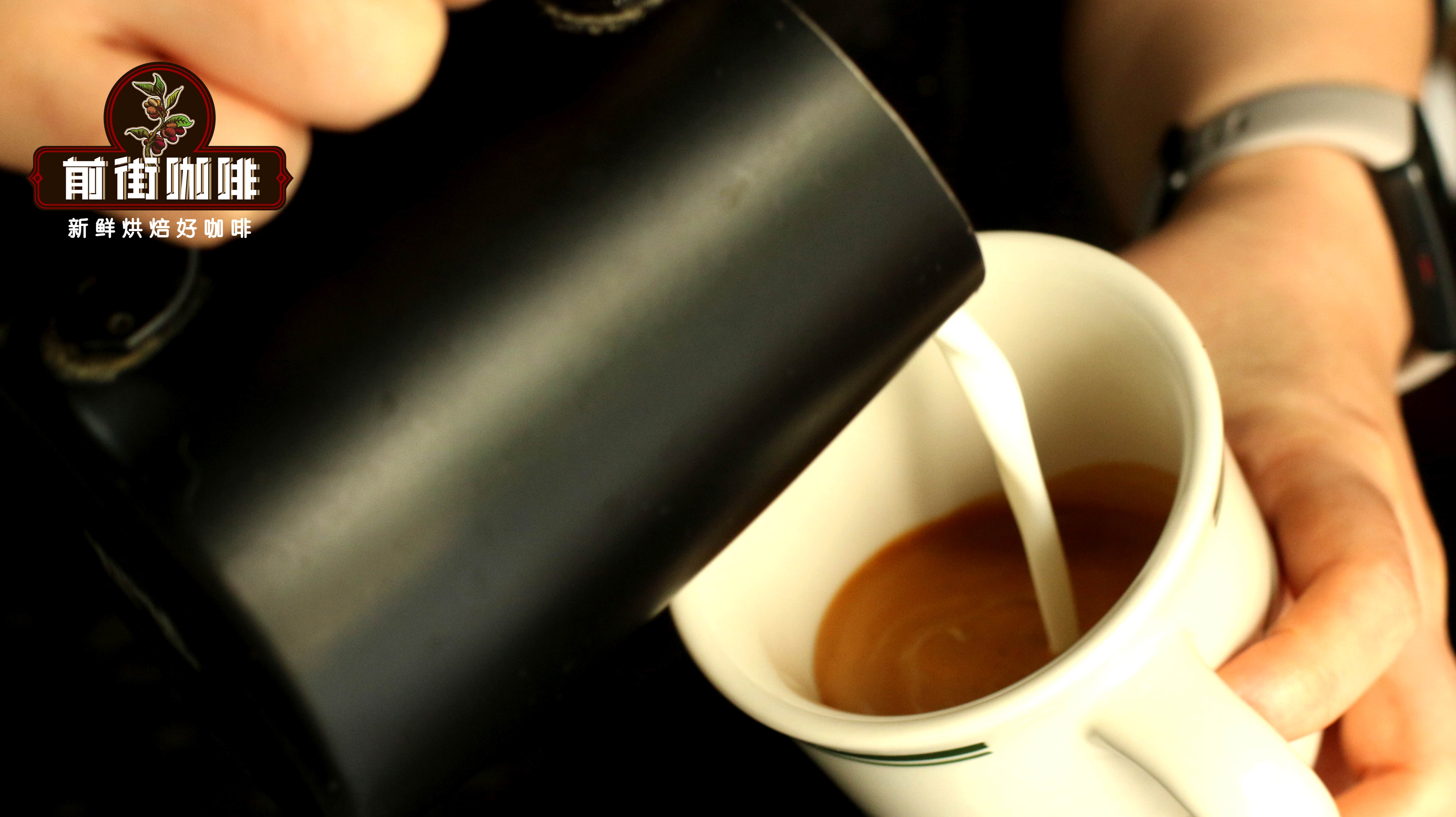
Although light-roasted beans are not superior in crema performance, they remain a worthwhile option for drinkers who prefer bright acidity and a refreshing taste. However, if you care more about the crema layering and the overall roundness of the espresso’s mouthfeel, medium to medium-dark roasted beans are a more practical and stable choice.
It’s worth mentioning that the greatest feature of SOE is its ability to highlight the flavor personality of a single origin, but it is also limited by this. For example, if you enjoy the fruity acidity and floral notes of Yirgacheffe but want a thicker mouthfeel, adjusting the roast curve may increase body but could sacrifice some of the bright fruitiness and delicate floral notes. In this case, “blending” becomes the best solution to balance flavor and mouthfeel.
By scientifically blending beans from different origins according to their flavor characteristics, blended beans can compensate for the shortcomings of a single origin, creating a more balanced and layered taste. This is also why many specialty coffee shops offer their own blended SOEs or espresso beans to meet the diverse needs of consumers.
Of course, if your budget allows, choosing high-quality single-origin specialty coffee beans as an SOE can also deliver a stunning flavor experience. For example, some beans with tropical fruit flavors like grapes or passionfruit can exhibit extremely high aroma concentration and complexity when brewed as espresso. However, these types of beans are usually more expensive and considered an advanced choice.
Going a step further, if you want to break out of the traditional SOE framework, you can also try blends based on specialty beans—for example, a medium-roasted Costa Rican Miramar blend, which can satisfy crema needs while offering candy-like aromas and complexity. It’s very suitable for coffee lovers who seek both flavor and mouthfeel.
In summary, when choosing an SOE coffee bean, in addition to paying attention to origin and flavor descriptions, you should also consider actual extraction performance, especially the generation and stability of crema. This article approaches the topic from the perspectives of roast level and crema performance, helping you understand why medium to medium-dark roasted beans are better suited for daily espresso, while also providing scenarios where light-roasted beans are appropriate, so you can make the most suitable choice based on your personal taste.
The above content is compiled by CoffeeHunters, a coffee news website.


