







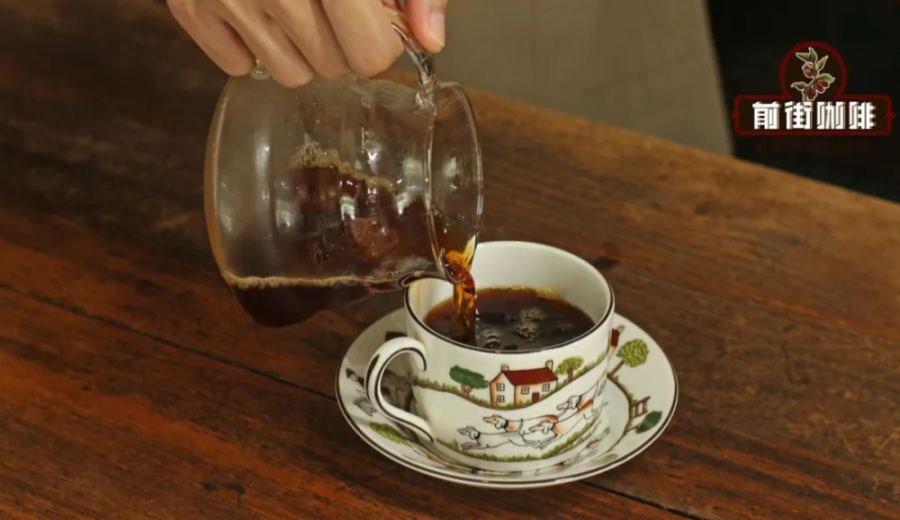
Introduction:The temperature of pour over coffee has a profound impact on flavor release and extraction strength. This article delves into how coffee tastes at different temperatures, explaining why proper heat enhances coffee's complexity. It also provides practical temperature control tips and measurement methods to help you refine your pour over skills and enjoy a better coffee experience.
Many coffee enthusiasts prefer to drink their pour over coffee while it's hot, but you might not have realized that temperature is one of the key factors affecting coffee flavor and extraction strength. Through scientific measurements with a coffee refractometer, we can clearly observe how different brewing temperatures affect the extraction results and taste profile of pour over coffee.
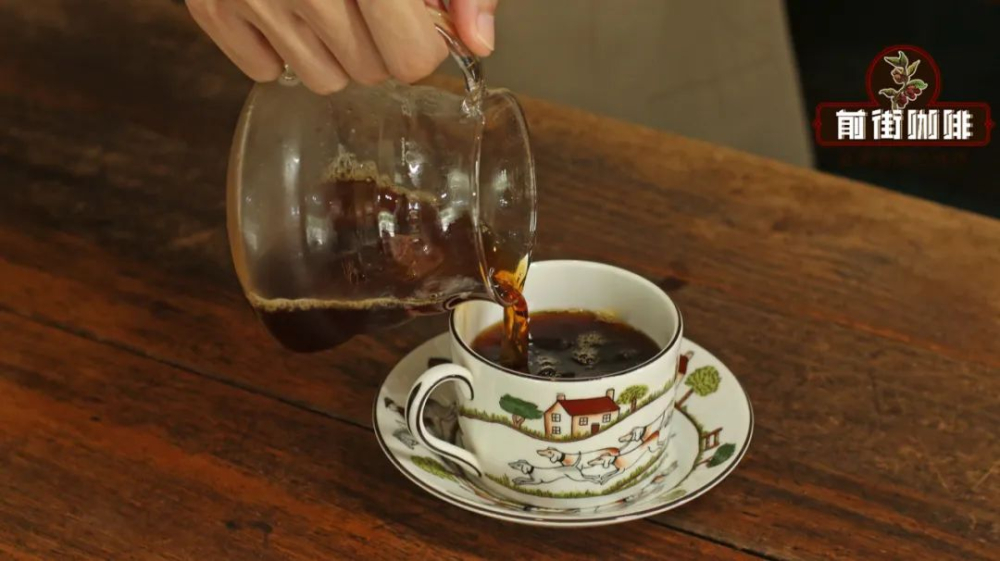
Generally speaking, the optimal drinking temperature range for pour over coffee is between 85°C and 95°C. Within this range, the acidity, sweetness, and bitterness of the coffee achieve a good balance. When the temperature is too high, the bitterness and astringency of the coffee may be amplified, while too low a temperature can make the acidity overly dominant, resulting in a thin overall flavor that fails to showcase the coffee's full complexity.
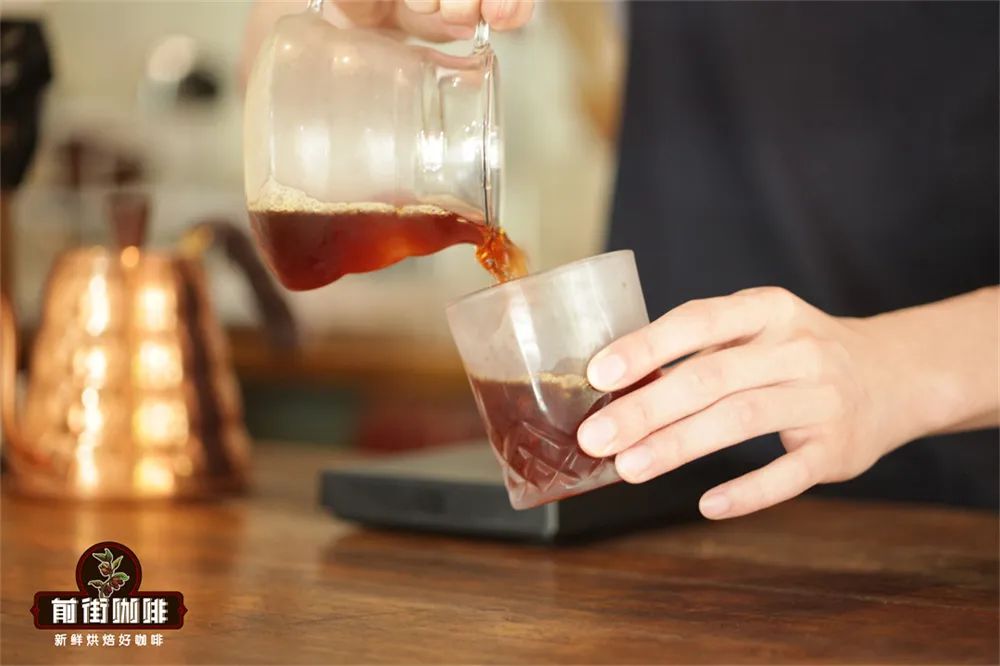
Why does hot coffee better showcase its full flavor? This is because at the right temperature, the volatile aromatic compounds in coffee are more effectively released, bringing rich fruit, floral, or caramel notes. Additionally, hot water can extract soluble substances from the coffee grounds more quickly and evenly, making the flavor profile more three-dimensional.
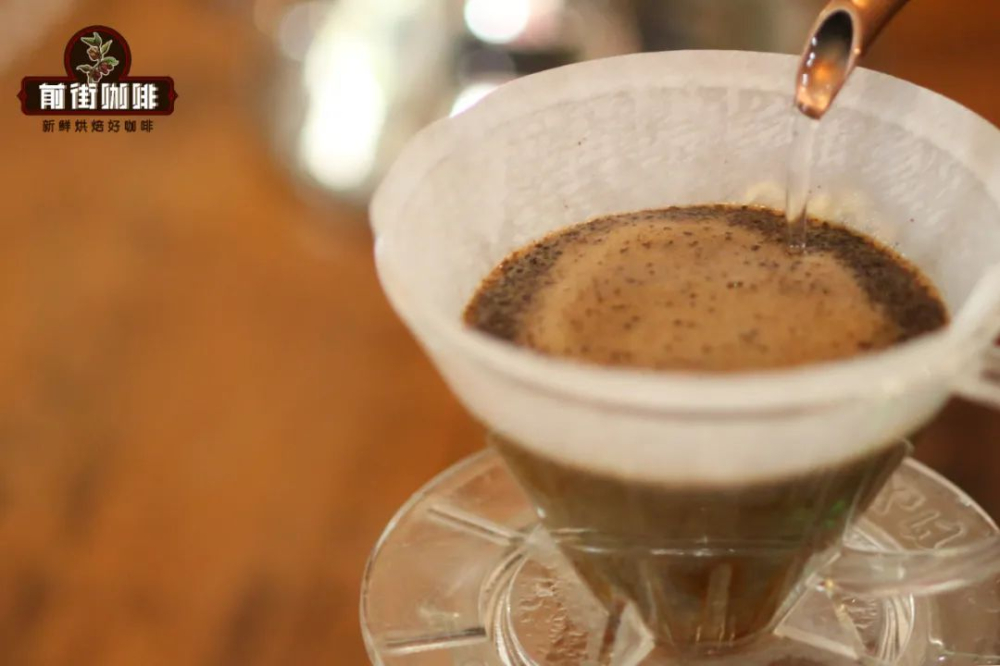
In practice, it's recommended to use a thermometer to confirm the brewing water temperature rather than relying solely on feel. The characteristics of different coffee beans also influence the choice of optimal brewing temperature. For example, light roast beans are usually suited to slightly higher water temperatures to fully bring out their bright acidity and fruity notes; medium to dark roast beans can be brewed at slightly lower temperatures to reduce the risk of over-extraction and achieve a smoother mouthfeel.
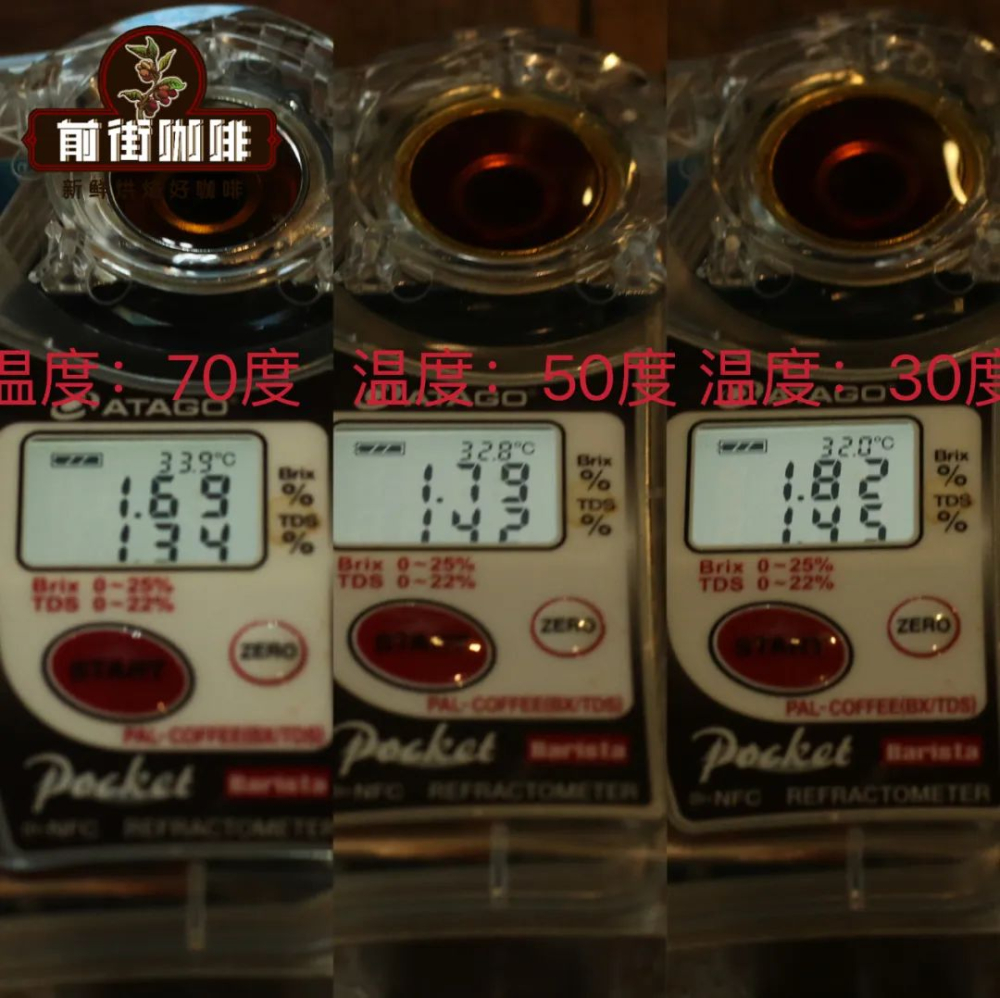
Furthermore, data from coffee refractometers shows that as temperature decreases, the measured concentration values of coffee also change. This isn't simply because the coffee cools down, but because the substances dissolved in the water vary with temperature, affecting the overall performance. Therefore, if you want to accurately understand the extraction state of your coffee, recording concentration data at different temperatures can be a very valuable reference.
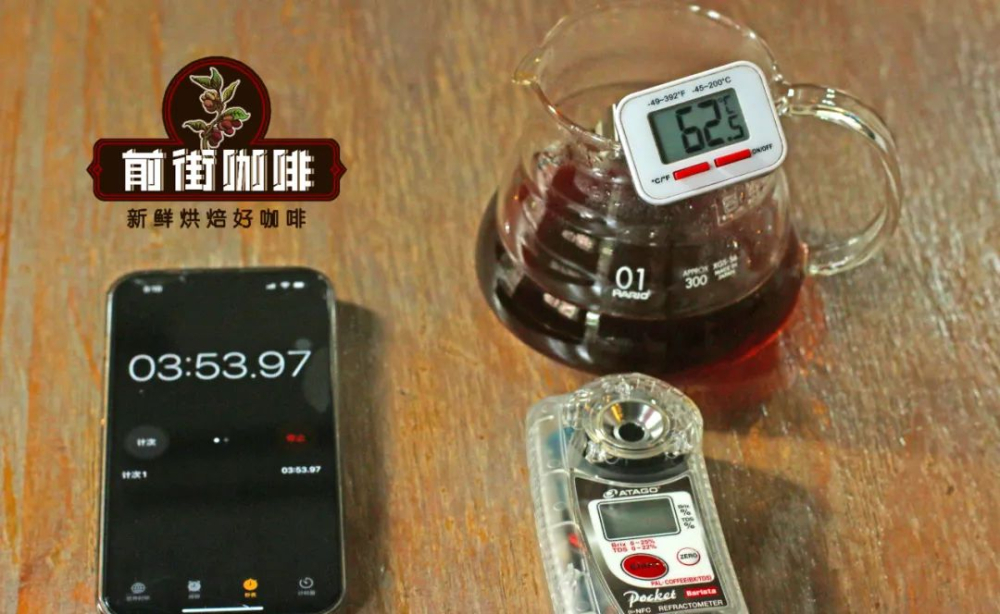
During daily pour over brewing, there are also some small techniques that can help stabilize temperature and flavor. For example, preheating your brewing equipment, pour over kettle, and server can effectively reduce heat loss; maintaining a steady water flow during brewing and paying attention to precise control of the coffee-to-water ratio can further enhance extraction consistency. Though these details may seem minor, they have a significant impact on the final coffee quality.
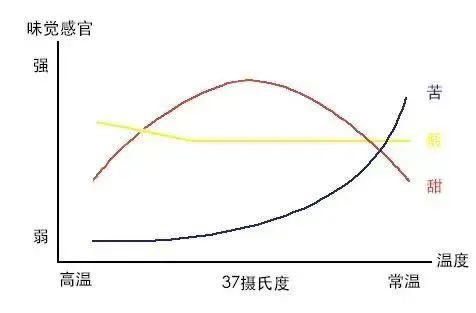
In summary, mastering temperature variations in pour over coffee not only helps you better understand the flavor characteristics of coffee but also allows you to adjust your brewing strategy in different situations to achieve the most ideal drinking experience. Whether you're a beginner or a seasoned coffee enthusiast, this practical knowledge will add more possibilities to your pour over journey.
The above content is compiled by CoffeeHunters, a coffee news website.


