








Introduction:When the well-known beverage brand Momochat was embroiled in a health controversy over allegations of using powdered creamer, consumer trust in "premium healthy drinks" was put to the test. This article delves into how the brand responded to the criticism by introducing a new formula milk base, covering everything from ingredient selection to production standards. It explores the key aspects of transparent beverages and discusses the brand’s concrete actions to rebuild trust.
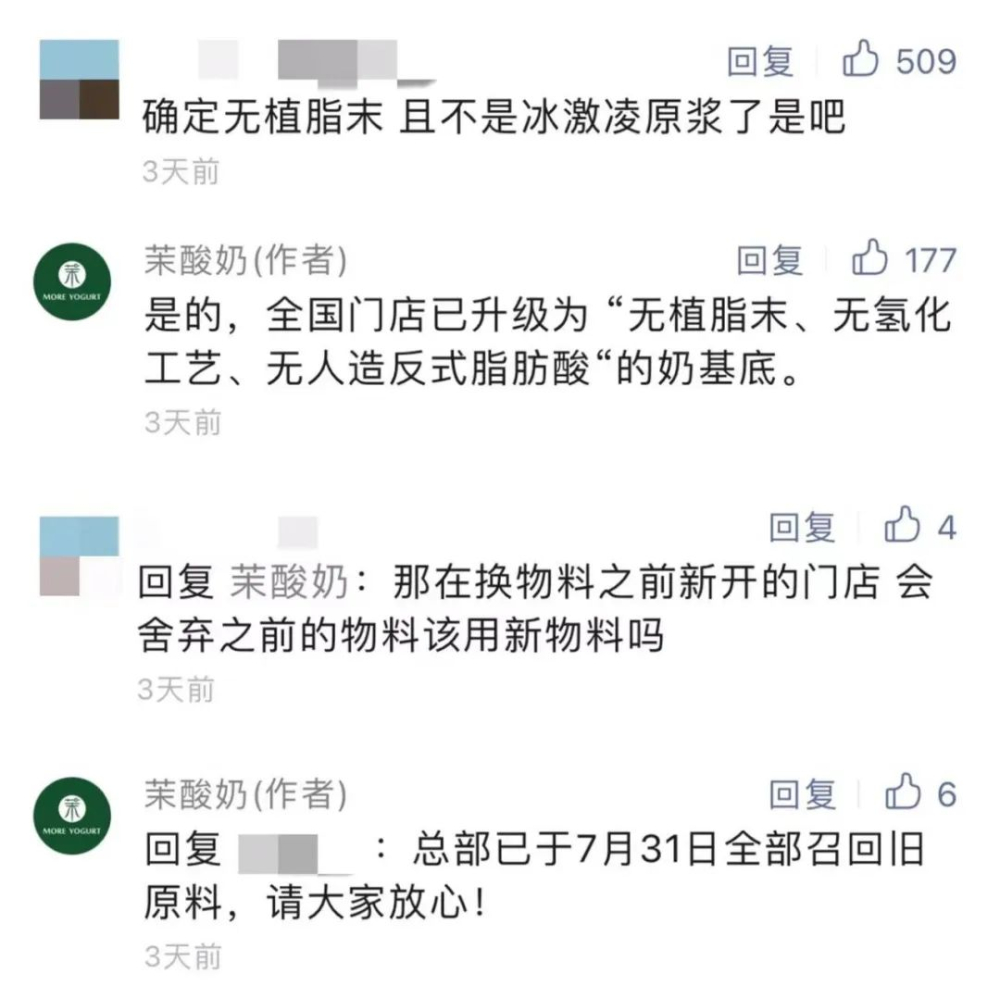
Recently, Momochat, a beverage brand that positions itself in the high-end healthy market, sparked widespread discussion after its products were suspected of containing powdered creamer. Even before the controversy erupted, many consumers had already questioned its relatively high pricing and lack of ingredient transparency. On August 4 this year, the brand officially announced that starting August 1, all stores had gradually begun adopting a new formula milk base, emphasizing that the new product is “free from powdered creamer,” uses a “non-hydrogenated process,” and is “free from artificial trans fats,” in an effort to calm market concerns.
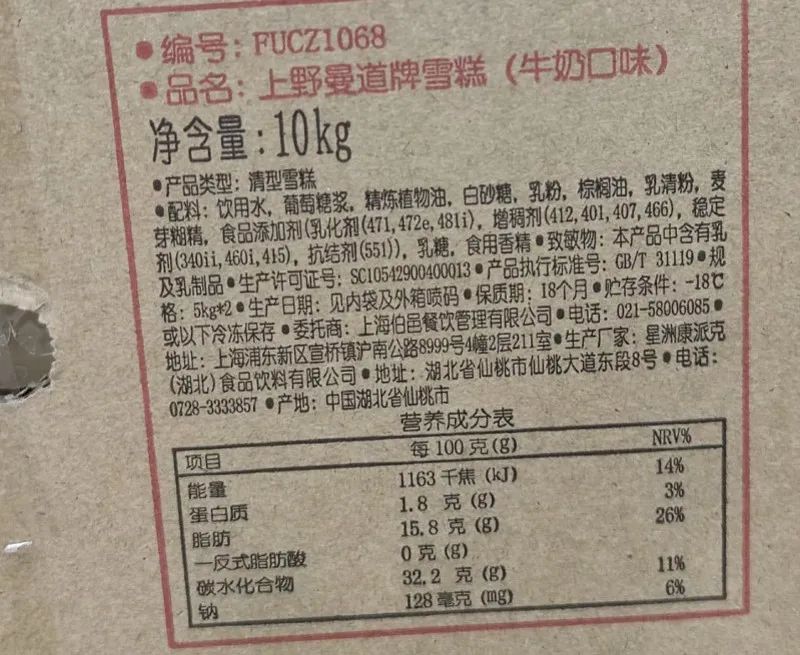
The spark for this uproar came from a viral online experiment by a netizen — “gained 6 pounds in 5 days of drinking it.” Although the brand explained that powdered creamer was only used as a flavoring auxiliary, when combined with other ingredients like ice cream mix, a so-called “low-calorie fruit yogurt” priced over 30 yuan actually contained nearly the same calories as five bowls of white rice. This result was far from what health-conscious consumers expected, leaving many who saw it as a light meal option deeply disappointed.

In today’s environment where both coffee and healthy beverages are receiving increasing attention, the choice of ingredients and the transparency of information have become key factors in whether a brand can earn long-term consumer trust. Just as the specialty coffee industry emphasizes the quality control philosophy of “starting with the beans,” the selection of base ingredients for beverages also affects overall flavor and health attributes. Momochat’s comprehensive upgrade of its milk base is precisely a response to the market’s strong demand for “real ingredients” and “honest labeling.”
The three promises of the new milk base — no powdered creamer, no hydrogenation technology, and no artificial trans fats — reflect modern consumers’ pursuit of a “clean label.” A clean label refers to products with simple, natural, and easily understandable ingredients, avoiding artificial additives or overly processed raw materials. For health-conscious consumers, these details are often crucial factors in deciding whether to purchase and continue consuming a product.
However, rebuilding trust is not an overnight task. In addition to disclosing the technical specifications of the new formula, brands also need to provide continuous information disclosure — such as the source of ingredients, nutritional composition ratios, and production standards — in order to gradually repair their relationship with consumers. For premium beverage brands like Momochat, every product adjustment and communication is a practical test of the brand’s commitments.
Notably, this incident also highlights the issue of the gap between pricing and actual nutritional value. Many consumers, when choosing “healthy beverages,” often use price as a reference for quality but overlook the importance of carefully examining nutrition labels. Experts suggest paying closer attention to key data such as calorie count, sugar content, and fat levels when shopping, and prioritizing products with simple ingredients and no artificial additives to truly achieve the goal of healthy eating.
From the perspective of the coffee industry, the transparency of ingredients and the integrity of processing methods have always been core to building brand loyalty. Whether it's the emphasis on bean variety and roast level in pour over coffee, or the choice of base ingredients in ready-to-drink beverages, consumers are increasingly valuing “source-to-cup” quality control. Momochat’s milk base upgrade undoubtedly provides an opportunity for reflection and learning for the entire beverage industry.

In summary, although the powdered creamer controversy initially shook consumer confidence in Momochat, the brand quickly responded with a new formula and pledged to continuously improve the health attributes of its products, demonstrating a sincere commitment to adjustment and improvement. Whether it can truly regain market trust in the future will depend on long-term consistency in quality and transparent communication strategies. For consumers, maintaining awareness and judgment regarding product ingredients remains key to safeguarding their own dietary health.
The above content is compiled by CoffeeHunters, a coffee news website.


