







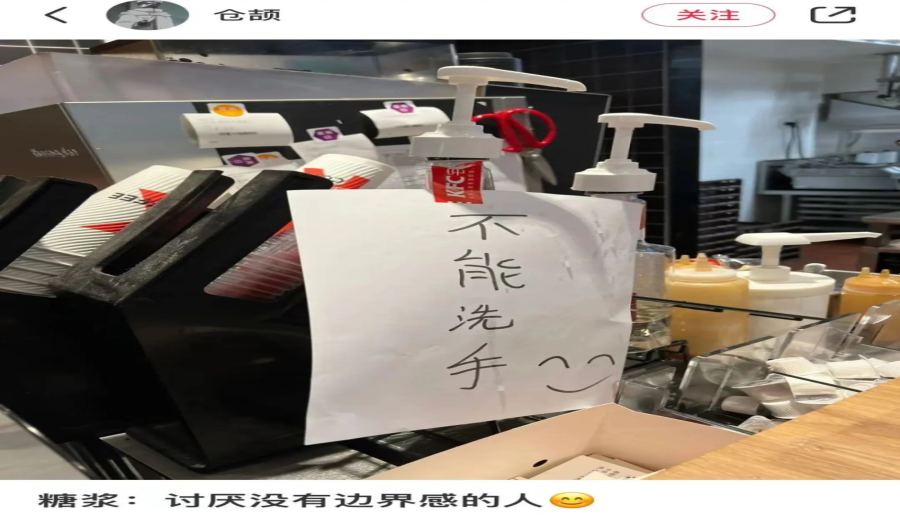
Introduction:It’s not uncommon for syrup bottles commonly found on café counters to be mistaken for hand sanitizer — some customers have even been seen pressing them to rub their hands, prompting baristas to post “Do Not Wash Hands” signs. Ironically, these signs have sometimes been criticized as stingy. This article compiles common examples of item misuse in cafés, including syrups, filter paper, and filtration sinks, analyzes the reasons behind them, and offers proper usage suggestions to help reduce friction between customers and staff, thereby enhancing the overall café experience.
At café counters, it’s a frequently heard story that customers mistake syrup bottles for hand sanitizer and press them to rub their hands. Some shop owners have even resorted to posting “Not for Hand Washing” signs on the bottles, only to unexpectedly face criticism for being stingy. In truth, such misunderstandings are not rare — they also include coffee filter paper being used as napkins, and filtration sinks being treated as hand-washing areas, leaving many baristas both amused and exasperated.
According to netizen posts, at the coffee section of a certain chain fast-food restaurant, a sign reading “Not for Hand Washing” was once placed on a syrup bottle, sparking online discussion. It’s understood that this action may have been taken after multiple instances of customers mistakenly using the syrup to rub their hands, which continued despite staff warnings. The shop eventually opted to label the bottle directly as a reminder. Many internet users only realized upon seeing the photo that what they thought was hand sanitizer was actually coffee syrup used for drink preparation.
Such misunderstandings often stem from the placement of items on the counter. In some cafés, syrup bottles are positioned near the coffee machine or pickup area, and their appearance is similar to that of common hand sanitizer bottles, making confusion likely. Especially during the pandemic, when people became accustomed to washing their hands before eating, the chances of misuse increased further.
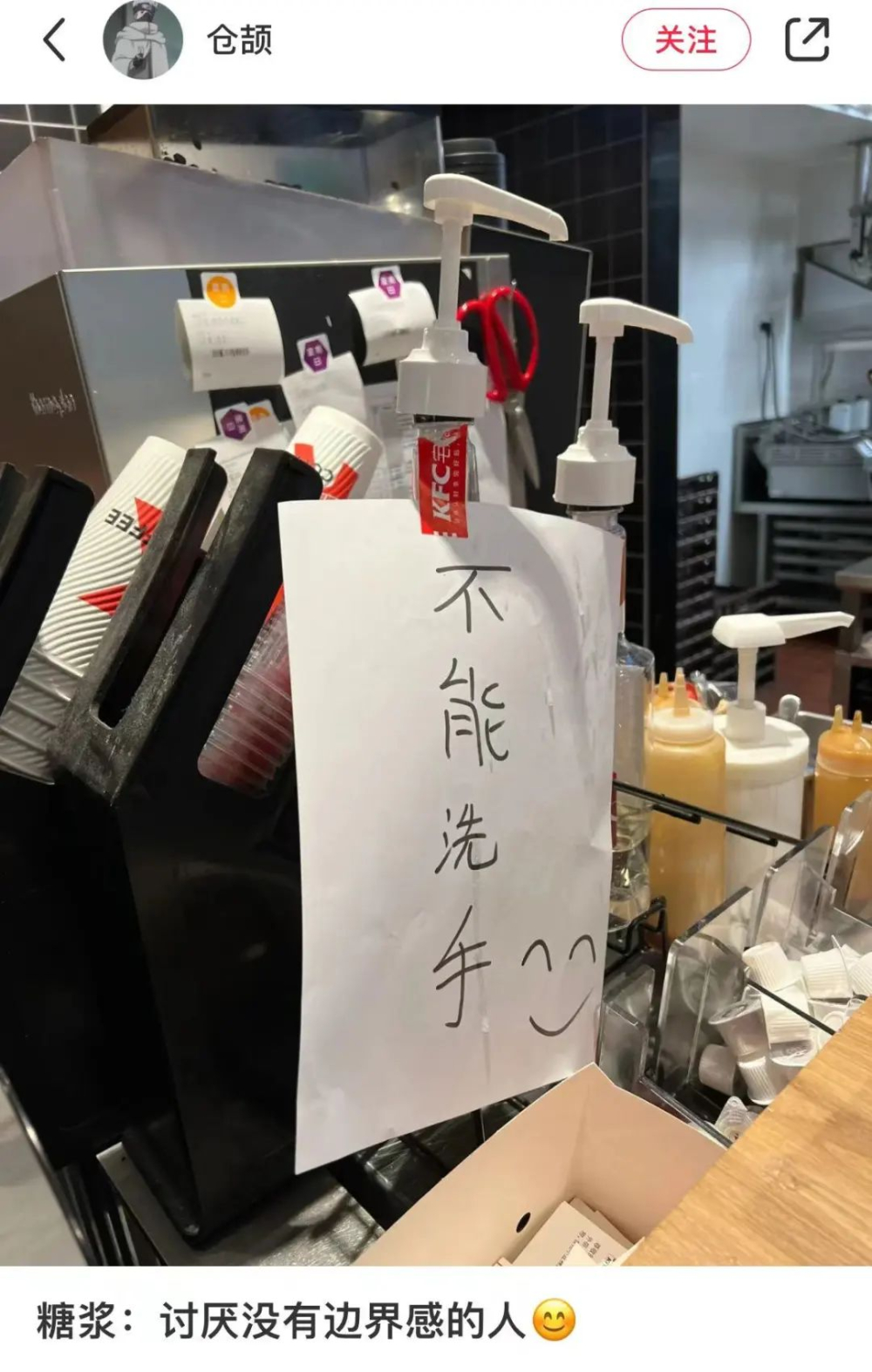
Besides syrup, coffee filter paper is another common item subject to misuse. Many customers mistake the filter paper on the counter for napkins, picking it up to wipe their mouths or hands — only to complain about its rough texture or odd size, and even citing it as a reason for a poor dining experience. To prevent such occurrences, many shops have labeled their filter paper holders with signs like “This is coffee filter paper, not for customer use,” yet some customers still ignore the notice and use it anyway.
Another area prone to misuse is the filtration sink located behind the counter. Due to its proximity to the operational area, some customers enter the counter space without permission to use the sink for washing their hands or face. Even when shops post signs saying “Staff Area, No Entry” or “Filtration Water Only, Not for Cleaning,” such behavior remains difficult to eliminate.
Regarding these common misconceptions, experts recommend that customers observe their surroundings and any posted signs before using any items in a café, and follow the principle of “do not touch unless it is clearly for customer use.” Particularly around the counter and food pick-up areas, according to food safety regulations, these are generally considered staff-operated zones, and customers should not enter them without authorization. If needed, customers should first politely ask the barista.
In summary, avoiding the misuse of café counter items hinges on staying alert and respecting in-store rules. By correctly identifying the purposes of syrups, filter paper, and filtration sinks, not only can the hygiene and order of the café be maintained, but interactions between customers and staff can also become smoother and more pleasant. Next time you visit a coffee shop, remember to take an extra look — and steer clear of these small counter pitfalls.
The above content is compiled by CoffeeHunters, a coffee news website.


