








Introduction:Cold brew coffee, known for its simple preparation and refreshing flavor, has become a staple beverage in many coffee lovers' homes. However, while enjoying its cool and rich taste, many have noticed an oily layer floating on the surface of the cold brew and worry if it has gone bad or if the equipment is not clean. This article delves into the extraction principles of cold brew, the sources of the oil, filtration techniques, and shares practical tips to enhance clarity and flavor. It also recommends several coffee beans well-suited for cold brewing, helping you easily brew a clean and bright cup of coffee.
Cold brew is the top choice for many coffee enthusiasts to make at home. All you need is a sealable container and a suitably cool environment, then let it steep for a few hours. This method is not only simple in steps but also has low requirements for equipment and materials, making it ideal for beginners. Especially during hot summer months, a glass of chilled cold brew can provide an excellent cooling experience.
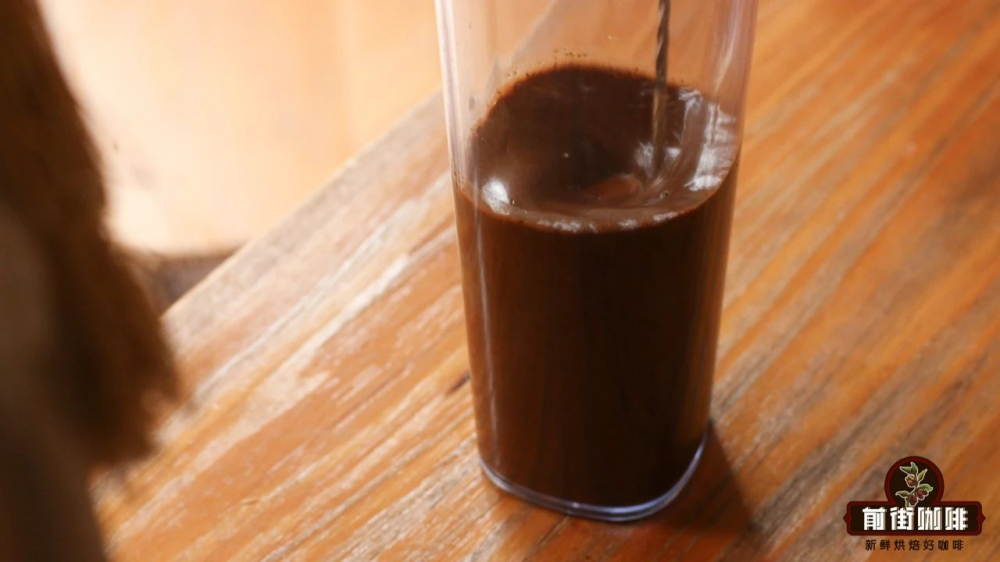
However, in practice, some coffee lovers find an oily sheen floating on the surface of their cold brew, leading them to wonder if the coffee has spoiled or if the equipment isn’t clean enough. In reality, this seemingly unusual layer of oil is closely related to the extraction characteristics of cold brew. Understanding its origin and how to handle it can help improve the clarity and taste of your cold brew.
The so-called "oil sheen" does not come from crema formed under high temperatures, but rather from coffee oils that condense in a low-temperature environment. During the cold brew process, the oils released from the coffee beans are not carried away in large amounts as they are in hot brewing. Instead, they are gradually released in the cold and eventually condense on the surface, forming a visible oil film or flocculent floaters.

Cold brew is extremely flexible when it comes to container requirements. Whether it’s a dedicated cold brew maker, plastic bottle, glass jar, or even a French press, as long as it can be sealed and kept clean, it can be used for cold brewing. For this reason, many people opt to use containers they already have at home, avoiding the hassle of buying additional gear.
As for the filtration stage, commonly used tools include cold brew makers with built-in filters, metal filters, filter paper, and flannel. Each filtration tool has different pore sizes and varying capabilities in intercepting fine grounds and oils. For example, some filters may have a certain level of fineness but still might not fully block tiny coffee particles and oils, which can affect the final clarity and taste of the drink.

If you want to further enhance the clarity and smoothness of your cold brew, it is recommended to use a finer filter paper for a second filtration. High-density filter paper can effectively trap the vast majority of coffee fines and over 80% of the oils, resulting in a clearer final liquid and a smoother mouthfeel. Although trace amounts of oil may still pass through, forming an extremely thin film, the impact on overall flavor is minimal.
The cold brew that has undergone secondary filtration is recommended to be refrigerated for a few more hours to allow its flavor compounds to further stabilize and integrate. This not only helps reduce impurities but also brightens acidity and makes the overall flavor more balanced. This extra step is well worth it for coffee enthusiasts aiming for high-quality cold brew.
The choice of coffee beans also greatly affects the final outcome of the cold brew. For those who prefer bright fruit acids and floral notes, try washed-processed Central American beans with subtle white flower and berry profiles. If you enjoy rich fruit aromas and sweetness, choose beans with wine-like and syrupy textures—these often showcase more layered fruit flavors after cold brewing.
Finally, never overlook the cleanliness of your cold brew equipment. Since condensed oils tend to adhere to filter screens and container walls, failure to clean them thoroughly over time can lead to the buildup of odors, which can affect the flavor of subsequent brews. It is recommended to carefully disassemble and clean the filter and container after each use. Especially with frequent use, regular deep cleaning is essential to ensure every cup of cold brew remains as clean and pure as possible.
The above content is compiled by CoffeeHunters, a coffee news website.


