







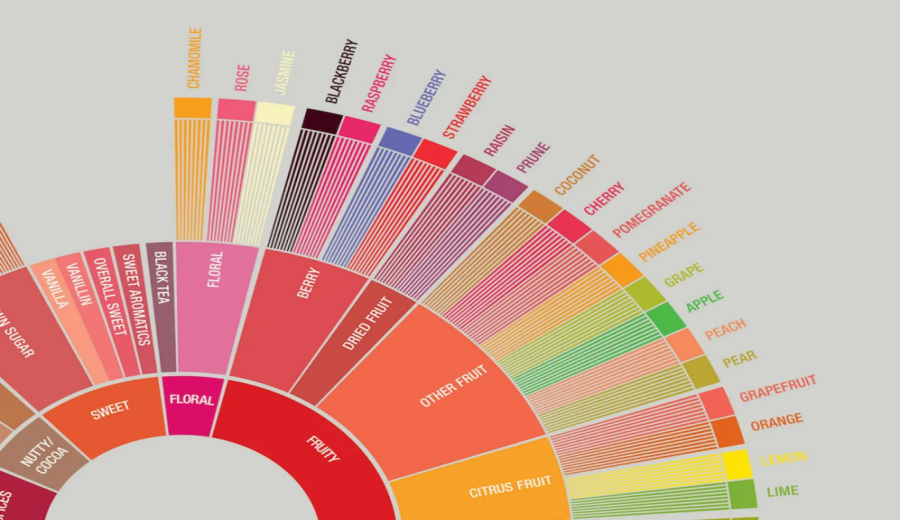
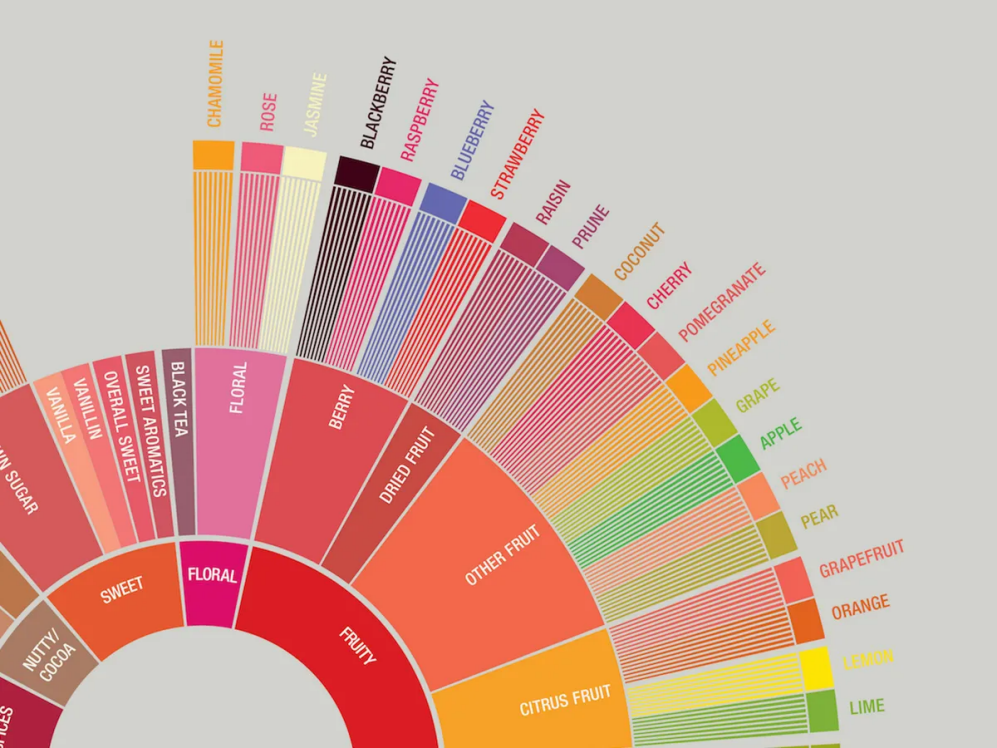
Introduction:Many coffee brewers who enjoy fruity-flavored brews often struggle with improper extraction that leads to flavor loss—not under-extracted acidity that’s thin and sour, or over-extracted bitterness that’s harsh and astringent. Based on practical industry experience, this article uses Kenyan beans as an example to deeply analyze how to precisely control grind size, water temperature, and pouring techniques to bring out the bright and vibrant fruit notes in coffee, allowing you to brew a pour over at home that is as bright, rich, and layered as fruit juice.
Many coffee enthusiasts, when selecting beans, are easily drawn in by flavor descriptions on the packaging such as “tropical fruit” or “citrus notes.” However, when they actually go to brew, they often find the resulting cup either overly bitter and astringent from over-extraction, or thin in acidity, lacking layers and sweetness—completely failing to deliver on the enticing description. Such frustrations are also frequently reported by readers, prompting us to specifically compile a set of practical extraction techniques and parameter suggestions aimed at bringing out the “juicy” character in coffee.
Take Kenyan beans, known for their vivid and lively flavor profile, as an example. These high-altitude African-grown beans naturally possess bright citric acidity, a wine-like body, and aromas of berries. If brewed correctly, they can easily showcase a juicy, vibrant character reminiscent of freshly squeezed juice during the pour over process. But with incorrect parameters or techniques, these wonderful flavors can just as easily vanish—or worse, the flaws may be amplified.
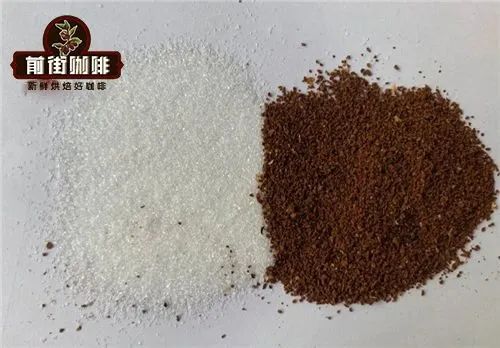
First, grind size selection is absolutely crucial. Kenyan beans, being dense and tightly structured, are recommended to be ground to a medium-fine level—slightly coarser than granulated sugar, or set your hand grinder to a setting of 10–12 (depending on the grinder model). Too coarse a grind will cause water to pass through too quickly, leading to under-extraction where acidity stands out but lacks the sweetness to support it; too fine a grind can easily lead to over-extraction, where bitterness overshadows the fruitiness.
For water temperature, we recommend using hot water between 90–92°C. This temperature range helps to highlight the citric acid, berry aromas, and sugar compounds in Kenyan beans, without becoming too intense or bitter due to excessive heat. If using beans that are freshly roasted, you may slightly lower the temperature to 89–90°C to avoid over-extraction and flavor imbalance.

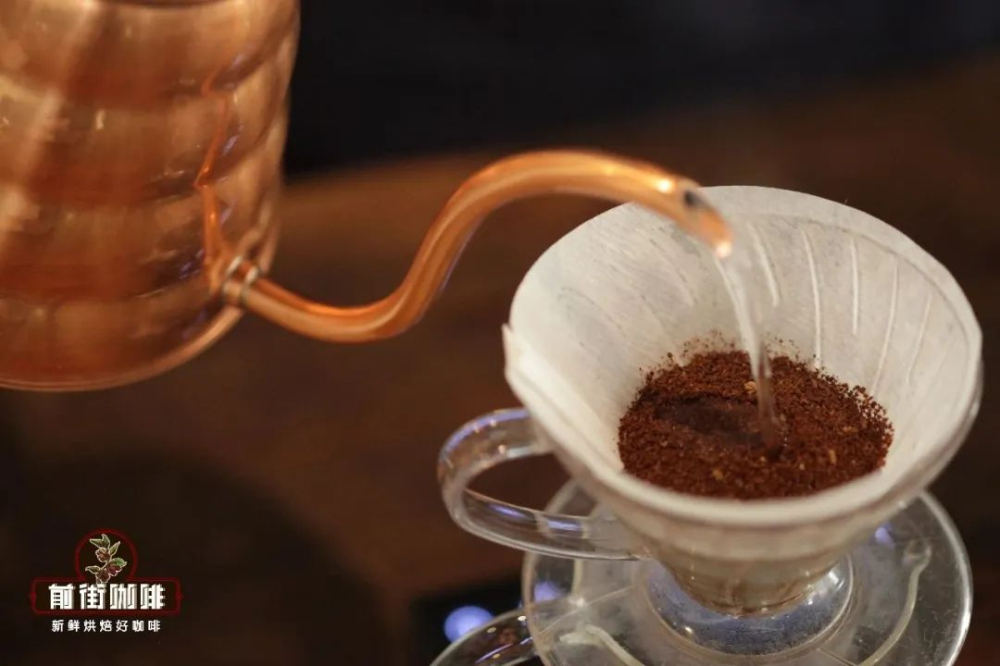
Next comes the pouring technique, which is also key to bringing out that “juicy” coffee character. We recommend using a pulse pouring method—start with a short bloom phase using about 2–3 times the coffee weight in water (for example, 30–45g of water for 15g of coffee), for around 30 seconds. This step helps to awaken the aromatic molecules in the coffee grounds. Then proceed with the main pour, keeping total water volume between 240–260g (approximately a 1:16 brew ratio), which can be done in two to three pours. Maintain a steady pour speed, using either a spiral or center-outward motion to ensure even saturation of the coffee bed in the filter.
During the pouring process, keeping the water flow stable and not overly aggressive can help reduce channeling, thereby avoiding localized over-extraction or uneven extraction. In addition, it is recommended to keep the total brew time between 2 minutes and 2 minutes 30 seconds; too long can result in a dull cup with off-flavors.
Some brewers may ask, why is it that even when following the above suggestions, the fruit flavors still aren’t noticeably present? At this point, you can check for a few common pitfalls: first is the roast level of the beans—Kenyan beans are usually medium-light roasted, whereas if you’ve bought a medium-dark roast, those fruit characteristics might have been masked by caramelization reactions. Second is water quality—filtered or soft water is recommended to avoid mineral interference in extraction. Third is the choice of pour over device—vessels like the V60, which have good water permeability, can more effectively highlight fruit tones. In contrast, some thicker or internally complex designs may affect flow rate and flavor expression.
In addition, some readers have shared their experiences saying that when they first started trying, they were always worried the coffee wouldn’t be strong or intense enough, so they unconsciously extended the brew time or increased the water temperature, only to end up with a bitter and astringent cup. In reality, Kenyan beans already have sufficient flavor intensity—the key lies in balancing acidity, sweetness, and aroma through appropriate extraction, letting the fruit character emerge naturally.
In summary, to brew a bright, lively Kenyan pour over at home that’s as fruity as juice, the key lies in mastering the core parameters of “medium-fine grind,” “90–92°C water temperature,” “1:16 brew ratio,” and “stable, segmented pouring,” then fine-tuning according to your own taste preferences in practice. Remember, there is no absolute standard for pour over—it’s all about finding the extraction method that best suits your palate through repeated experimentation.
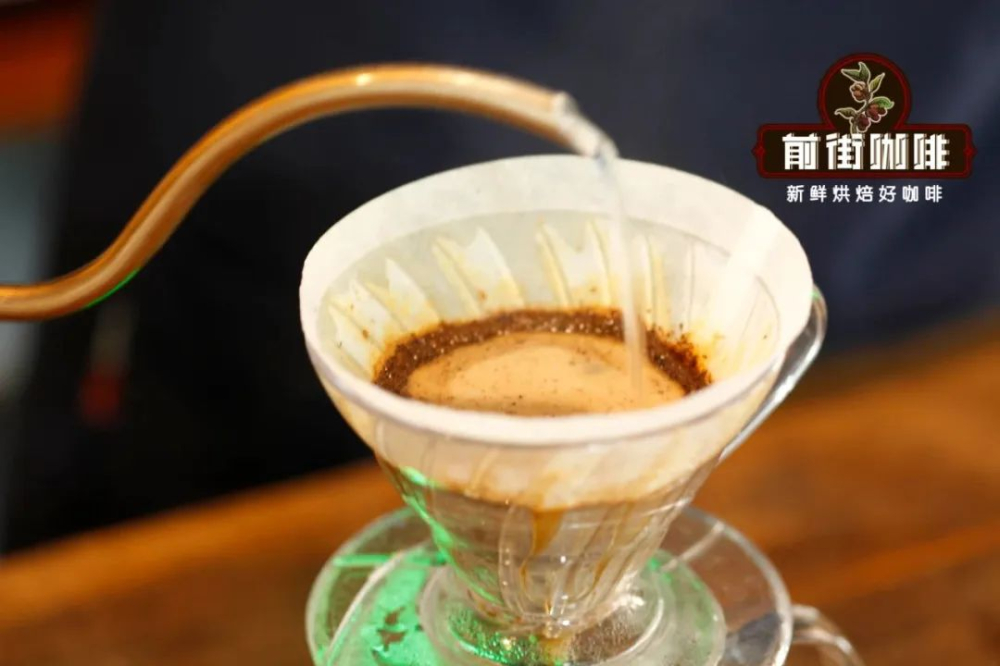
When you gradually adjust your grind, water temperature, and pouring technique, and finally taste that bright acidity, delicate sweetness, and clear fruit aroma in your cup, you’ll truly come to appreciate the charm of what we call a “juicy” pour over. It’s not just a taste experience—it’s a deep exploration of the nuanced details of coffee flavor.

The above content is compiled by CoffeeHunters, a coffee news website.


