







Introduction:Once considered a new darling of coffee shops, oat milk has gradually fallen out of favor in the market. This article delves into the reasons behind Oatly’s cumulative losses exceeding 4.4 billion RMB from 2019 to 2022, including over-reliance on the B2B market, the impact of the pandemic, difficulties in expanding the C2C market, and controversial marketing strategies. It also explores the health debates surrounding plant-based milk and the future challenges in the Asian market, helping readers understand the true positioning and development bottlenecks of oat milk in the coffee industry.
Oat milk coffee was once a highlight of plant-based beverages, and the Oatly brand rapidly rose to prominence because of it. However, as market trends have shifted and consumer interest has waned, the use of oat milk in coffee shops is gradually declining. This article will analyze the multiple factors behind Oatly’s cumulative losses of over $641 million (approximately 44.1 billion RMB) from 2019 to 2022, including an over-concentration on the B2B market, the impact of the pandemic, weak expansion in C2C sales, and a series of marketing tactics that sparked discussion.
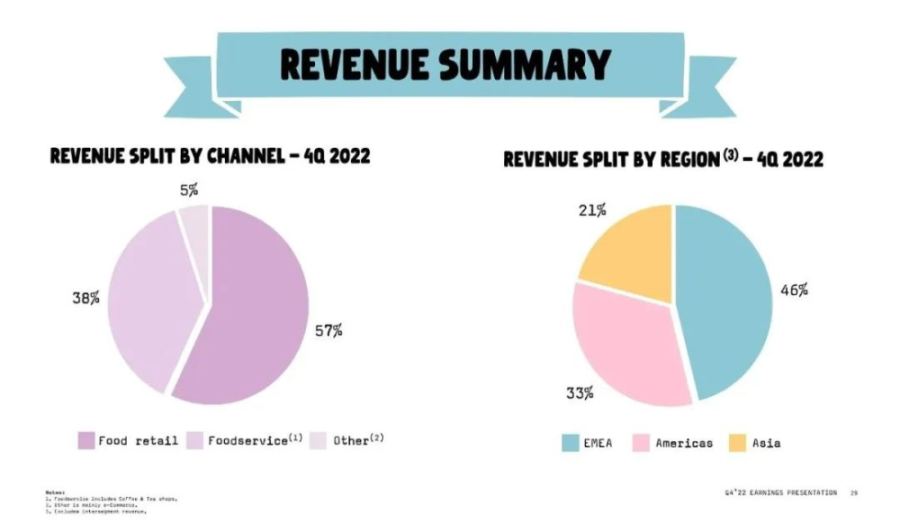
Notably, even though Oatly saw some sales growth in the Asian market (especially in China) in 2022, its overall financial performance remained less than ideal. From 2019 to the 2022 fiscal year, Oatly’s cumulative losses amounted to as much as $641 million, equivalent to approximately 44.1 billion RMB. Such figures reflect multiple underlying concerns in the brand’s market strategy.
Firstly, Oatly’s market strategy has been overly focused on the B2B sector (business customers), such as coffee shops and large chain brands, while relatively neglecting the C2C (general consumers) segment. Although it has also launched retail oat milk products for consumers, their relatively high pricing makes it difficult to compete in price-sensitive markets, resulting in sales far lower than those through B2B channels.
While the B2B market can bring stable orders in the short term, once external shocks occur, risks tend to concentrate and erupt. For example, the COVID-19 pandemic led to the prolonged closure of many coffee shops globally. Even after operations resumed, businesses became more conservative about purchasing higher-cost oat milk, preferring more affordable traditional milk or other common plant-based milks to maintain product cost-performance.
A significant portion of Oatly’s heavy losses in 2022 was due to its failure to adjust its strategy in a timely manner. In 2021, the brand had hoped to further penetrate the market through its collaboration with Starbucks China. However, the Shanghai lockdown in 2022 severely impacted its local business. Oatly’s CEO had to admit: “We have a considerable proportion of our operations in Shanghai. In the first quarter alone, over 17,000 partner stores suspended operations due to the lockdown.”
Additionally, in the Chinese market, since the proportion of lactose intolerance is relatively low, consumers often choose oat milk out of novelty, or due to alignment with concepts like “health” and “environmental protection,” rather than as a daily necessity. However, the relatively high retail pricing of oat milk means that once B2B demand drops sharply, the consumption momentum in the C2C market struggles to sustain brand growth.
Beyond the limitations of its market strategy, Oatly has also repeatedly sparked controversy in brand management and marketing approaches.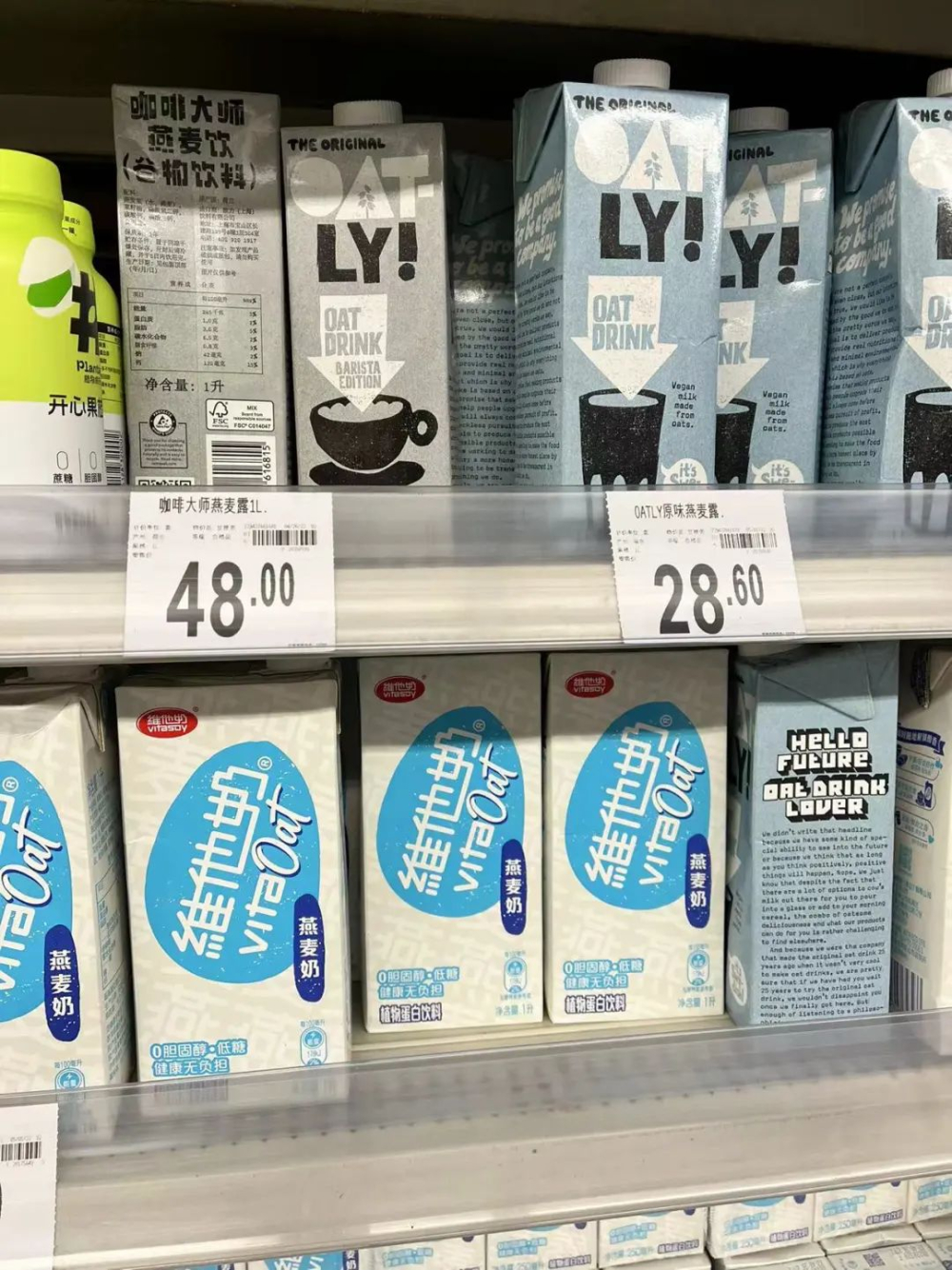 Initially, Oatly emphasized environmentalism and veganism, using journals and professional promotions to highlight how oat milk is more environmentally friendly than cow’s milk, with reduced carbon emissions and water usage. The brand also actively visited high-end coffee shops in the U.S., promoting the “health” and “sustainability” aspects of oat milk to baristas.
However, oat milk has a relatively bland taste and performs mediocrely when paired with various flavored ingredients. After the initial wave of consumer curiosity, interest gradually waned. Coupled with the ongoing impact of the pandemic, in 2022 Oatly even attempted to trademark the term “Barista” (coffee professionals) to gain market attention, which provoked backlash within the industry.
In September 2022, Oatly applied to the Intellectual Property Office of New Zealand to register the trademark “Barista,” but was opposed by Bidfood, which pointed out that the term is commonly used for various plant-based milk products in the region and is a generic name that should not be monopolized by a single brand. Although Oatly claimed consumers would directly associate “Barista” with its brand, this move was still seen as excessive marketing.
Even more controversial was Oatly’s public challenge in October of the same year to the World Barista Championship (WBC) rule that only allows the use of cow’s milk, which was viewed as a direct challenge to the conventions of the specialty coffee industry.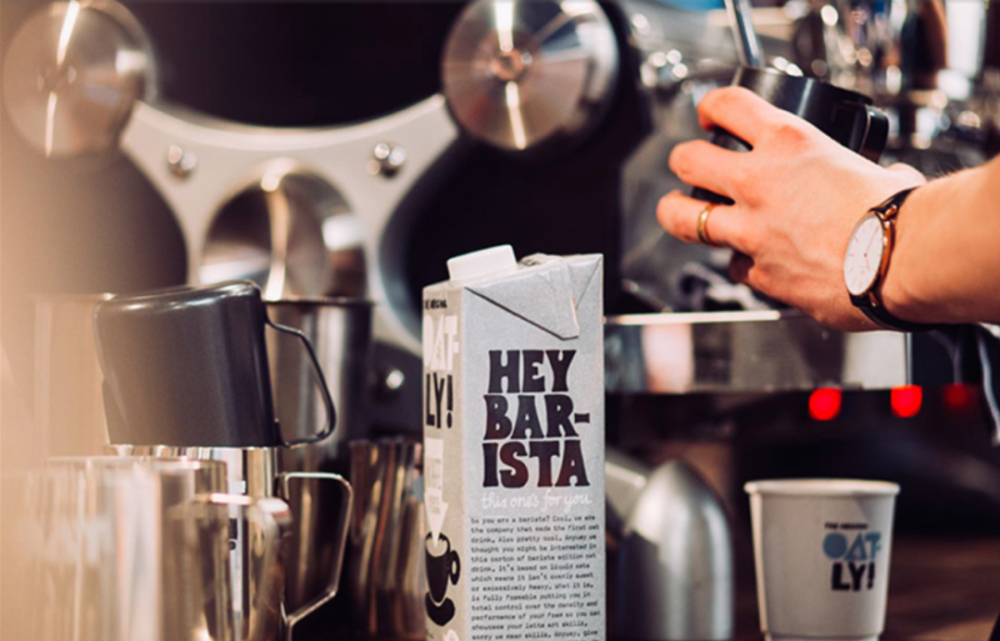 The brand also invested in producing a movie called “Coffee Wars,” which depicts a barista who insists on using oat milk struggling in an unrecognized environment and trying to prove the potential of plant-based milk through competition. However, the film, due to its paywall model and limited subject matter, failed to resonate with the public and garnered limited viewership.
Looking ahead to 2023, Oatly’s CEO stated that the company plans to actively re-enter the market after the pandemic, with a particular focus on the Asian region. The strategy includes expanding the distribution network, launching new products, and improving operational efficiency to reverse the downturn. However, as Asian consumers increasingly demand diverse and innovative beverage flavors, oat milk may struggle to continuously attract market attention if it cannot break through the limitation of its one-dimensional taste.
Moreover, the debate over whether plant-based milk is truly “healthy” has persisted. To enhance the taste of oat milk, many brands add large amounts of vegetable oil and sugar, which may actually increase calorie intake and run counter to the original intent of healthy eating. As a result, consumer perceptions of whether oat milk can truly “replace cow’s milk” have gradually become more cautious and reserved.
In summary, the fading enthusiasm for oat milk coffee not only reflects changes in market demand but also reveals multiple challenges for the brand in terms of strategy adjustment, product innovation, and marketing communication. For coffee professionals and consumers alike, understanding these underlying factors can help make more rational judgments when choosing beverages and suppliers.
The above content is compiled by CoffeeHunters, a coffee news website.


