







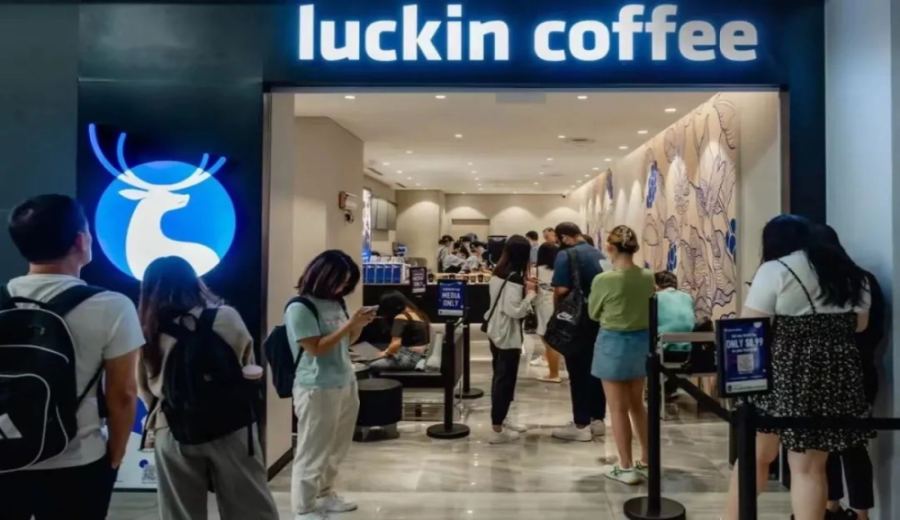
Introduction:Luckin Coffee has officially launched in the Singapore market, but its initial pricing strategy has immediately sparked heated discussion among local consumers. From its first-cup promotional price to regular pricing, its product costs are comparable to those of Starbucks, yet without offering additional discounts — leading many netizens to label it as “not consumer-friendly.” This article will delve into Luckin’s pricing approach and product positioning in Singapore, comparing how local consumers view it against traditional coffee shops and homegrown brand Flash Coffee, helping you understand how this Chinese chain is truly performing abroad.
Luckin Coffee has officially entered Singapore, and its first batch of outlets quickly became a hot topic among locals. However, consumer attention isn’t focused solely on the brand itself but more so on its pricing strategy. The first drink is offered at a limited-time promotional price of 4 Singapore dollars (approximately RMB 20.6), but the second drink must be purchased at the original price of 6.4 Singapore dollars (around RMB 33), a figure already close to Starbucks’ standard pricing in the area, and with no extra discount vouchers or promotional activities provided.
According to currently available information, Luckin’s product price range in Singapore is roughly between 4.8 and 6.8 Singapore dollars, covering a variety of popular drinks. Notably, if customers are unable to place orders via the official app, they can only order through the web platform, which may also impact the purchasing experience for some users.
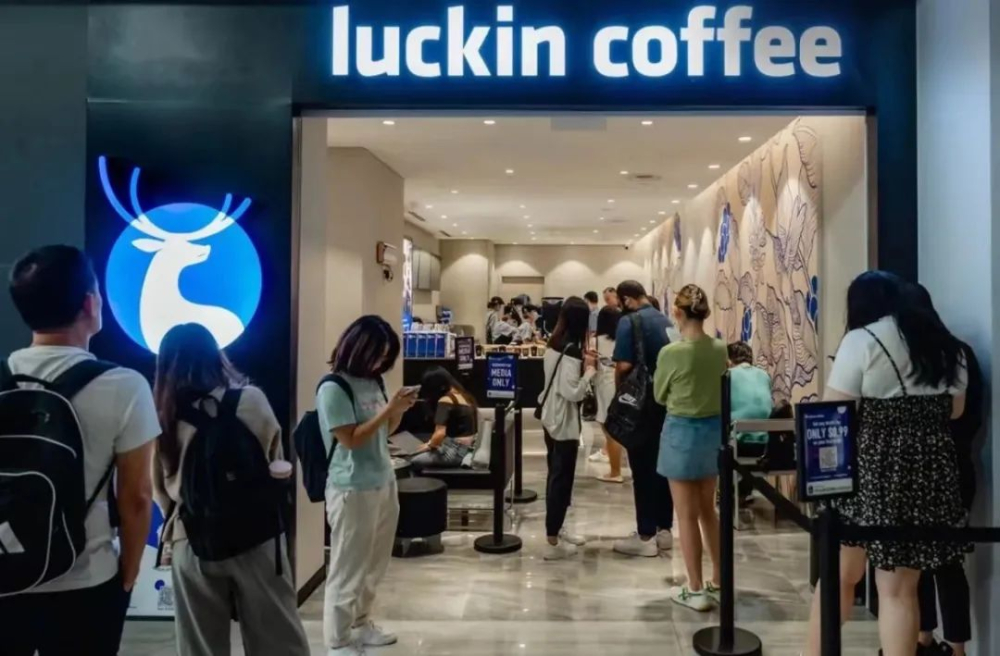
Many local Singaporean netizens have shared their views on Luckin’s pricing on social media platforms. Quite a few have pointed out that compared to it, local traditional coffee shops (Kopitiams) offer highly cost-effective choices, and emerging local chain brand Flash Coffee provides competitive prices along with flexible promotions — all of which make Luckin’s current pricing strategy seem less appealing. Especially after the first-cup promotion ends, the lack of discount support on regular prices has led consumers to question its value for money.
In terms of product positioning, Luckin emphasizes convenience, youth appeal, and high cost-effectiveness, strategies that enabled rapid expansion in the Chinese market. However, in Singapore — a market with a rich diversity of beverage options and intense competition — if its pricing fails to align with local consumption habits and price sensitivity, it may affect the speed of its market penetration. Especially when facing Starbucks, which has already built strong brand loyalty, and local brands that flexibly adjust pricing strategies, how Luckin adjusts its market strategy will be a key point to watch.

Additionally, many consumers are also discussing the performance of Luckin’s signature product — the Iced Coconut Latte — in Singapore. This drink, extremely popular on the Chinese mainland, whether it can replicate that success in the Singapore market depends not only on taste adaptability but also on pricing as a key factor influencing acceptance. Currently, its price falls within the regular price range, but without effective marketing or discount strategies, attracting price-sensitive consumer groups remains a challenge.
For Singaporean consumers interested in trying Luckin, it is recommended to take advantage of the first-cup promotion period to experience its products and services, and compare price and flavor differences with other brands. Whether Luckin will adjust its pricing based on market feedback or introduce more localized promotional activities in the future is also worth keeping an eye on.

The above content is compiled by CoffeeHunters, a coffee news website.


