








Introduction:Recently, Starbucks China has reintroduced almond milk to its menu, offering customers a new plant-based milk option. This beverage, which made a trial run in 2018 but failed to gain traction, is now making a comeback amid the growing trend of healthy eating. Can it become the next market darling? This article delves into the nutritional profile, market positioning, and coffee pairing performance of almond milk, while also exploring the potential of nut-based plant milks in specialty coffee.
Starbucks China recently announced that its stores will once again offer almond-based plant milk as a coffee base option, providing customers with a more diverse plant milk experience. As early as 2018, the brand had launched a similar product, but at the time, domestic consumers had limited awareness of plant milk, and the market response fell short of expectations, leading to its eventual withdrawal. Now, with rising health consciousness and rapid expansion of the plant milk market, can almond milk make a comeback and become the next popular café choice?

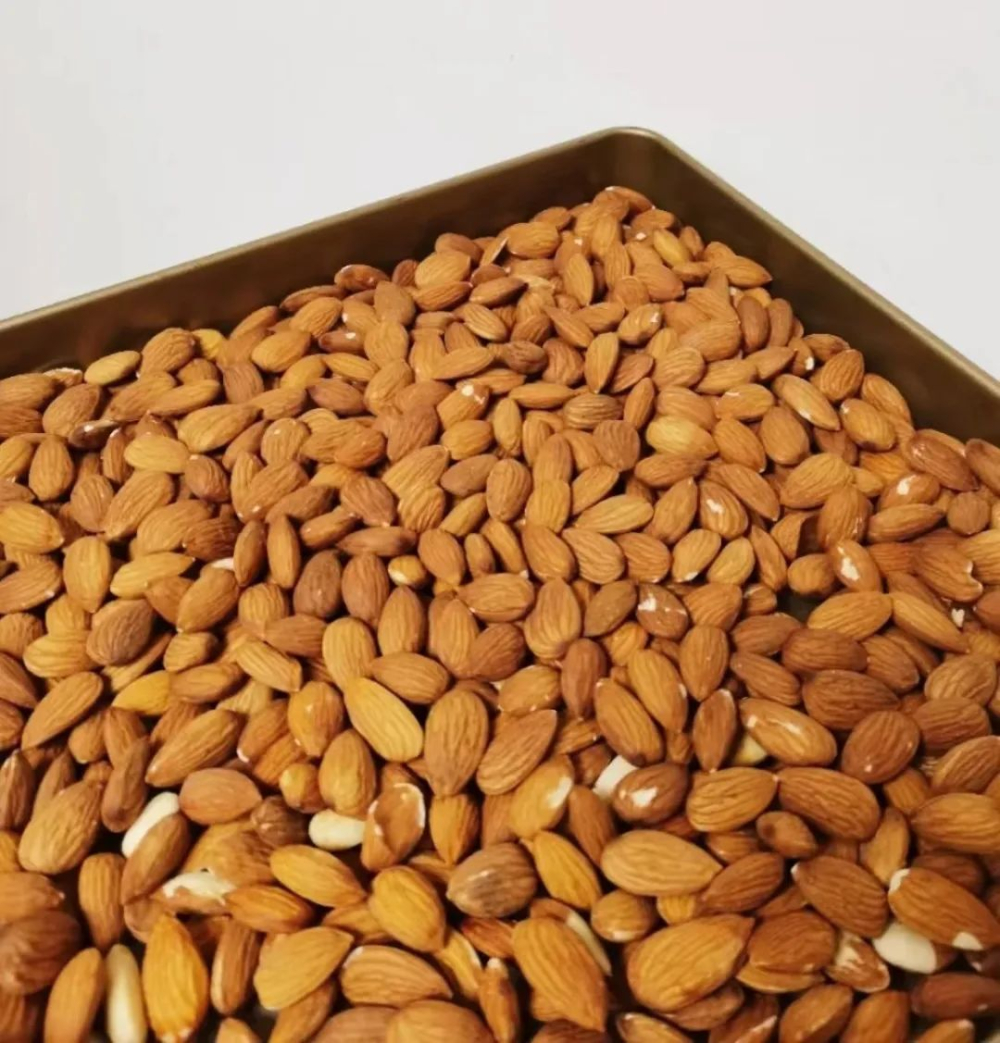
From a nutritional perspective, almonds are a nut with a moderate fat content, with fat accounting for about 52% of their composition, primarily consisting of heart-healthy unsaturated fatty acids—mainly oleic acid. Compared to other common nuts, such as macadamia nuts with a fat content as high as 76%, or peanuts and pistachios with only 44%, almonds not only provide a stable source of energy but also offer a longer-lasting sense of satiety. Additionally, they are rich in various vitamins and minerals, contributing to daily nutritional needs.

According to market research data, almonds enjoy extremely high acceptance among younger demographics, particularly consumers born in the 1990s and 1995s, who are currently the main customer base in the beverage market. Another industry report points out that mixed nut products, due to their diverse flavors and lower costs associated with single-item ingredients, have gradually become a mainstream market trend. In terms of purchasing motivation, consumers generally focus on nutrient intake, trace element supplementation, and dietary balance—factors that directly influence their preferences when choosing coffee.
It is worth noting that the consumer base for nut-based beverages is predominantly female, and younger groups demonstrate stronger purchasing power. When a particular plant milk fails to consistently generate novelty, brands often need to introduce new flavors to maintain market interest. As one of the most notable nut categories, almond milk is gradually entering the selection scope of cafés. Its unique creamy texture and mildly sweet flavor may bring a different dimensional experience to coffee beverages.

Observing current innovations in the coffee market, nut elements have gradually become a focal point in product development. However, the production cost of almond milk is generally higher than that of other common plant milks, causing some coffee shops to remain cautious about introducing this option. In contrast, lattes or Dirty drinks made with pistachio paste, which are lower in cost and carry special emotional connections, have become another popular nut-flavored coffee on the market. Many consumers hold nostalgic or curiosity-driven attitudes toward pistachios, and this sentiment has indirectly boosted the sales performance of related beverages.
Looking back at the development of plant milk in cafés, the widespread adoption of almond milk was once hindered by challenges such as cost and processing technology. However, as consumers place increasing importance on healthy eating and the demand for nut-based snacks continues to grow, this plant milk is gradually revealing its market potential. In fact, before Starbucks partnered with Oatly in 2020 to launch its oat milk series, many independent coffee shops had already begun offering oat milk options, indicating that the market’s acceptance of innovative plant milks is steadily increasing.
Starbucks’ marketing strategies have always been highly influential, and its proactive promotion of oat milk not only successfully raised consumer awareness of plant milk but also encouraged the broader beverage industry to follow suit and offer similar choices. Now, with the brand once again introducing almond milk, it is expected to further accelerate public understanding of this category and potentially help establish it as a standard option in the market. Amid the ongoing trends of increasing demand for healthy eating and plant-based products, the return of almond milk may signal that the timing is just right.
The above content is compiled by CoffeeHunters, a coffee news website.


