








Introduction:Mobile coffee trucks gained widespread popularity in the wake of the post-pandemic street vending and camping boom, attracting many entrepreneurs to join the trend. However, within just three years, the fad quickly faded, leaving numerous owners struggling to sustain their businesses. This article takes an in-depth look at the initial investments, daily challenges, and regulatory restrictions associated with mobile coffee trucks, while also examining whether they remain a viable business option in 2023 amid falling prices for physical coffee outlets and shifting market conditions—helping readers make a rational assessment before entering the market.
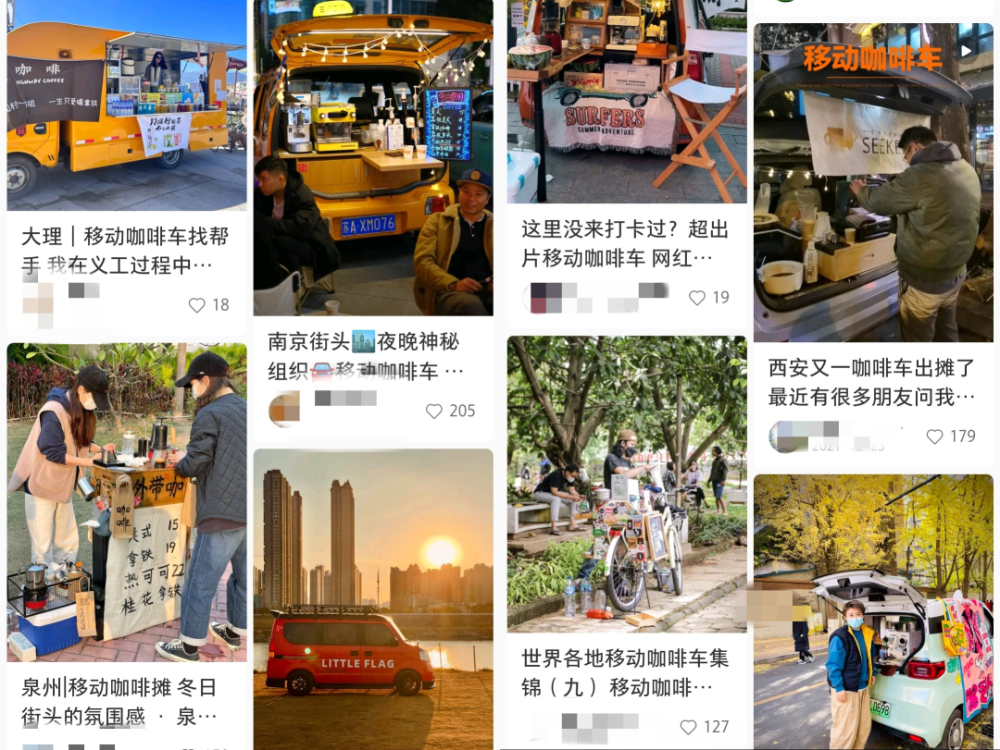
Mobile coffee trucks were once a hot topic on social media, especially during the rise of the street economy in 2020 and the camping craze, when many entrepreneurs saw them as low-barrier, high-return business ventures. At the time, investing tens of thousands to over a hundred thousand yuan to retrofit a vehicle and sell coffee on the streets seemed like a great business combining freedom and opportunity. Yet, just three years later, such mobile vendors have significantly decreased, and the combination of camping culture and coffee trucks has gradually lost steam, replaced by simpler food and beverage stalls.
In the early days, success stories and equipment tutorials circulating on social platforms tempted many to give it a try. Whether modifying an old personal vehicle or purchasing one specifically for professional customization, many hoped to leverage the trend for extra income or even a career pivot. While the initial investment seemed lower than that of a brick-and-mortar shop, in reality, when factoring in the cost of the vehicle, modifications, and equipment purchases, the total expenditure could approach that of a small café.

So why has the once red-hot coffee truck become what many entrepreneurs now call a “pitfall” case? The primary reason lies in its high and often hidden upfront costs. Many assumed that just having a vehicle and basic equipment was enough to start operating, but unless using an existing car, the costs of buying a vehicle and modifying it could exceed the initial investment required to open a neighborhood coffee shop. Even if one already owns a vehicle, other expenses such as fuel or electricity, labor costs, and the purchase of a coffee machine, grinder, generator, cooling equipment, and interior fittings—all add up to a significant total.
Furthermore, although consumers are drawn to the outdoor ambiance and convenience of coffee trucks, they remain somewhat price-sensitive. In a market with intense price competition and highly homogeneous products, even daily operations make it difficult to achieve stable profits. Many owners admit that simply breaking even every day is an achievement, let alone recovering costs or turning a profit in the short term.
A deeper look into the operational challenges reveals that the very first major hurdle isthe inability to obtain a formal business license. Due to their mobile nature, most coffee trucks struggle to meet government regulations for fixed commercial premises. Although a minority of owners who also run physical stores can legally apply for licenses, this is not the norm. For the vast majority of entrepreneurs relying solely on their coffee truck, the lack of legal operating status not only limits operational flexibility but may also affect customer trust.
Next isthe instability of operating locations. Coffee trucks often face difficulties finding suitable spots to park. Whether on the roadside, in marked zones, or community parking lots, they may be subject to intervention by urban management officers, traffic police, or property management. Opting for legally sanctioned mobile markets might offer more stable spaces, but these usually come with additional fees and still require valid business credentials. These limitations make it extremely difficult to build a stable customer base or encourage repeat visits.
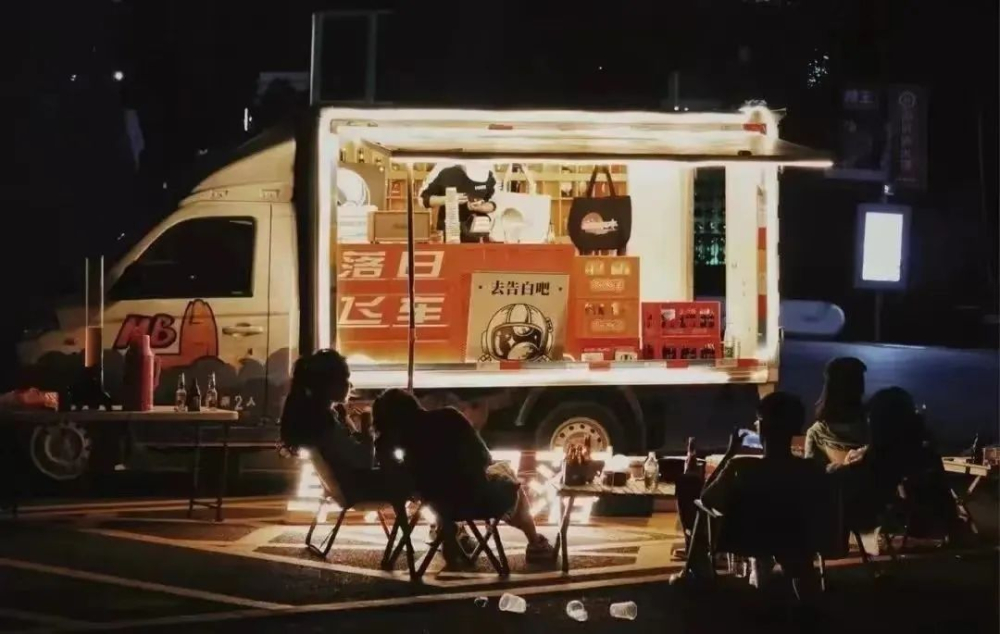
Weather is another major challenge. Whether it’s continuous rain, humid air, or cold winter months, all significantly reduce customers’ willingness to venture out, directly impacting revenue. As a result, the truly viable operating window is limited to the late spring to early summer period and the late summer to early autumn months—only when the weather is fair. Such a narrow operational timeframe greatly restricts year-round earning potential.
Additionally, mobile coffee trucks face several practical operational hurdles. For instance,cleaning equipment is not easy—especially milk frothing tools like pitchers, which, if not cleaned promptly and thoroughly, can harbor milk residue that breeds bacteria, affecting flavor and raising food safety concerns. Moreover, since most coffee trucks rely on generators to power energy-intensive equipment like coffee machines and grinders, thenoise and gasoline odorsproduced by generators often detract from the customer experience and may even provoke complaints from nearby residents, further limiting the choice of permissible operating locations.
Looking ahead to 2023, with the overall economy stabilizing and physical coffee shops generally lowering their prices, the average cost of an Americano or latte on the market hovers between 15 and 25 yuan. Under such conditions, many consumers—when faced with similar pricing—are more inclined to choose fixed-location shops that offer shelter, a more comfortable environment, and easier-to-control hygiene standards. In addition, permanent establishments can more easily build brand trust and customer loyalty, whereas the mobile nature of coffee trucks becomes a disadvantage in comparison.
Taking into account the total investment, operational restrictions, weather impact, and market trends, 2023 may no longer be the ideal time for aspiring entrepreneurs to enter the mobile coffee truck business. Unless one can precisely target specific seasonal opportunities, secure a stable and legal operating location, and successfully navigate the aforementioned challenges, the operational pressures and risks will likely far exceed expectations. Before making a decision, it’s advisable to thoroughly assess one’s resources, market positioning, and long-term operational capabilities—avoiding the trap of joining the trend only to face business hardships.
The above content is compiled by CoffeeHunters, a coffee news website.


