







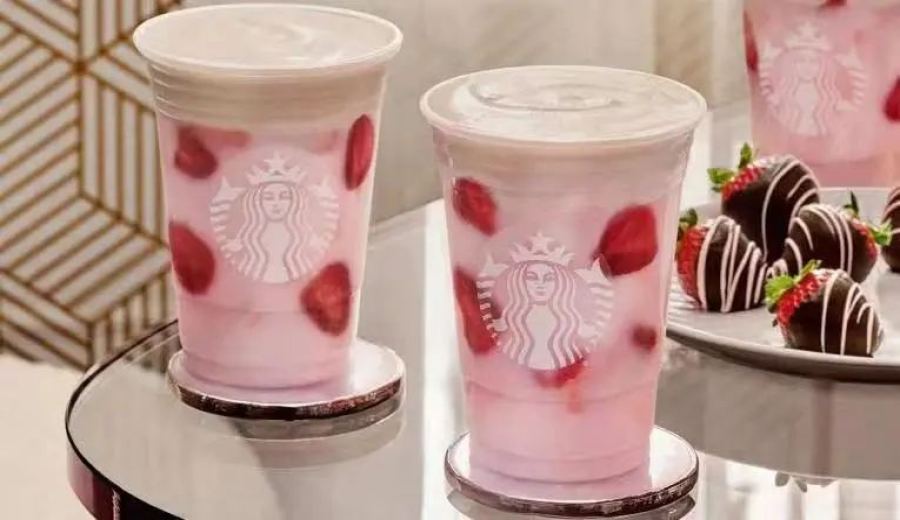
Introduction:Starbucks transformed the popular Pink Drink from North America’s hidden menu into a bottled ready-to-drink product. Upon its launch in supermarkets and e-commerce platforms, it quickly sold out. This dairy-free beverage, which rose to fame in 2016, expanded to Canada in 2018 but has yet to enter the Chinese market. The tropical-flavored Paradise Drink, launched simultaneously, also became a bestseller, yet remains difficult for domestic consumers to obtain. This article analyzes the features of both drinks, explores the reasons behind their sell-outs, and retraces Pink Drink’s journey from a social media sensation to a global favorite.
Recently, Starbucks launched a bottled version of its iconic pink-hued Pink Drink in the North American market. Within just a few days of hitting shelves in supermarkets, convenience stores, and e-commerce platforms, it sold out, drawing global attention from fans. Since its grassroots rise via the hidden menu in 2016, this beverage has captivated audiences on social media with its unique blend of berry and coconut milk flavors, as well as its refreshing pink hue. It has consistently ranked among the top bestsellers at Starbucks stores during spring and summer seasons. Notably, although it was officially added to the U.S. menu in 2017 and expanded to Canada and other North American regions in 2018, it has never been sold in mainland China.
The bottled Pink Drink not only retains the core flavor profile of the original—crafted with strawberry, banana, and coconut milk for a gentle sweetness—but also introduces a new tropical option, Paradise Drink. This new variant combines the layered taste of passion fruit, pineapple, and coconut milk, offering customers more choices. Compared to the freshly made versions served in stores, both bottled beverages omit fresh strawberry and pineapple pieces, but are more affordable and convenient for everyday consumption on the go.
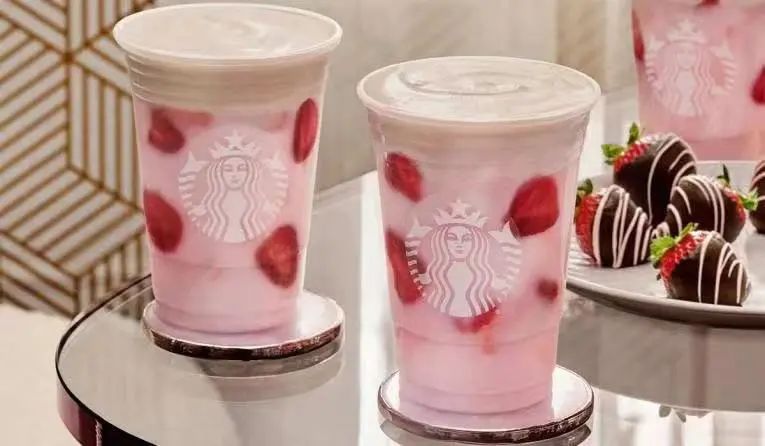
After its release in North America, the bottled Pink Drink quickly became a hot topic on social media. Overseas netizens eagerly shared their shopping experiences, while coffee enthusiasts in China expressed their hopes for an official introduction through various channels. Many consumers reported that the drink sold out shortly after appearing on shelves, whether in physical stores or online platforms. Some even initiated polls showing that over 70% of participants were unable to purchase it. This supply shortage not only reflects the product’s immense popularity but also highlights Starbucks’ strategic approach to its ready-to-drink line in specific markets.
Looking back at the origins of Pink Drink, its prototype can be traced back to 2016, when Starbucks fans in North America creatively combined a Strawberry Acai Refresher with a White Peach Tea base to craft a berry-scented hidden recipe. This fan-made innovation gradually gained popularity through social sharing until it caught the attention of the company. In May 2017, it was officially added to the U.S. store menu, transitioning from a “community secret” to an officially endorsed beverage. In 2018, it further expanded to the Canadian market, but its distinctive pink color and dairy-free formula have yet to make their way into mainland China.
The launch of this bottled ready-to-drink series not only addresses some consumers’ needs for portability but also injects new energy into Starbucks’ RTD product line. Experts note that while the bottled versions of Pink Drink and Paradise Drink omit fresh fruit pieces, they retain approximately 80% of the original flavor profile by adjusting ingredient ratios. Moreover, since they don’t require on-site preparation, their shelf life is extended. For consumers unable to visit North American stores, obtaining these drinks through cross-border channels in the future could serve as a practical alternative to experiencing this viral beverage.
Currently, calls among domestic consumers for Starbucks to introduce Pink Drink to the Chinese market continue to grow, especially given its high visual appeal and low-calorie profile, making it an ideal summer choice. Industry observers believe that if the bottled series eventually makes its way into Asian markets, including Taiwan, it is expected to spark a buying frenzy similar to that seen in North America. Until then, coffee enthusiasts familiar with the hidden menu may still opt to customize store-made drink combinations that closely mimic the original as a temporary alternative.
The above content is compiled by CoffeeHunters, a coffee news website.


