








Introduction:In recent years, the coffee market has become increasingly competitive, with a proliferation of creative specialty drinks—from octopus lattes to other bizarre combinations—prompting consumers to question whether such innovations meet genuine demand or simply waste ingredients. This article explores the phenomenon behind these unusual coffee creations, analyzes the boundaries of creativity and industry reflection, and provides practical insights to help readers rationally assess this wave of coffee innovation.
Competition in the coffee sector is no longer confined to flavor and roasting techniques but has extended into the realm of startling creative specialty drinks. Recently, controversial products like the octopus latte have emerged, combining coffee with entirely mismatched ingredients. While such creations may initially attract attention, as similar products continue to appear, consumer reactions have shifted from curiosity to skepticism, and even indifference.
When elements like lattes and octopuses—or other seafood—are paired together, they not only challenge common sense but also spark discussions about the rational use of ingredients. Many have begun to reflect on whether such innovations aim to meet diverse consumer demands or inadvertently lead to ingredient waste, potentially eroding trust in the brands behind them.

Across the market, such unconventional combinations are not unprecedented, but unlike earlier reactions of novelty-seeking, today’s online responses to such products have noticeably cooled. What began as astonishment and experimentation has turned into apathy or even criticism, as the public grows increasingly impatient with coffee creations that lack any discernible logic in their pairings.
Many consumers have directly questioned: “Is there really a market demand for such combinations?” or “Pairing ingredients like this is not only strange but could also lead to waste.” These voices reflect a shift in the market’s attitude toward creative coffee—from blind enthusiasm to rational scrutiny, particularly concerning the rationality of ingredient use and whether these drinks truly offer any drinking value.
Industry insiders note that the original intent behind developing creative coffees was to attract younger demographics and enhance brand differentiation. However, if basic pairing logic and respect for ingredients are ignored, the result can be counterproductive. Especially amid growing consumer emphasis on sustainability and ingredient efficiency, overly gimmicky innovations may backfire.
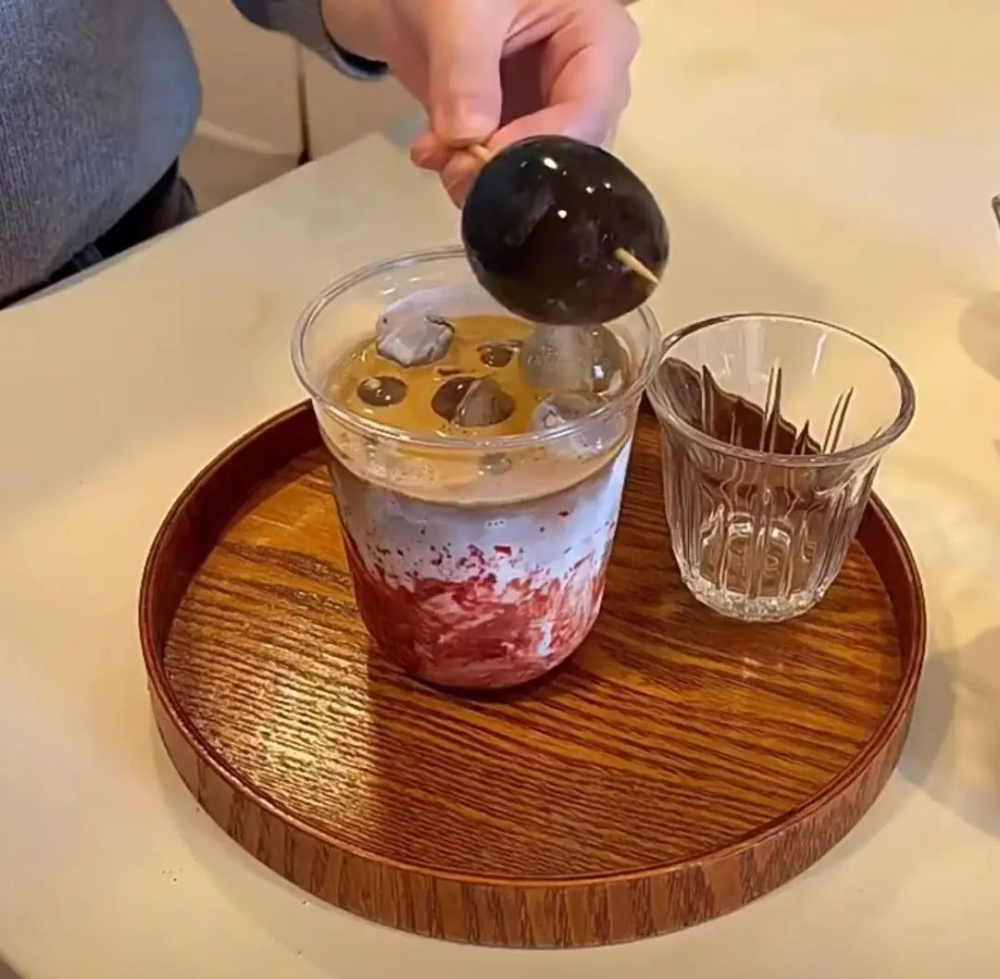
Faced with this wave of creative coffee trends, consumers might do well to stay rational, evaluating whether these products are worth trying based on flavor coherence, ingredient pairing logic, and actual drinking experience. At the same time, producers can return to the essence of coffee—balancing innovation with fundamental flavor harmony and ingredient respect—to truly earn market recognition.
In summary, the emergence of peculiar coffees like the octopus latte, while generating buzz, also serves as a reminder: innovation has boundaries, especially regarding ingredient use and consumer trust. Only by grounding creative ideas in respect for basic dietary logic can the coffee market continue to develop healthily.
The above content is compiled by CoffeeHunters, a coffee news website.


