







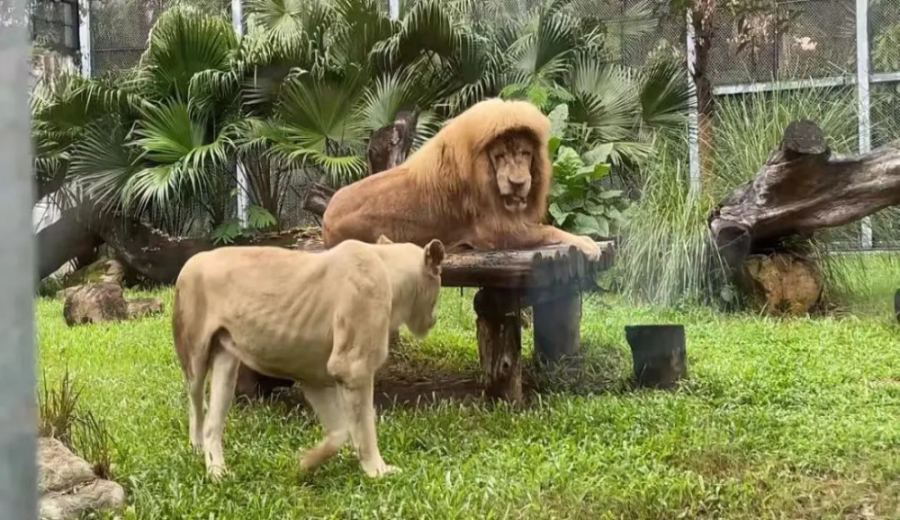
Introduction:Guangzhou Zoo recently posted a series of creative images on social media that associated animal feces with the "boba" in bubble tea, accompanied by the caption, "Hey, have you had your afternoon tea today?" The post quickly sparked heated discussions online. Many people who regularly drink bubble tea said the visuals were shocking, with some even stating bluntly, "The bubble tea in my hand suddenly doesn’t taste good anymore." This article details the incident, public reactions, and explores the social acceptance and boundaries of such promotional methods.
Guangzhou Zoo recently published a set of images on social platforms that drew parallels between animal droppings and the "boba" in bubble tea, with the caption, "Hey, have you had your afternoon tea today?" While the creative idea carried a humorous tone, it stirred up a major uproar online. Many netizens who were enjoying bubble tea at the time felt a strong "visual impact" upon seeing the images, with some saying their bubble tea instantly lost its appeal.
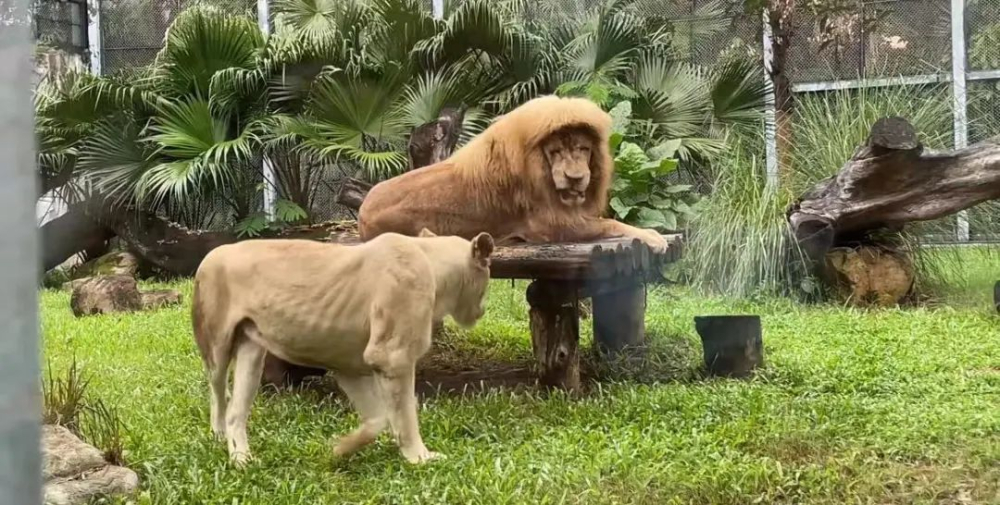
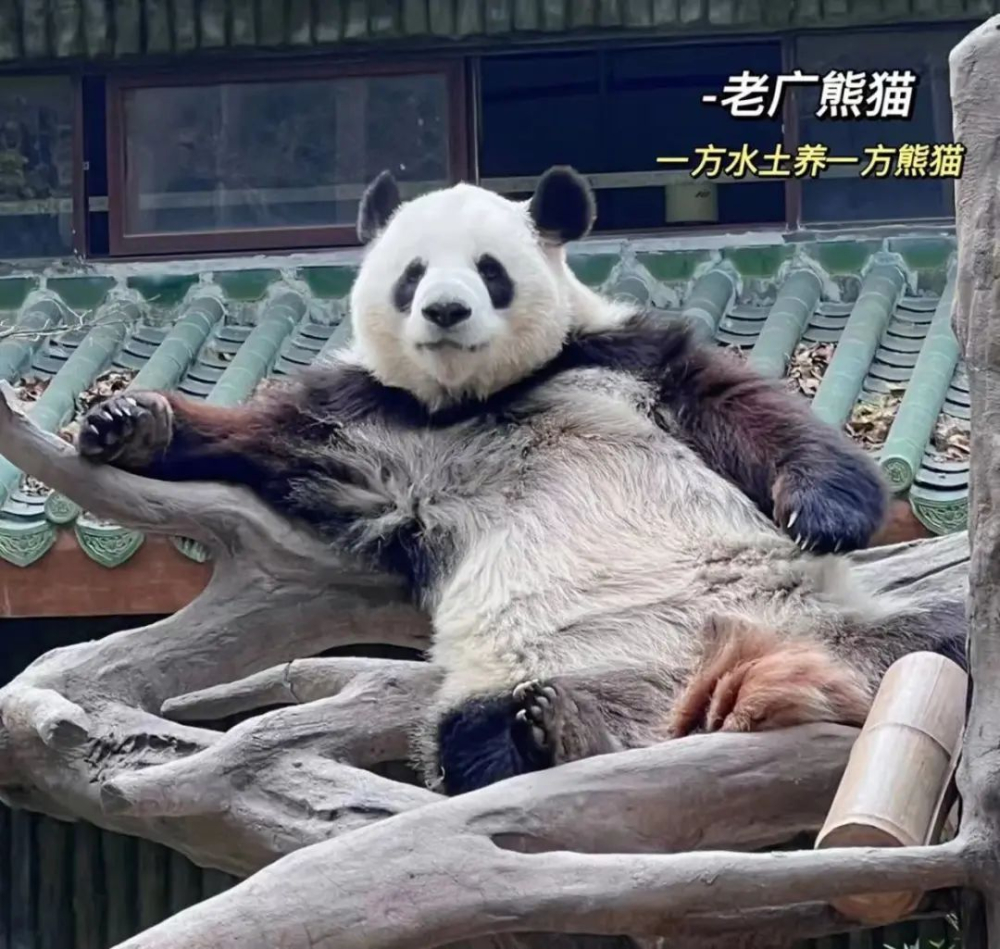
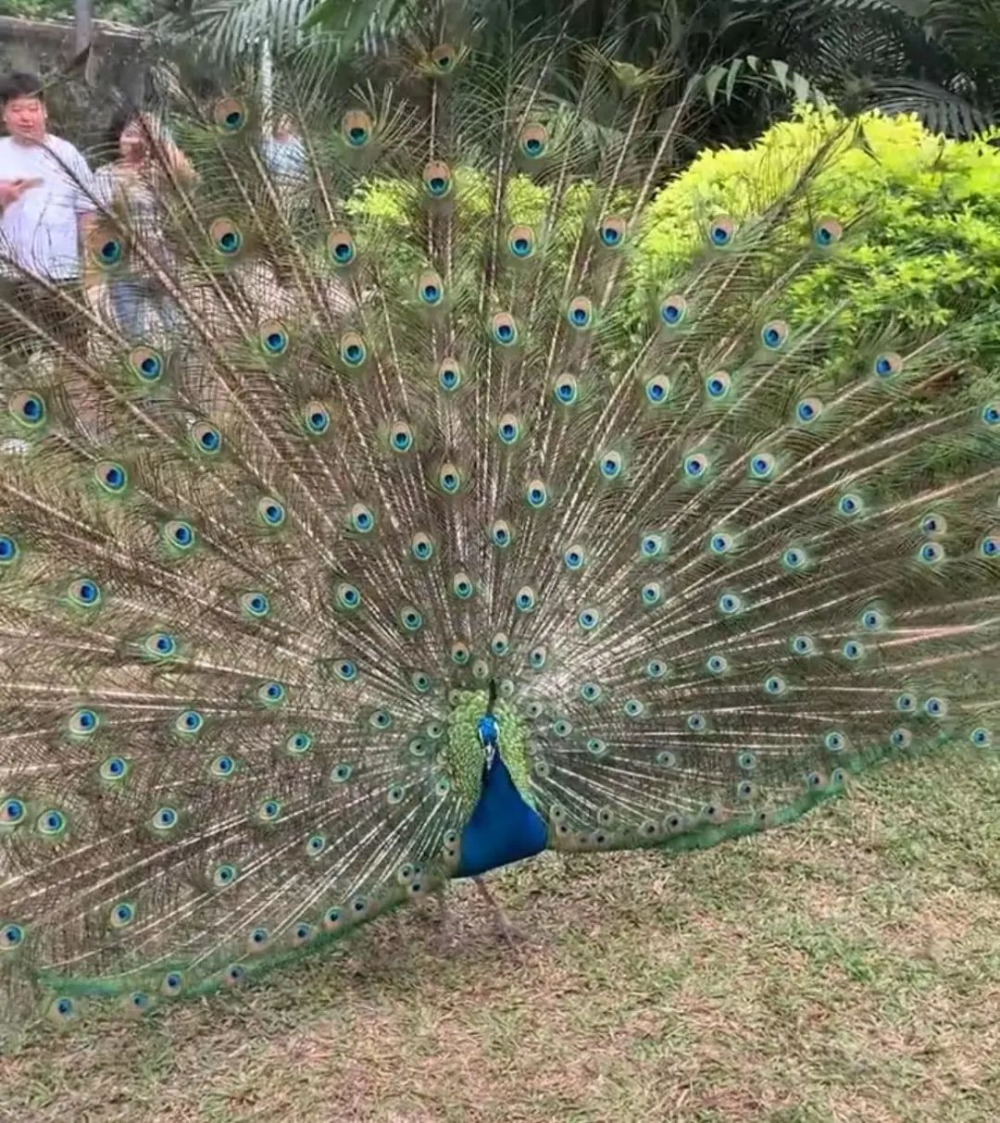
The images included not only familiar and cute scenes from the zoo—such as "Yaya the panda with an old Cantonese vibe" and "a peacock strutting and fanning its feathers on the lawn outside its enclosure"—but also interspersed the controversial "bubble tea" association images. What was originally intended to showcase the fun daily life of the zoo took an unexpected turn with this creative twist, leading to sharply divided public reactions.
Street interviews showed that most citizens felt the promotional approach was too avant-garde and inappropriate, likely to provoke viewer aversion and even interfere with appetite. Some respondents directly described their feelings as "disgusting" or "revolting," arguing that such content not only affected appetite but also failed to meet ethical standards for public messaging. However, some netizens held differing views, considering it a form of alternative "satirical reminder" aimed at discouraging the consumption of high-sugar bubble tea, with some even drawing comparisons to the classic Skittles commercial.
Speaking of Skittles, many people have vivid memories of one of its earlier imaginative ads. In that commercial, a giraffe eats a rainbow and then squeezes out Skittles, along with the highly recognizable and "earworm" laugh, which became shared cultural touchstones. Though absurd, the ad’s playful visuals successfully appealed to audiences across age groups and remains a topic of nostalgia for many.
From a marketing perspective, a degree of absurdity and rule-breaking can indeed deepen brand impression—but only if it maintains some distance from the product itself and avoids directly interfering with consumers’ eating experiences. If the creative content released by Guangzhou Zoo this time had not been related to food products but purely served as part of the zoo’s lighthearted promotional efforts, it might have received more positive feedback and drawn greater attention to the daily lives of wildlife.
However, in reality, these images directly associated animal excrement with ingredients in everyday beverages both visually and semantically, causing discomfort among many drinkers and ultimately generating negative perceptions. Under public pressure, Guangzhou Zoo quickly deleted the relevant posts and responded through customer service, stating that the zoo had not launched any bubble tea-related products and that they were unclear about the specific reasons behind the publication of such content.
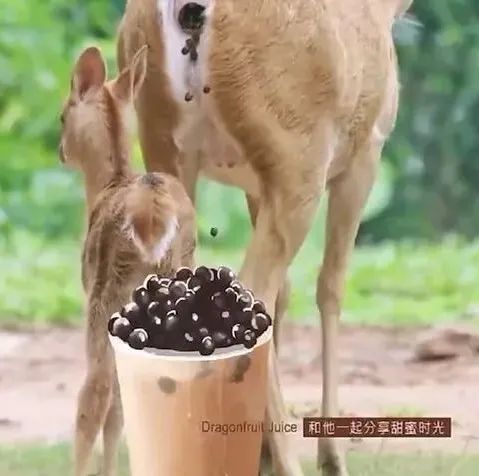
This incident not only highlights the public’s high sensitivity toward creative food-related promotions but also serves as a reminder to brands and public institutions to more carefully assess the social acceptability and potential associative effects of campaign content during planning. Even when the intent is humor or education, it is essential to avoid touching on dietary taboos and sensory boundaries of the public.
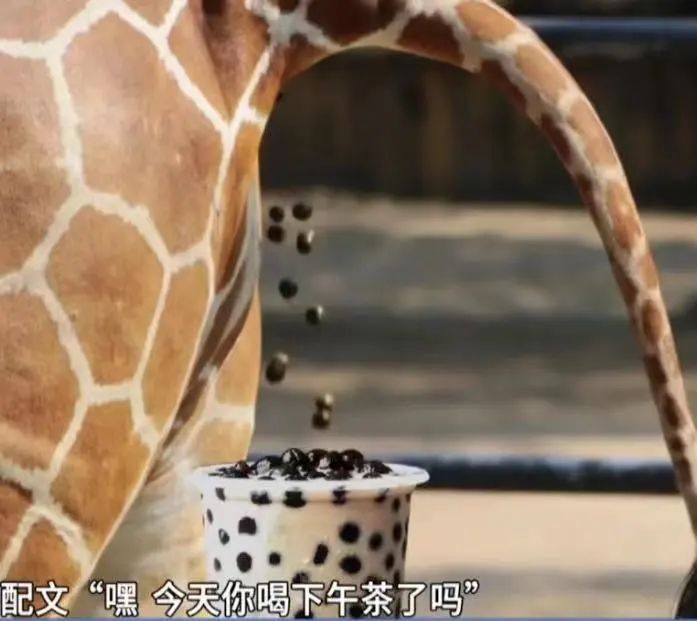
In summary, Guangzhou Zoo’s “bubble tea association” creative stunt, though possibly intended to add fun and spark interactive discussion, ended up provoking deletion and controversy due to its overly direct and potentially disturbing visual metaphors. For professionals in marketing, brand communication, and content creation, this incident offers important reflections on creative boundaries and cultural sensitivity.
The above content is compiled by CoffeeHunters, a coffee news website.


