







Introduction:In the highly competitive coffee market, relying solely on high-quality coffee is no longer enough to stand out. Nowadays, influencer-style aesthetics, creative spaces, and unique beverages have become key methods for attracting customers. This article will delve into the four mainstream strategies coffee shops use to drive traffic—including interior design, location selection, creative beverage concepts, and the viral power of social platforms—while analyzing the psychology behind user-generated content sharing. It aims to help readers grasp the traffic strategies and operational insights of the coffee industry.
In the age of information overload, if a coffee shop wants to distinguish itself from numerous competitors, product quality alone is no longer a guarantee of success. How to attract traffic has become a critical challenge. From the once-popular Instagram-style interiors to recent trends of selling coffee in temples or breakfast shops, and even the introduction of creative drinks like spicy Americano or soy sauce latte, marketing tactics in the coffee industry continue to evolve. Coupled with social platforms like Douyin and Xiaohongshu, where every user can become a potential content sharer, content that is topical, novel, or presents a striking contrast often quickly garners significant attention.
As the saying goes, “Good wine needs no bush,” but in reality, very few coffee shops can truly impress customers based solely on their products. For many new coffee ventures, rather than slowly building brand reputation, they are more eager to achieve rapid fame. Without a solid grasp of traffic sources, they may quietly fade away in the market.
The rise of Douyin and Xiaohongshu reflects the public’s preference for fast, intuitive, and entertaining ways of accessing information. Therefore, if coffee shops want to capture attention, they must break away from conventional thinking and explore unconventional business approaches.
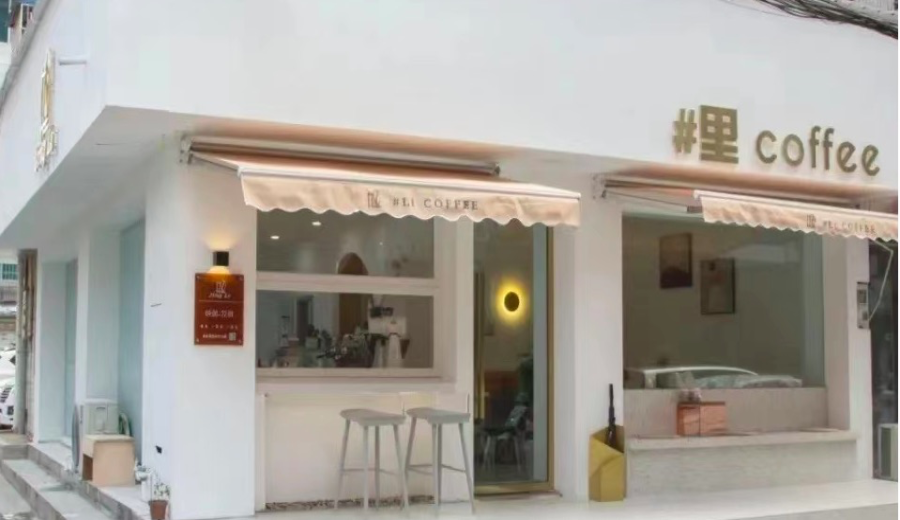
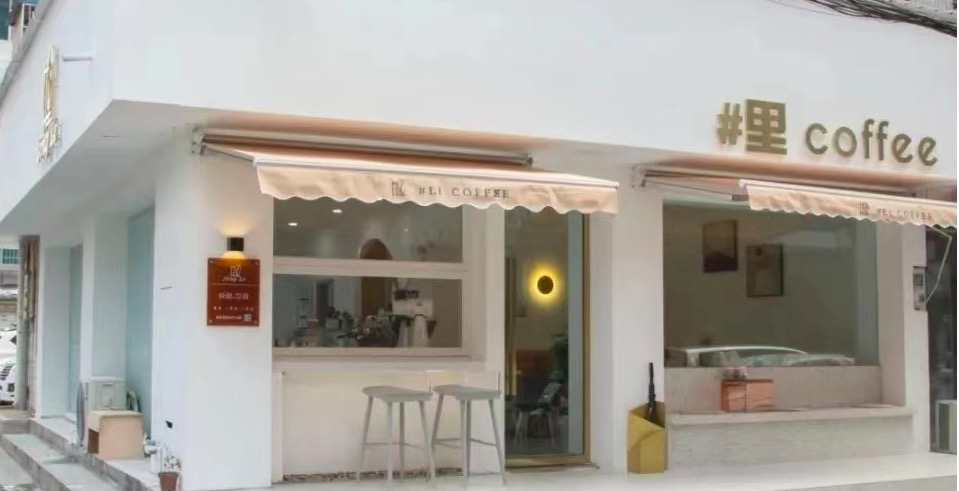
Interior design has always been a primary way for coffee shops to attract customers and one of the earliest widely used traffic strategies. Remember those once-trendy white minimalism, Scandinavian simplicity, and plant-filled Instagram-style cafés? In their heyday, simply adopting this visual style would almost guarantee a packed house. However, today, if a shop still uses such generic designs, it’s very difficult to stand out unless it boasts exceptionally high operational standards.
Currently, styles like so-called “Syrian,” “factory warehouse,” “shabby retro,” or “residential renovation” are popular, but as these styles become more widespread, consumer aesthetic fatigue can easily set in. In contrast, rare and unconventional spatial designs are more likely to attract attention and spark discussion.
Some observers also note that fashion is inherently cyclical. Certain once-mainstream styles, due to overexposure, become tiresome and are gradually labeled as “old school,” subsequently falling out of favor. But when these elements become scarce, unfamiliar, or even nostalgic, they may once again become market darlings, creating new traffic hotspots.
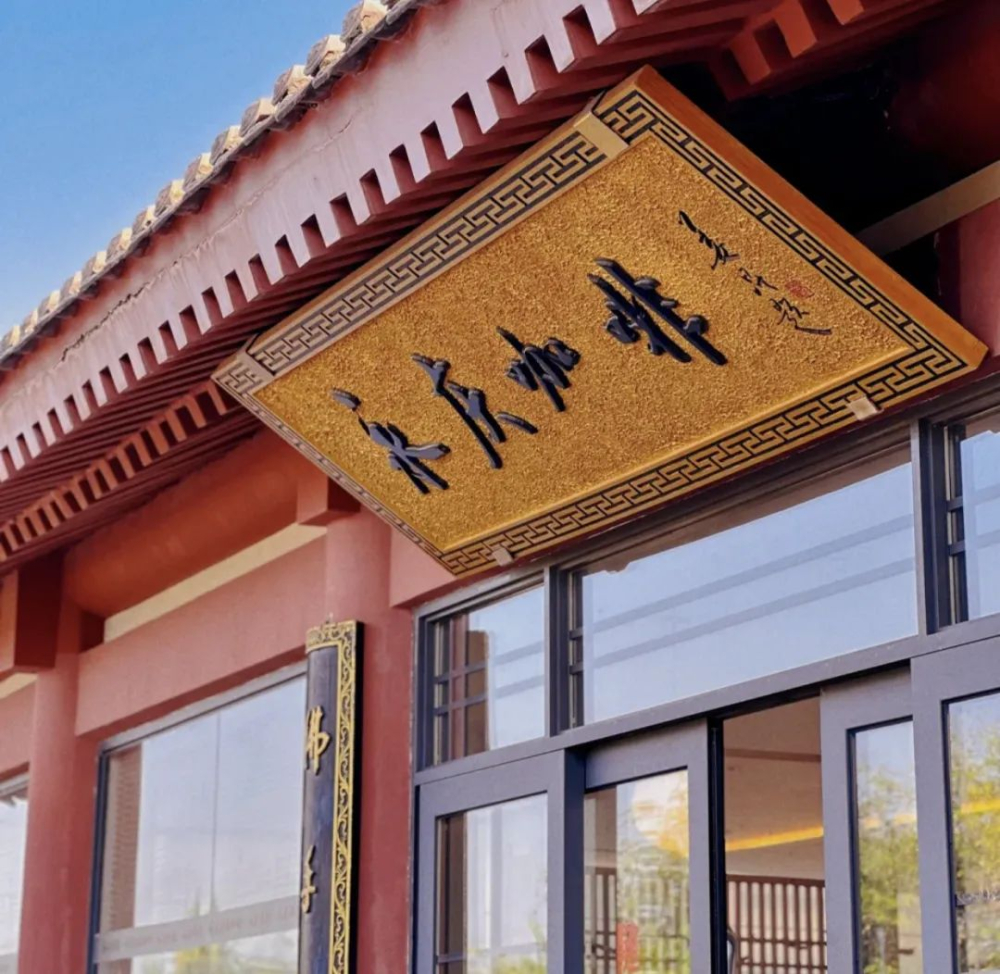
If distinctive interior design is the first step in driving traffic for a coffee shop, then opening a café in an atypical location is the second common and effective strategy.
For example, selling coffee in a temple, offering coffee alongside breakfast items, placing a coffee machine next to a noodle stall, or even a traditional herbal tea shop serving freshly brewed coffee. These settings are vastly different from where coffee is typically expected, yet the unexpected combinations successfully generate buzz.
People usually don’t associate these places with coffee. By conventional thinking, it’s almost impossible to enjoy a “proper café-brewed” coffee in such locations. Yet, it’s precisely this contrast with common expectations that surprises consumers and compels them to share and discuss, thereby boosting the shop’s visibility.
Beyond setting and décor, beverage innovation is also a crucial means of attracting traffic. When the classic coffee offerings from major brands become largely similar, only highly creative—or even slightly quirky—products can truly differentiate themselves in the market.
Drinks like Moutai latte or vinegar Americano, while novel, still fall within the general public’s comfort zone. However, when more daring combinations emerge—such as spicy Americano, Sichuan pepper latte, cilantro Americano, or even soy sauce latte and curry latte—they tend to pique customer curiosity and spark heated discussions. These visually and flavor-wise impactful products often become hot topics on social media, subsequently driving organic traffic.
Of course, creativity alone from the coffee shop isn’t enough. For traffic to truly explode, it also relies on the amplifying power of mainstream platforms. Nowadays, more and more people turn to social platforms like Xiaohongshu—rather than traditional search engines—when looking for restaurants, planning trips, or seeking new experiences. The reason is that the content shared on these platforms mostly comes from real users’ firsthand experiences, presented through photos, text, or videos. This not only makes the information more valuable but also more trustworthy (though some content may involve commercial influence, overall it remains closer to reality).
Additionally, every user can be a content creator. On Xiaohongshu, many food bloggers actively seek out shops and products that are topical, visually striking, or novel—for instance, enjoying coffee at a cheung fun shop or encountering an unexpectedly creative beverage at a café. When such content resonates, it can go viral, further driving significant foot traffic and attention to the coffee shop.
The above content is compiled by CoffeeHunters, a coffee news website.


