







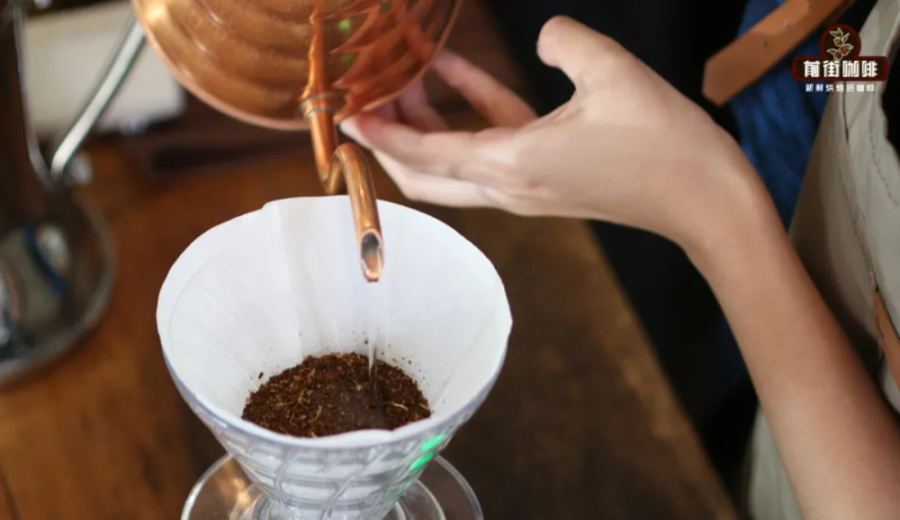
Introduction:The charm of pour over coffee lies in the delicate pouring process, and the way you pour directly impacts the flavor complexity and mouthfeel of the coffee. From water flow rate and swirling speed to the path of the pour, every detail can lead to a vastly different taste experience. This article will delve into how these variables affect the acidity, sweetness, and body of your coffee, and provide practical pouring techniques to help you precisely control the flavor profile of each cup.
The soul of pour over coffee is found in the art of pouring. Unlike machine extraction, which is standardized, manual pouring allows for personalized control, giving each cup its own unique character. Every barista has their own preferred pouring method, and these differences are directly reflected in the final cup’s aroma, acidity-sweetness balance, and mouthfeel. Mastering various pouring techniques is the first key step toward crafting personalized coffee flavors.
Among the many variables, water flow rate is the most fundamental and直观 factor. Generally, we can roughly categorize flow rate into three types: low flow (under 4 grams per second), high flow (above 7 grams per second), and medium flow (in between). Of course, this division is not absolute, but it offers a useful reference. The stronger the flow, the faster the water penetrates the coffee bed, shortening overall extraction time and potentially leading to uneven extraction or overly sharp flavors. In contrast, a gentle flow can yield a more stable and mild extraction, but if not well controlled, it may also result in a flat or off-tasting cup.
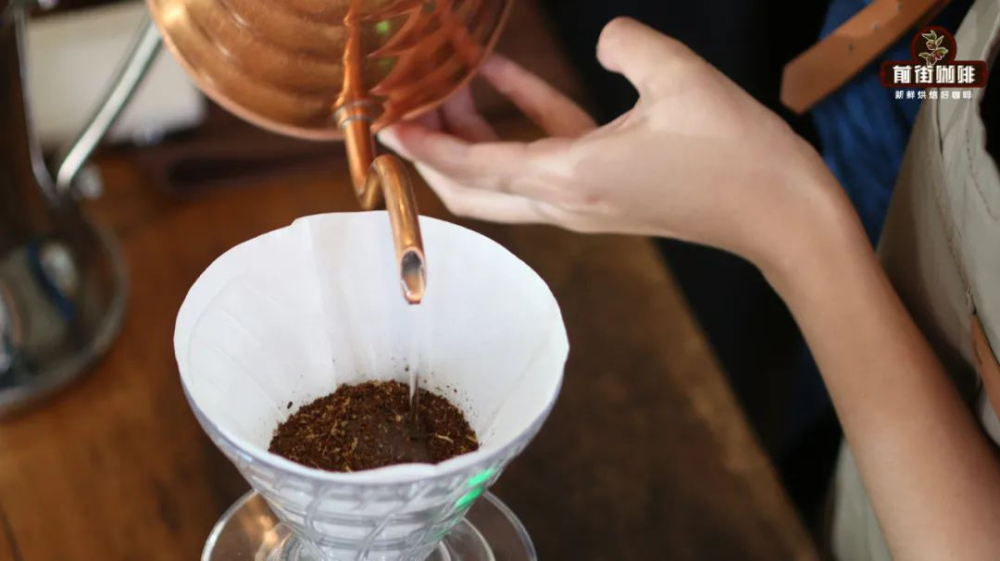
Swirling speed is another crucial factor affecting extraction uniformity. Most pour over methods use circular pouring to effectively reduce turbulence in the coffee bed and avoid channeling. When water swirls quickly, it stirs the coffee grounds more intensely, helping release more aromatic compounds and soluble solids, but it can also over-extract, resulting in excessive acidity or bitterness. Slower swirling, on the other hand, delivers a gentler flow, promoting a smoother extraction and typically yielding a cleaner, softer mouthfeel—ideal for brewing styles that prioritize clarity and minimal off-flavors.
The size of the swirling path is equally important. Many beginners wonder whether they should pour in a large or small circle. In fact, a larger circle covers more area, evenly wetting most of the coffee grounds and often highlighting bright, vibrant fruit acids and aromas, resulting in a lighter, more layered taste. However, too large a swirling range might over-wash the edges while under-extracting the center, leading to a thin or watered-down flavor. Conversely, a smaller circle focuses the pour on the center of the filter, minimizing direct impact on the outer grounds, which helps maintain the integrity of the coffee "wall" and often extracts richer, fuller flavors—suitable for brewing goals that emphasize body and depth.
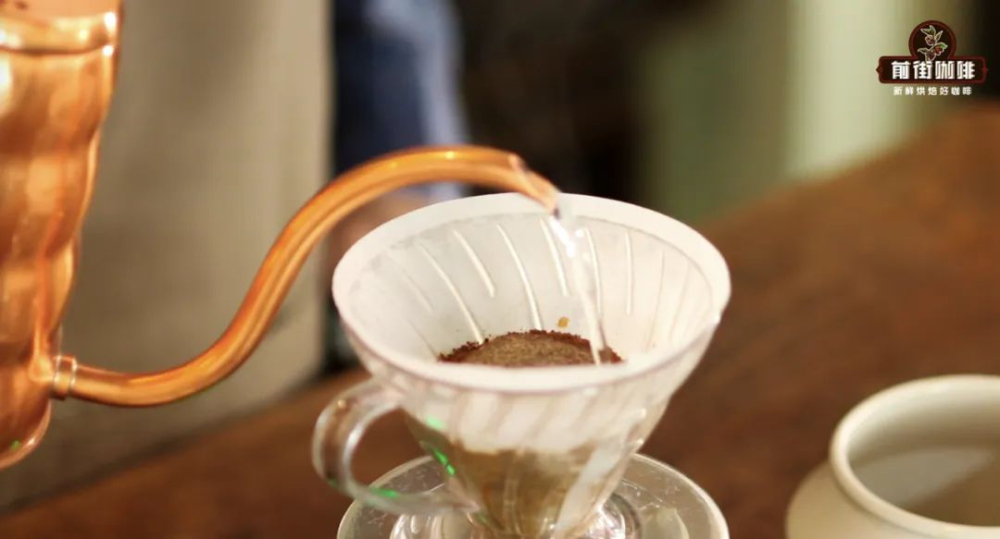
With an understanding of these basic variables, the next step is to combine them into a suitable pouring strategy based on the coffee bean characteristics and your personal preferences. For example, if you want to highlight lively fruit acidity and rich layers while avoiding a thin mouthfeel, you can try adjusting your pouring technique in stages: use medium to high flow with fast, wide circles in the first half to quickly release aromas; then switch to low flow with slow, tight circles in the second half to enhance sweetness and body while stabilizing the overall extraction rhythm. This combination preserves bright fruit notes while ensuring a solid mouthfeel and long-lasting aftertaste.
Of course, pouring is not a one-size-fits-all formula. Every coffee enthusiast can find the pouring rhythm and style that best suits their taste through continuous experimentation. Start by observing changes in the coffee bed and recording your brewing parameters each time—you’ll gradually develop your own pour over language. After all, the true essence of pour over coffee lies in the delicate control and endless possibilities of that “hand.”
The above content is compiled by CoffeeHunters, a coffee news website.


