








Introduction:A content editor with seven years of experience in the coffee industry shares their professional journey — from growing up in a family with deep coffee roots, to honing their craft in chain stores and independent cafés, and eventually transitioning into self-media. The article details sensory training methods, the realities of the industry, and answers common questions about coffee careers, making it ideal for readers who want to better understand the coffee industry or explore career paths.
This long-form piece is written by a seasoned wordsmith with deep roots in the coffee world. From the first-person perspective, he takes readers through his journey — from being raised in a South Asian coffee-loving family to becoming a professional content editor. The content not only covers personal career turning points but also delves into the practical details of sensory training and the lesser-known challenges faced by self-media professionals.
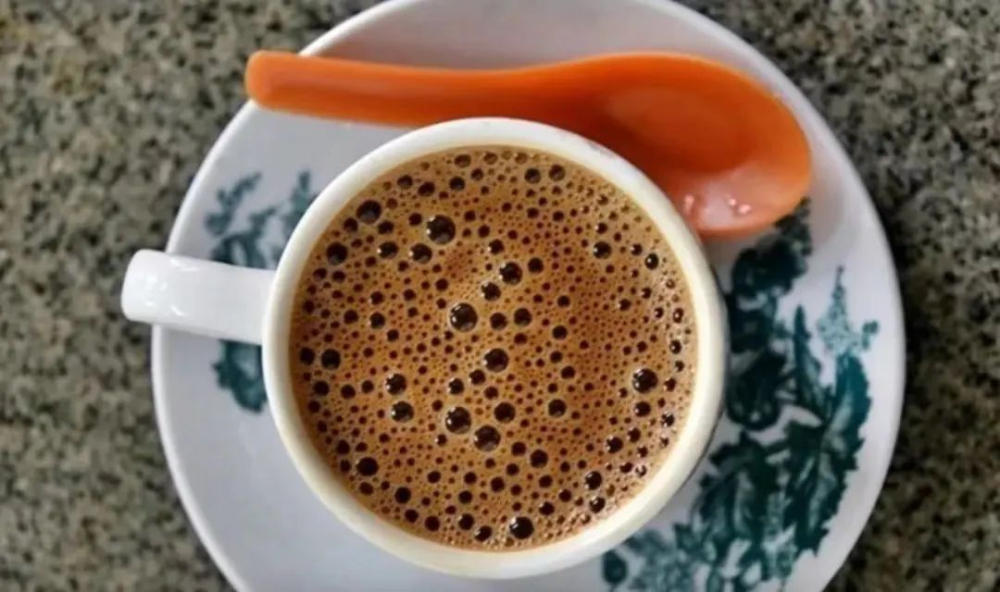
The answer to the question “Why did you choose a path in coffee?” can be traced back to childhood. The author’s family heritage goes back to the Nanyang coffee culture of Singapore. His great-grandmother brought local brewing techniques back to Guangzhou, and the aroma of coffee became an important part of family memories. Especially memorable was the experience at the rooftop revolving restaurant of Guangzhou’s Aiqun Building — encountering his first cup of Blue Mountain coffee at just four or five years old. That milestone cup planted the seed for a future in the coffee industry.

It wasn’t until he entered the workforce that the author truly realized how rapidly the coffee industry was changing. A trip to Taiwan in 2016 became a pivotal moment, not only broadening his understanding of specialty coffee but also prompting him to read extensively on the subject. However, reality presented tough challenges: most independent cafés preferred practitioners with hands-on experience, which led him to first refine his skills in chain stores, particularly mastering the basics of espresso preparation, including9-bar pressure extractionandwater temperature of 92–96°Cas core parameter settings.
Career burnout after three years in chain stores drove him to seek a breakthrough in the matcha field, but it only confirmed his undiminished passion for coffee. Eventually, working at an independently roasted coffee shop unexpectedly opened a new chapter in media creation. This transition reveals a common career exploration pattern among coffee professionals — gradually clarifying one’s core aspirations through trying diverse roles.
One of the major milestones in his career came with the sensory training challenges he faced when first entering the self-media space. Confronted with the gap between textbook theory and real-world cupping, the author developed a systematic training approach: identifying flavors in everyday foods (such as the acidity and sweetness layers in fresh fruit), repeatedly practicing with 36 standard flavor bottles, and meticulously recording the subtle differences in each sensory experience. Thisintensive, month-long daily traininggradually built up his intuitive judgment of the coffee flavor wheel.
Regarding the skepticism of “whether content must still be produced without breaking news,” the author shares his content strategy: even in the absence of immediate news, he provides in-depth, valuable information by organizing industry trends, technical breakdowns, and interviews with professionals. This commitment to consistent creation reflects the self-media worker’s balancing act between content value and reader needs.
The practical details of sensory training are worth mentioning: beyond standardized flavor bottle exercises, observing flavors in daily eating and drinking is equally important. For example, comparing the acidity profiles of citrus fruits from different regions (like the bright acidity of sweet oranges versus lemons), or analyzing the caramelized flavor layers in sauces — such training helps solidify concrete understandings of descriptors on the coffee flavor wheel like “fruit acidity” or “sweetness.”
In the advice section on career choices, the author emphasizes the importance of finding the right position within the industry chain. From green bean procurement and roast curve design (such as controlling the heating rate of180–205°C for light roasts), to barista operations and marketing, each aspect holds unique value. Aspiring professionals are encouraged to gain hands-on experience across various roles to determine whether they prefer technical aspects like “grind size adjustment” or “extraction time control,” or soft skills like “customer service” or “brand management.”

This career retrospective not only documents personal growth but also unveils the multifaceted nature of the coffee industry. From scientific methods of sensory training to practical insights on self-media content creation, it offers valuable guidance for readers interested in diving deeper into coffee. The preserved technical parameters and training specifics reflect the professional’s rigorous approach to knowledge sharing.
The above content is compiled by CoffeeHunters, a coffee news website.


