








Introduction:Confused by the professional terms on a coffee shop menu? This article offers practical ordering tips for first-time visitors, from classic black coffee to popular milk-based drinks. It explains the characteristics and differences of common coffee options, along with useful tips based on flavor preferences, helping you order with more confidence next time.
Feeling overwhelmed by the wide variety of coffee names on the menu when you first walk into a café? Actually, ordering coffee is just like ordering a dish at a restaurant. Mastering a few basic guidelines can help you easily find a drink that suits you. If you prefer pure black coffee, start with an iced Americano; if you enjoy the balance of milk and coffee, a latte is a good choice; or if you’re looking for a sweeter experience, consider a flavored latte. Still unsure? Just communicate directly with the barista — simply share your taste preference (whether you want milk, how sweet you’d like it, and whether you prefer hot or cold), and they’ll usually offer suitable suggestions.
Here’s a guide to common coffee options to help you quickly understand each drink’s characteristics, including espresso, SOE, Americano, latte, cappuccino, flat white, dirty, cold brew, and hand drip. This will give you more confidence in making your choice the next time you visit a café.
Espresso / Italian Espresso

This is the most basic and most concentrated form of coffee, extracted using an espresso machine under high temperature and pressure to produce a small amount (usually only about 30 milliliters) of strong coffee liquid. For those new to coffee, it’s recommended to start with other more beginner-friendly options, as espresso has an extremely intense and bitter taste, suitable for drinkers with some prior coffee experience.
SOE Coffee (Single Origin Espresso)
SOE refers to espresso made from single-origin coffee beans, emphasizing the unique flavor profile of a specific origin compared to typical commercial blends. For example, beans from Ethiopian regions like Yirgacheffe, Sidamo, or Huila often exhibit pronounced acidity and fruity notes. Compared to traditional multi-region blends, they offer a fresher, more layered flavor, ideal for those who wish to explore the original flavors of coffee.
Americano
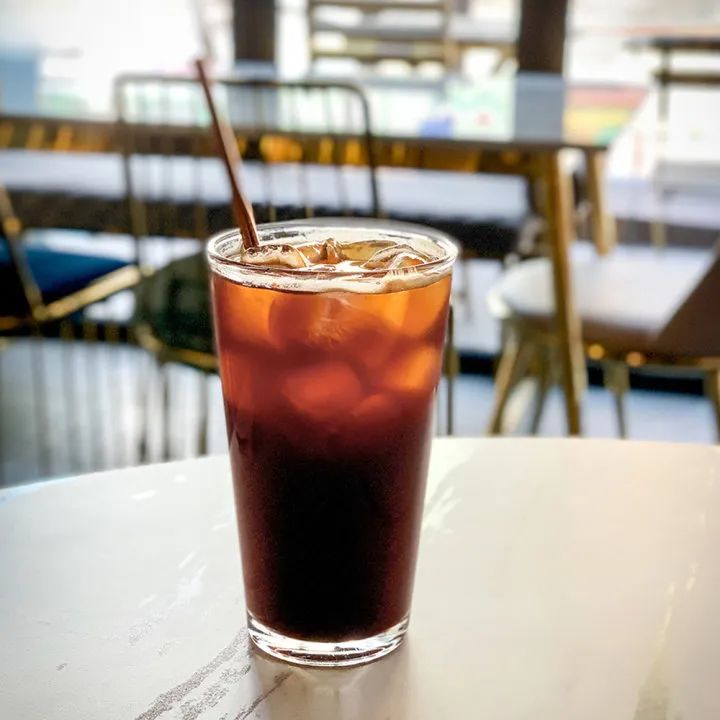
An Americano is made by diluting espresso with hot water, preserving the aroma of coffee while reducing overall strength. It’s suitable for those who enjoy black coffee but aren’t used to high bitterness. If you find the Americano from the café too strong, you can ask for more water to adjust the strength, or add a bit of milk according to your personal taste to soften the flavor.
Latte (Caffe Latte / Coffee Latte)
The latte is one of the most popular milk coffees, made by mixing espresso with a large amount of milk. A typical hot latte, thanks to its fine microfoam, delivers a smooth and silky texture, while an iced latte combines cold milk with cold brew or cooled espresso for a refreshing and rich dual experience. Additionally, if you want to admire latte art, ordering a hot latte is usually a great choice.
Oat Milk Latte (Oat-milk Coffee Latte)
This uses oat milk instead of regular cow's milk, suitable for those who are lactose intolerant or allergic to milk. Oat milk has a naturally thick and smooth texture. Though not an animal-derived dairy product, it still pairs well with coffee, making it an ideal choice for vegetarians or those with special dietary needs.
Raw Coconut Latte (Raw Coconut Coffee Latte)
Made with thick coconut milk extracted from fresh coconut flesh and juice, combined with espresso, it features a strong coconut aroma and natural sweetness. No extra sugar is needed to enjoy a smooth and sweet coffee experience, especially suitable for readers who like tropical flavors or sweet coffee.
Cappuccino
Composed of equal parts espresso, steamed milk, and thick foam, the cappuccino has a foamy layer as soft as cotton candy, with a relatively strong taste and a balanced flavor of both milk and coffee. Note that cappuccinos are generally only available in hot versions and are not recommended as iced drinks.

Flat White / Flat White Coffee (Flat White)
Similar to a latte, the flat white has a higher coffee ratio and slightly smaller volume, with a thinner layer of foam, making the coffee flavor more prominent. The overall taste is rich and smooth, suitable for those who want more coffee flavor without consuming too much milk.
Dirty Coffee
Dirty is an iced-only coffee, characterized by the un-stirred pouring of espresso directly over ice-cold fresh or purified milk, creating a distinct separation between the coffee and milk layers. It’s recommended to drink it in one go to experience the bold coffee followed by the smooth milk, offering a uniquely layered taste sensation.
Mocha (Mocha)
A mocha is essentially a latte with added chocolate or dark cocoa powder, available as a hot or iced drink, and is perfect for chocolate lovers. The chocolate flavor blends with coffee and milk, resulting in a sweet yet not overly rich taste — a classic combination that offers both coffee aroma and dessert-like enjoyment.

Cold Brew / Ice Drip Coffee (Cold Brew / Ice Drip Coffee)
Cold brew involves steeping coffee grounds in room temperature or cold water for an extended period to extract a smooth, low-acidity black coffee with a silky texture and non-irritating taste. Ice drip uses slowly dripping ice water for an even longer extraction time, yielding an even clearer flavor. Both are typically served without sugar or milk, but can be adjusted to personal taste. When ordering, you may ask the barista about the flavor characteristics of the beans used.
Hand Drip Coffee (Hand Drip)
Hand drip is a method of brewing coffee using a filter dripper and manual pouring, highlighting the original flavors of the coffee beans. It offers a clean taste with distinct layers of aroma. Compared to machine extraction, hand drip better preserves details such as fruit acidity, fruity notes, or sweetness of the beans, and also allows flexibility in choosing beans from different origins. It’s recommended to discuss your preferences with the staff to select the bean type that best suits your taste — for example, if you enjoy fruit acidity, consider Ethiopian beans; if you prefer a softer flavor, Panamanian or Costa Rican beans may be a good choice.
The above content is compiled by CoffeeHunters, a coffee news website.


