







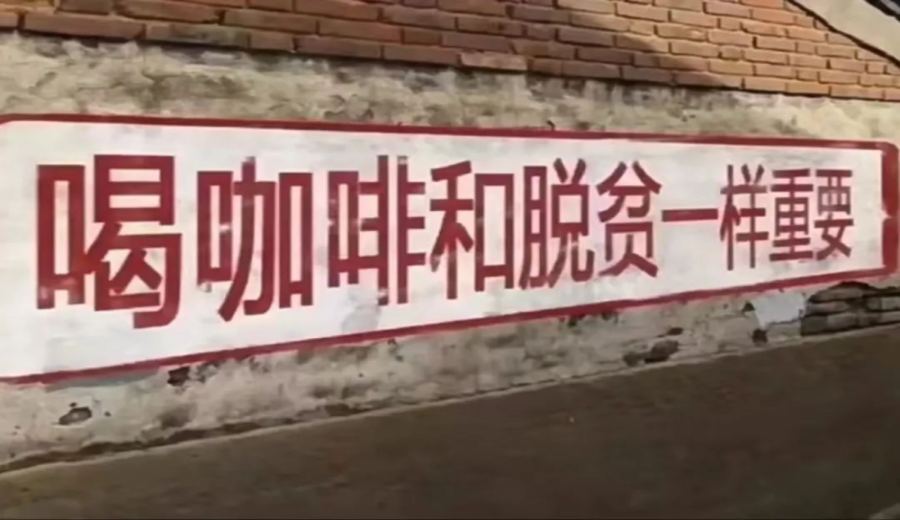
Introduction:As price wars among urban coffee shops intensify, rural cafes are catching attention with astonishingly low prices. One cafe in Dali, Yunnan, sells Americano for just 6 yuan and latte for 9 yuan—prices that nearly match cost. How can such pricing sustain operations? This article delves into the business model of rural coffee shops, analyzing cost structures, customer targeting, and localization strategies to uncover the survival wisdom behind these low prices. It also explores the return of coffee to its essence as an everyday beverage, offering practical insights for both industry professionals and enthusiasts.
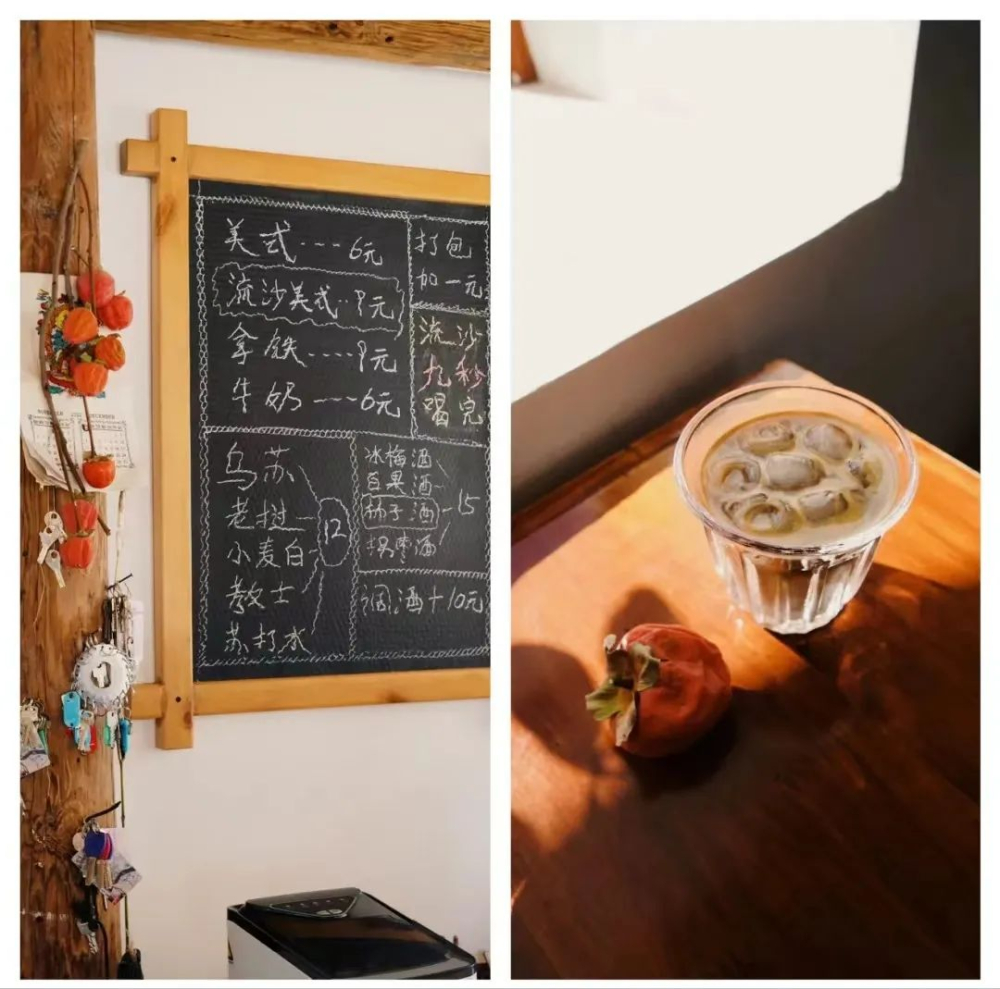
In cities, enjoying an Americano or latte for just a few yuan is no longer news, but when such prices appear in rural cafes, it raises curiosity: how do they survive at such low costs? Recently, searching “rural cafe” on Xiaohongshu yields over seven thousand related posts, many of which feature community-oriented shops with affordable pricing. Located in Dali, Yunnan, the “Six Yuan Cafe” sells Americano for just 6 yuan, while lattes and specialty drinks are only 9 yuan—prices almost equivalent to cost—sparking discussions about its business model.
This cafe, hidden away in the countryside, does not rely primarily on coffee sales for profit. The owner originally ran six homestays, with the cafe situated at the heart of them, mainly serving guests and visitors. During the day, it offers coffee; at night, it becomes a relaxed gathering spot, more like a social space. In other words, coffee here is an added value to the homestay experience, not the main business.
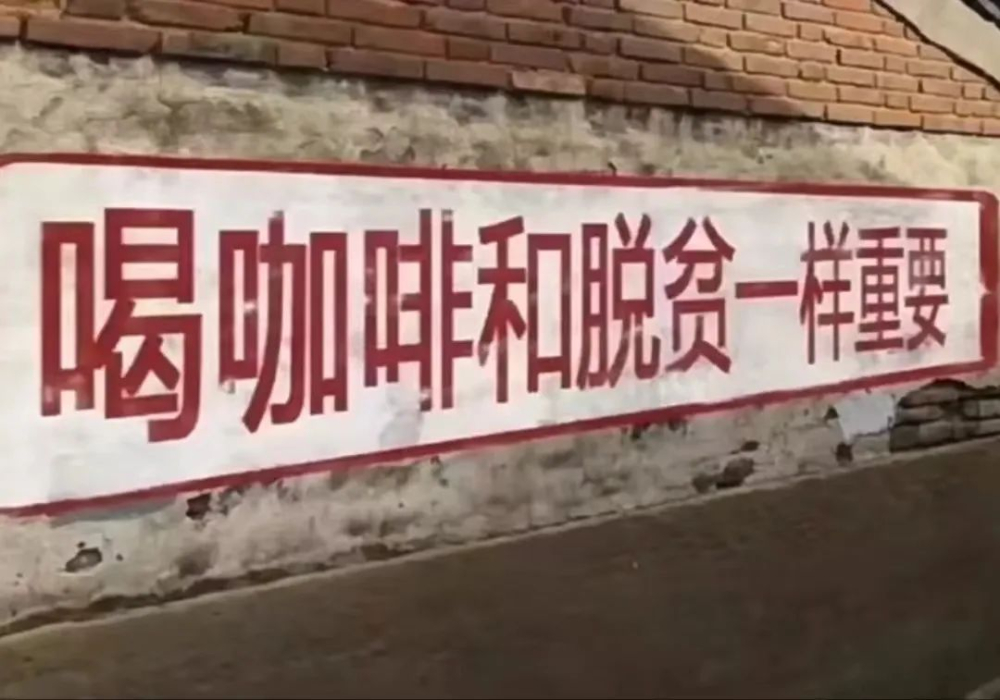
From a cost perspective, the pricing of a cup of coffee depends on ingredients and various overheads. The Six Yuan Cafe uses an espresso blend bean, with each pack costing around 90 yuan, averaging about 2.7 yuan per cup for the beans alone; fresh milk costs 13 to 16 yuan per liter, with each cup using about 2.6 to 3.2 yuan worth. Adding utilities, consumables, and equipment depreciation, the 6-yuan Americano and 9-yuan latte are essentially operating at cost.
Compared to urban cafes where prices often reach 20 to 30 yuan, this pricing strategy is clearly more affordable. Recent consumer trends show that most people are more willing to accept coffee priced between 15 and 26 yuan, especially for everyday espresso drinks. The group willing to spend 30 to 50 yuan daily on coffee remains small, and if rural cafes insist on high pricing, they may struggle to survive market competition in the long run.
Many still perceive coffee as a symbol of “premium, bourgeois, and tasteful” living, but in essence, coffee is just a beverage that doesn’t need to be burdened with excessive added value. As the owner of the Six Yuan Cafe puts it: “For the kids in the village, coffee is just that not-so-tasty drink you find near the convenience store—they’d rather have a milk tea.”
With the accelerating pace of urban life, more and more young people yearn for a “poetry and distance” lifestyle, hoping to open a cozy cafe in rural areas. Coupled with generally lower consumption levels in the countryside, this has gradually given rise to a variety of “rural coffee shops.” However, unlike in cities, rural residents don’t have a strong demand for artistic ambiance or caffeine; instead, returning youth have become the main clientele of these cafes. They seek high cost-performance and everyday coffee experiences.
Therefore, for rural cafes to operate long-term, the key lies in transforming “photo-op” or “experience-based” business models into “everyday” services. By focusing on local needs, offering affordable prices and practical functions, they can develop steadily in the rural market and find their own path to sustainability.
The above content is compiled by CoffeeHunters, a coffee news website.


