







Introduction:Have you ever wondered why professional baristas never forget the step of "warming the cup"? In fact, warming the cup has vastly different impacts depending on the brewing method. This article delves into the fundamental differences in cup warming needs between espresso and pour over coffee — from flavor preservation and temperature control to practical operation tips — helping you master the key details of cup temperature management. Whether you're brewing at home or running a café, it can elevate your overall coffee experience.
In the entire coffee-making process, "whether to preheat the cup" has always been one of the focal points for coffee enthusiasts. Unlike a mere ritual, warming the cup directly affects the flavor expression and overall drinking experience. Especially between the two mainstream brewing methods — espresso and pour over — the role and necessity of warming the cup differ greatly. Understanding these differences can help you make more accurate judgments and operations based on actual situations.
For espresso-based drinks such as espresso, latte, or cappuccino, warming the cup is practically an essential step. One of the key appeals of these types of coffee is that their optimal drinking temperature typically hovers around 60°C. Once the temperature drops, not only does the flavor complexity rapidly diminish, acidity tends to surface, and even the overall mouthfeel noticeably declines. Therefore, maintaining the drink’s temperature is crucial for this category of coffee.
In practical tests, when two espressos made under identical extraction conditions were poured — one into a preheated ceramic cup and the other into a room-temperature cup — a clear difference could be perceived just two minutes later. The espresso in the preheated cup remained hot, with clear and smooth flavors; whereas the one in the room-temperature cup not only dropped in temperature but also exhibited noticeable acidity, with a slightly thinner mouthfeel.
Additionally, common milk coffee cups are often made of thick-walled ceramic material. These types of cups not only offer a better grip but also help retain heat effectively. However, if the cup is not warmed beforehand, the ceramic material itself will absorb a significant amount of heat, causing the actual drinking temperature of the milk coffee to drop, which further affects the sweetness perception of lactose and significantly dulls the creamy texture of the milk foam.
Interestingly, Italy, as the birthplace of espresso, places a high emphasis on cup warming. Many Italian-made semi-automatic espresso machines are designed with a dedicated "cup warming area" — that is, placing the cups upside down or stacked on top of the machine, using the residual heat emitted by the internal boiler to preheat the cups. This is not only a practical design but also reflects the local coffee culture’s pursuit of detail in every aspect.
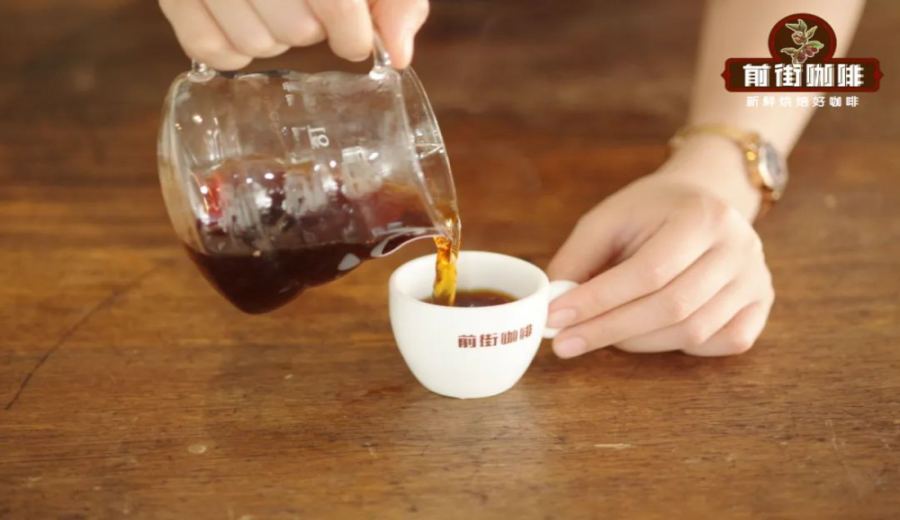
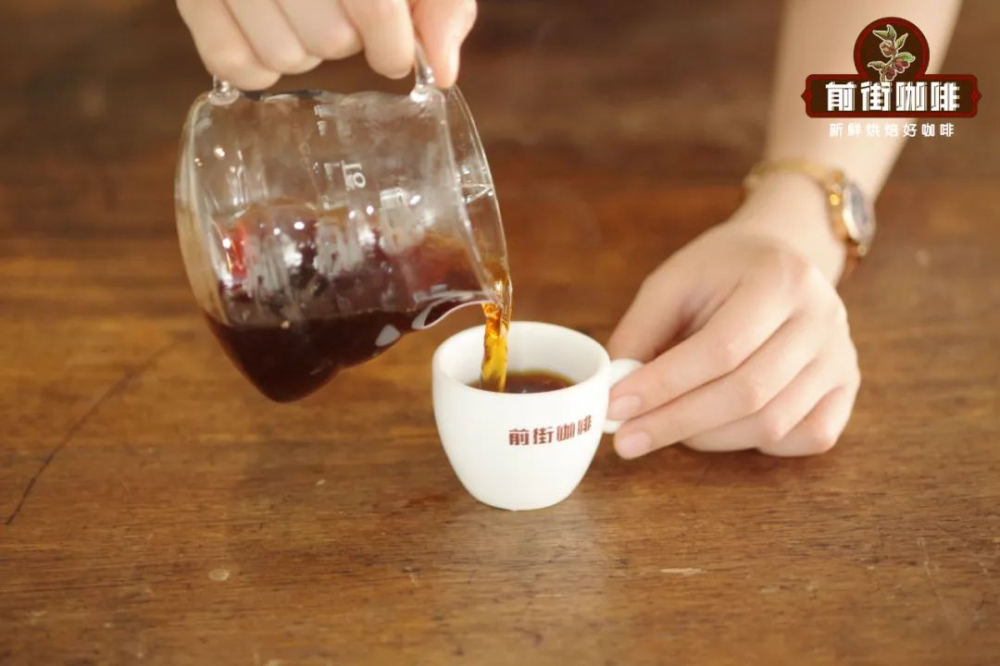
In contrast, the need for warming the cup in pour over coffee is much more flexible, largely depending on the actual usage scenario and personal preference. First, the serving temperature of pour over coffee is usually above 70°C, making it a relatively high-temperature beverage. This means that even when poured into a room-temperature cup, it can still maintain a suitable drinking temperature for a short period. Especially in a counter service setting, many shops choose not to warm the cup, allowing customers to enjoy the coffee immediately at a safe and palatable temperature.
However, if you’re using bone china or similar cupware with a larger opening and fast heat dissipation, it is recommended to preheat the cup with hot water in advance to reduce heat loss. Especially when enjoying high-grade pour over coffee with complex flavor profiles, a stable cup temperature helps fully showcase the coffee’s aroma and flavor nuances, preventing the overall sensory experience from being compromised due to rapid cooling.
A coffee enthusiast once shared that they used to think warming the cup was a necessary part of the brewing process — until one time they poured steaming hot pour over coffee directly into a room-temperature cup and found that not only could they enjoy it immediately, but the temperature was also just right for drinking, eliminating the need to wait for it to cool down. This also reminds us that while warming the cup has its benefits, it is not absolutely necessary. The key lies in making the right choice based on cup material, coffee type, and drinking scenario.
In summary, for espresso, due to its milk foam and hot beverage characteristics, warming the cup is almost a basic skill for enhancing flavor stability; whereas pour over coffee offers more flexibility and can be adjusted according to cupware, environment, and personal preference. Understanding these differences will allow you to better manage every detail in your daily coffee preparation and enjoy a superior coffee moment.
The above content is compiled by CoffeeHunters, a coffee news website.


