







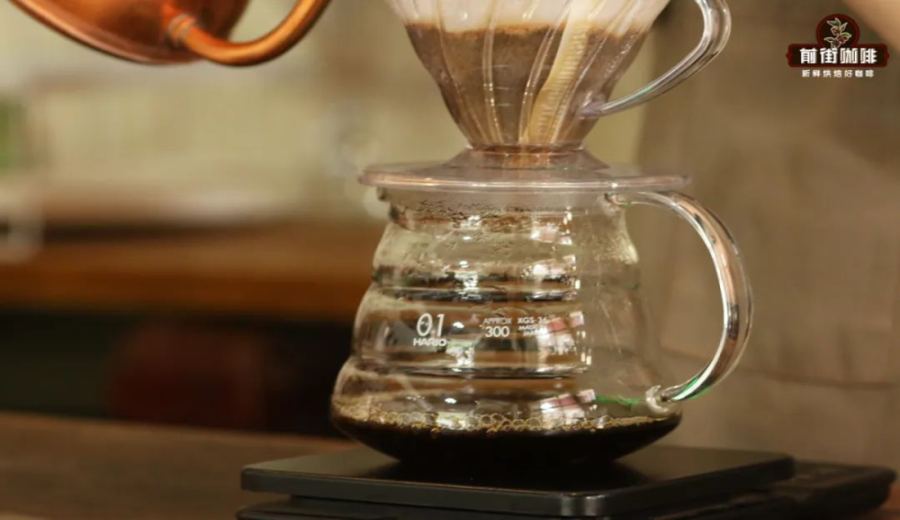
Introduction:The flavor profile of pour over coffee is largely shaped by the precise configuration of segmented pouring. Many beginners are often puzzled by how to allocate water after the bloom, unsure of how to adjust it to bring out the desired acidity, sweetness, and mouthfeel. Through experimental comparison, this article analyzes how different allocations of water in the second and third segments of a three-stage pour influence the extraction performance of Yirgacheffe Guddina, and offers practical operational advice and solutions to common issues to help you brew a more balanced and captivating cup.
One of the charms of pour over coffee lies in its ability to highlight the diverse flavor layers of coffee beans through adjustments in pouring techniques and parameters. Among these, segmented pouring is not only key to controlling extraction uniformity but also directly impacts the final balance of acidity and sweetness, as well as mouthfeel. However, many newcomers often feel at a loss when it comes to allocating water after the bloom, unclear on how to scientifically divide the water volume for each segment to achieve the desired flavor characteristics.
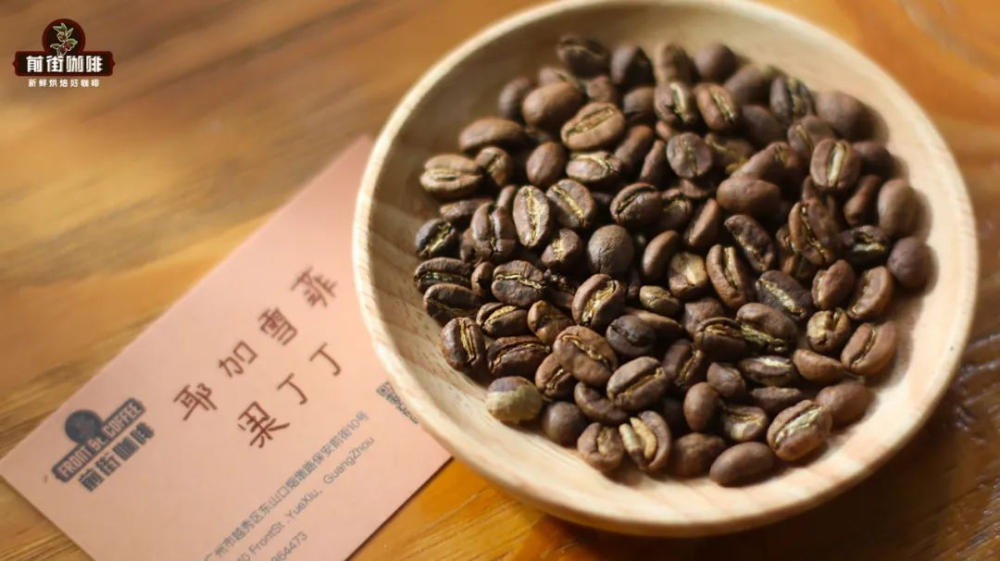
To delve deeper into how different water allocations affect flavor, we conducted a comparative experiment using Yirgacheffe Guddina as the sample with a three-segment pour. The experimental conditions were kept constant: 15 grams of coffee, a 1:16 coffee-to-water ratio, medium-fine grind (approximately 80% passed through a #20 sieve), and a water temperature of 91°C. Only the water volume for the second and third segments was adjusted to observe differences in acidity, sweetness, mouthfeel, and aftertaste. The experiment also revealed potential effects of puck height and water level changes on extraction uniformity, along with practical adjustment strategies.
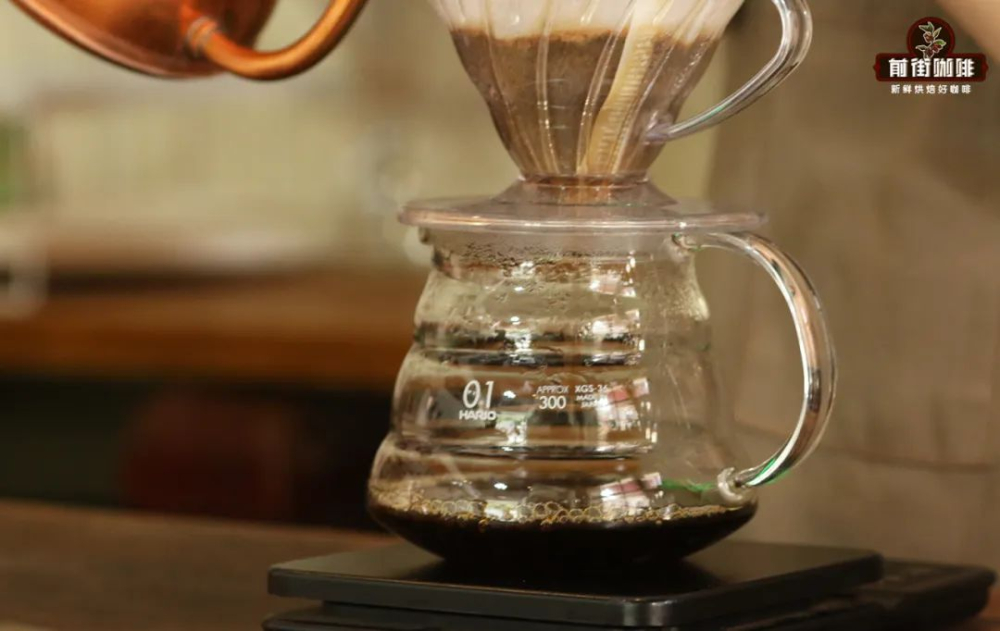
Commonly used segmented pour methods typically involve three stages (including the bloom) or four stages (referred to as "three pours," excluding the bloom). This experiment used the three-stage method, where the first stage is the bloom, and the remaining two stages are the focus of the water allocation adjustments. We designed three different allocation combinations: the first group allocated more water to the second segment than the third; the second group used equal water volumes for the second and third segments; the third group allocated more water to the third segment than the second. The specific water volumes used in the experiment were as follows: Group 1 – bloom 30 ml, second segment 130 ml, third segment 80 ml; Group 2 – bloom 30 ml, second and third segments 105 ml each; Group 3 – bloom 30 ml, second segment 80 ml, third segment 130 ml. The total extraction time ranged from 2 minutes 03 seconds to 2 minutes 12 seconds, with little variation, but the flavor profiles differed noticeably.
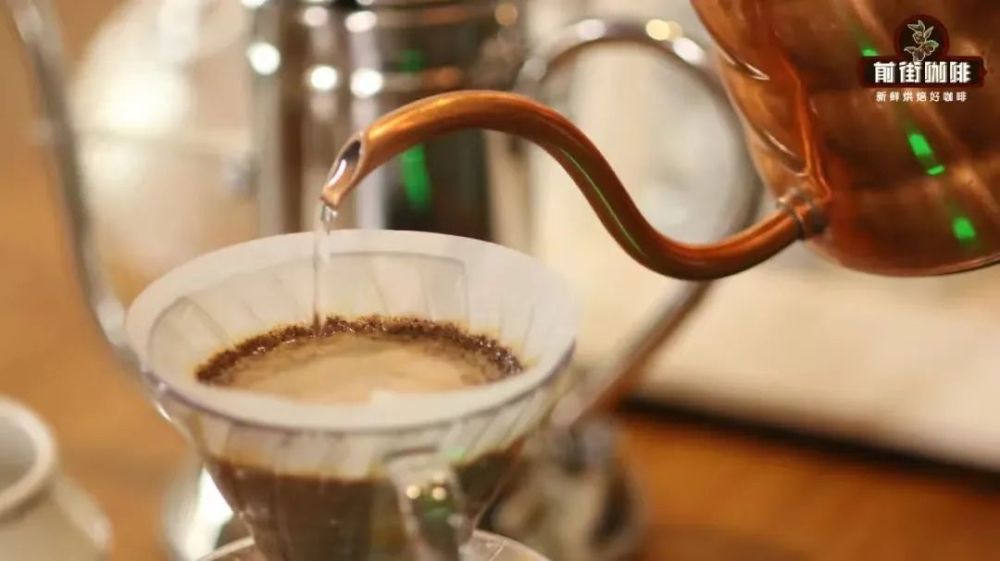
From the experimental results, all three samples exhibited the typical floral notes, citrus acidity, and delicate green tea-like qualities of the bean, but each had its own distinct highlights. In terms of acidity, Group 1, with a higher initial water volume, displayed a more vibrant and pronounced acidity, outperforming Groups 2 and 3; for sweetness, Group 2 performed best, followed by Group 3, while Group 1 had relatively weaker sweetness; in mouthfeel, Group 2 was the most full-bodied and balanced, Group 1 came next, and Group 3, due to a higher latter-stage water volume, felt thinner; in aftertaste, the differences among the three were minimal, with all retaining a clean and refreshing finish.
Further analysis of the principles involved reveals that the efficiency of water flow in agitating the coffee bed affects the rate and proportion at which coffee compounds are released. A larger initial water volume can promote the early dissolution of acidic compounds, resulting in a fresher and brighter cup; conversely, a higher proportion of water in the later stages helps extract sweet compounds and fuller body, leading to a rounder and richer overall flavor. However, if the later-stage water volume is too high and not properly controlled, the excessively high water level may disrupt the integrity of the coffee puck, causing some water to flow through the edges of the filter too quickly, reducing extraction uniformity and affecting mouthfeel fullness.
It’s worth noting that the formation of a stable coffee puck (“puck wall”) usually only occurs during the first pour after the bloom. If the water volume in the second segment is too low and fails to sufficiently support the coffee bed, the puck height will be inadequate. Taking Group 3 of this experiment as an example, with only 80 ml of water in the second segment, the relatively low water level meant that the subsequent 130 ml in the third segment could easily cause the water level to quickly exceed the puck height, resulting in some water flowing through without adequate extraction and thus impacting the overall richness and balance of the cup.
Therefore, when planning the water allocation for segmented pouring, in addition to considering flavor goals, it’s also essential to evaluate the relationship between water level changes and puck stability. If you wish to enhance sweetness and body by shifting the water distribution toward the later stages, it is recommended to split the latter-stage pours into two separate steps. This not only helps avoid the water level overwhelming the puck too early but also improves overall extraction stability and layering. Additionally, observing most publicly available pour over recipes, common reference ratios tend to fall around “60–70% in the first stage, 40–30% in the latter stage,” such as a “6:4” or “7:3” split. This configuration typically contributes to a more balanced extraction outcome.
In summary, segmented pouring in hand brewing is not merely about allocating water based on experience, but rather requires a comprehensive consideration of multiple variables such as coffee variety characteristics, grind size, water temperature, and the state of the coffee bed. By conducting practical tests and fine-tuning, you can find the pouring rhythm and water ratio that works best for you. Only in this way can you fully unlock the unique potential of each coffee bean and present its most captivating flavor profile.
The above content is compiled by CoffeeHunters, a coffee news website.


