







Introduction:Many pour over coffee enthusiasts have the habit of tapping the filter cone before pouring water to flatten the coffee grounds layer and ensure even extraction. However, this seemingly harmless action may subtly alter the internal structure of the coffee bed, affecting the degassing process during the bloom phase and ultimately compromising the overall extraction quality. This article delves into the actual impact of tapping the filter cone on the distribution of fines, using comparative images and step-by-step analysis to help you understand how the coffee bed structure influences flavor, and provides more scientific suggestions for leveling the coffee bed.
In the pour over process, the uniformity of the coffee grounds layer has a decisive impact on extraction results. Many coffee lovers, in order to achieve an even coffee bed surface and consistent water flow, often gently tap or shake the filter cone before pouring to adjust the flatness of the grounds. But behind this common action lies a frequently overlooked detail—tapping the filter cone may alter the internal structure of the coffee bed, thereby affecting the efficiency of gas release during the bloom phase.
When you tap or shake the filter cone, the coffee grounds inside are subjected to vibration and gravity, causing the fines that were originally attached to larger particles or filling the gaps between them to slide down to the bottom of the filter. As a result, while the upper layer of the filter may still appear fluffy with coarse particles, the bottom forms a dense, compacted layer due to the accumulation of fines—an invisible change that can't be easily detected by the naked eye.
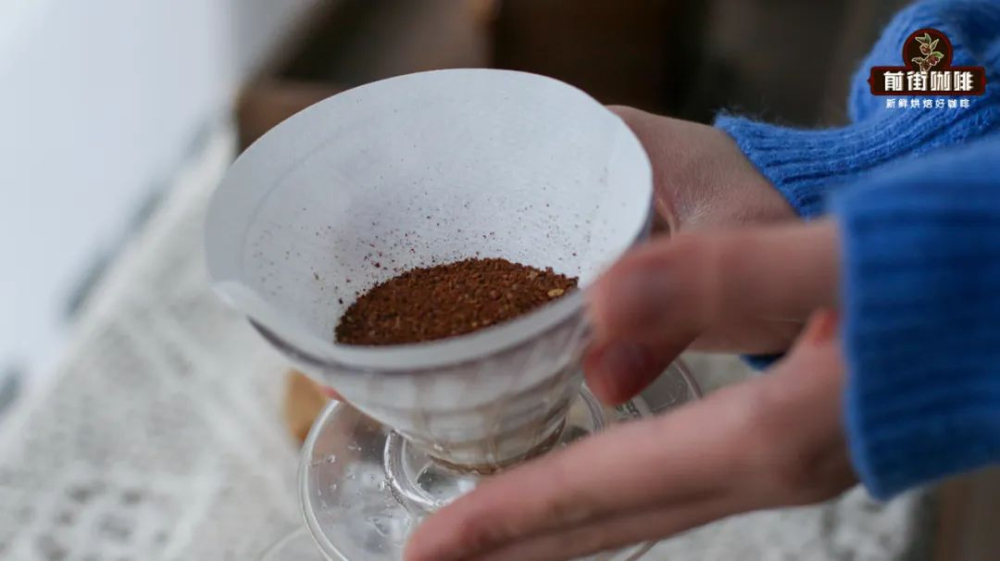
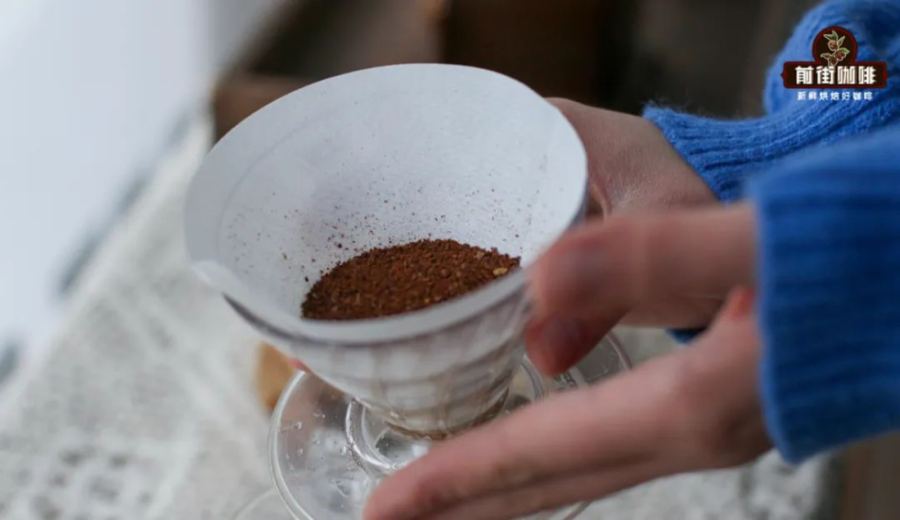
Two sets of comparative images clearly illustrate the difference: the left image shows the coffee grounds layer freshly poured into the filter and untouched, with a natural and fluffy mix of coarse and fine particles distributed across the surface; the right image shows the grounds after multiple taps, where the coarse particles on the surface appear more distinct with clearer boundaries, potentially misleading one into thinking the grind size has become coarser. In reality, it's just an illusion caused by the fines being shaken to the bottom.
Another set of images showing the filter cone tilted provides a more intuitive view of the problem. When the filter is gently tilted, the tapped coffee bed clearly reveals fines settled and compacted at the bottom, forming a dense sediment layer. This redistribution of fines not only changes the appearance of the coffee bed but also directly disrupts the gas release process during the bloom stage.
Why does fines deposition affect the bloom? In the initial stage when coffee grounds come into contact with water, carbon dioxide gases within the coffee particles begin to release—a phase known as the “bloom degassing.” If a dense layer forms at the bottom of the coffee bed due to fines accumulation, gases will struggle to rise through smoothly, resulting in poor degassing. This can trap some heat and gases within the coffee bed, thereby affecting the uniformity of extraction and overall flavor expression.
Observing the actual bloom performance, you’ll notice that an untapped coffee bed expands evenly during blooming, releases gases smoothly, and exhibits gentle color transitions. In contrast, a tapped coffee bed may show uneven degassing, incomplete expansion, or even chaotic bubble distribution on the surface—all consequences of uneven fines distribution.
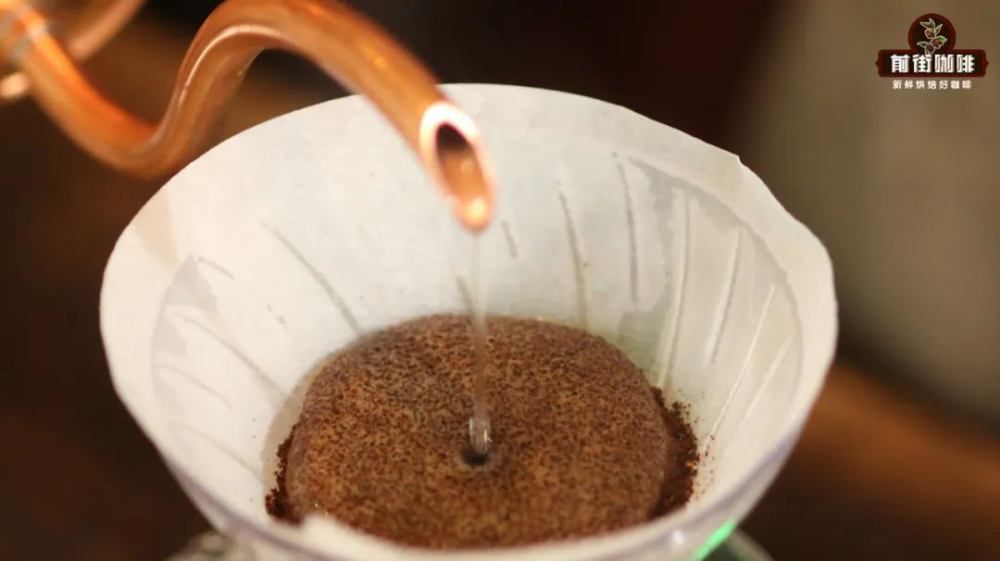
Therefore, for coffee enthusiasts aiming for precise extraction and consistent flavors, it is recommended to avoid directly tapping the filter cone when leveling the coffee bed. Instead, gently scrape the surface of the coffee grounds to flatten it or use tools (such as the back of a spoon or a dedicated coffee bed leveling tool) to evenly spread any excess grounds, maintaining the natural distribution of coarse and fine particles. This ensures smoother gas release during the bloom, laying a solid foundation for better extraction from the very first step.
In summary, although tapping the filter cone may seem like a trivial action, the changes it causes in fines distribution and coffee bed structure can significantly influence the quality of your pour over coffee. Understanding the science behind it helps you make smarter choices in your daily brewing routine, further enhancing the consistency and complexity of your coffee’s flavor.
The above content is compiled by CoffeeHunters, a coffee news website.


