







Introduction:Size is not the key to success—precise positioning and consistent output are what truly matter. This article delves into how neighborhood coffee shops can build high-repeat local brands through strategic location selection, quality control, and innovative marketing activities, while also sharing practical loyalty programs such as points, stamp cards, and scratch-off promotions.
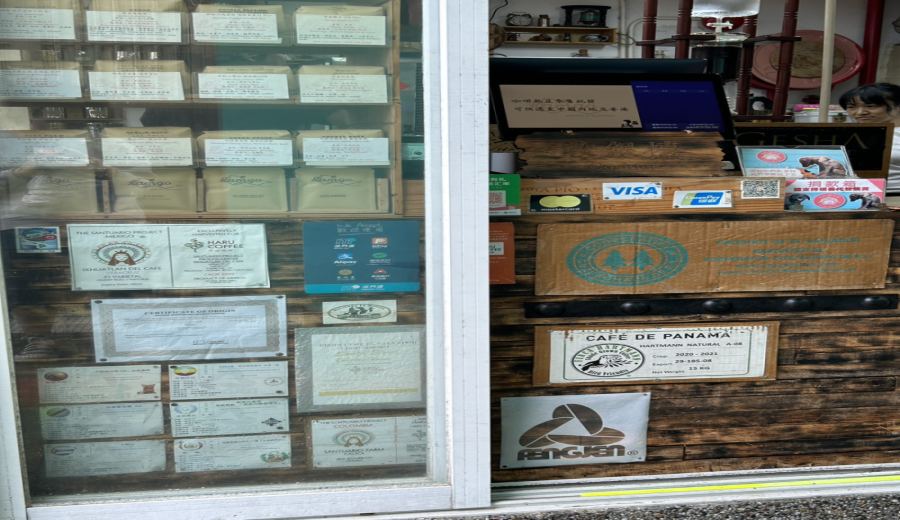
A tiny 20-square-meter coffee shop tucked away on a Macau street corner impresses with its stable output and strong rapport with regulars; similarly, a one-square-meter Japanese coffee shop transformed from a former cigarette kiosk has become a community landmark. These success stories reveal that the fate of a coffee shop does not hinge on its size, but on its ability to precisely meet the needs of the community.
From location strategy to product control, and from customer engagement to repeat purchase incentives, this article systematically outlines the key operational elements for neighborhood coffee shops in 2023 and provides actionable, ready-to-implement solutions.
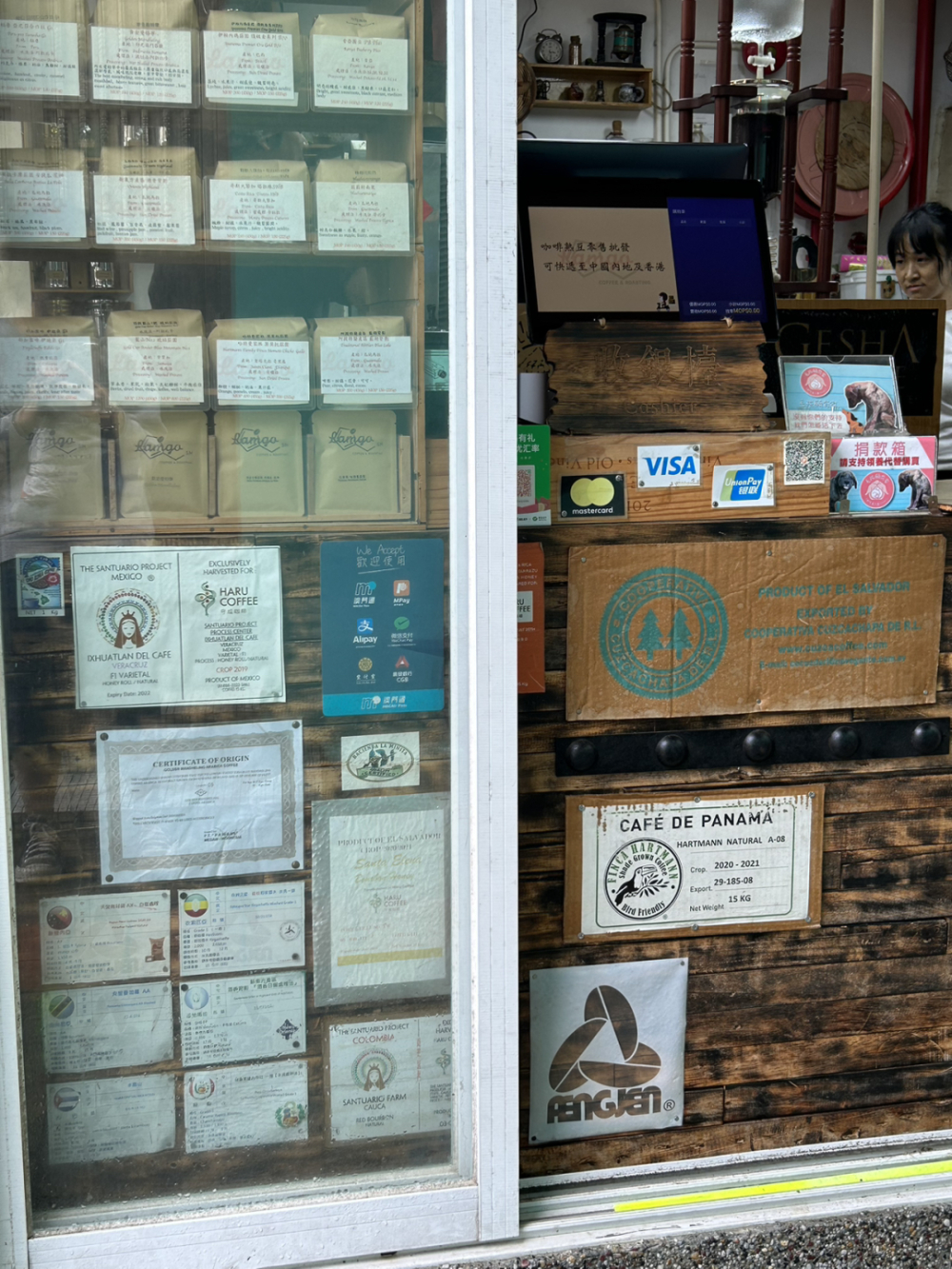
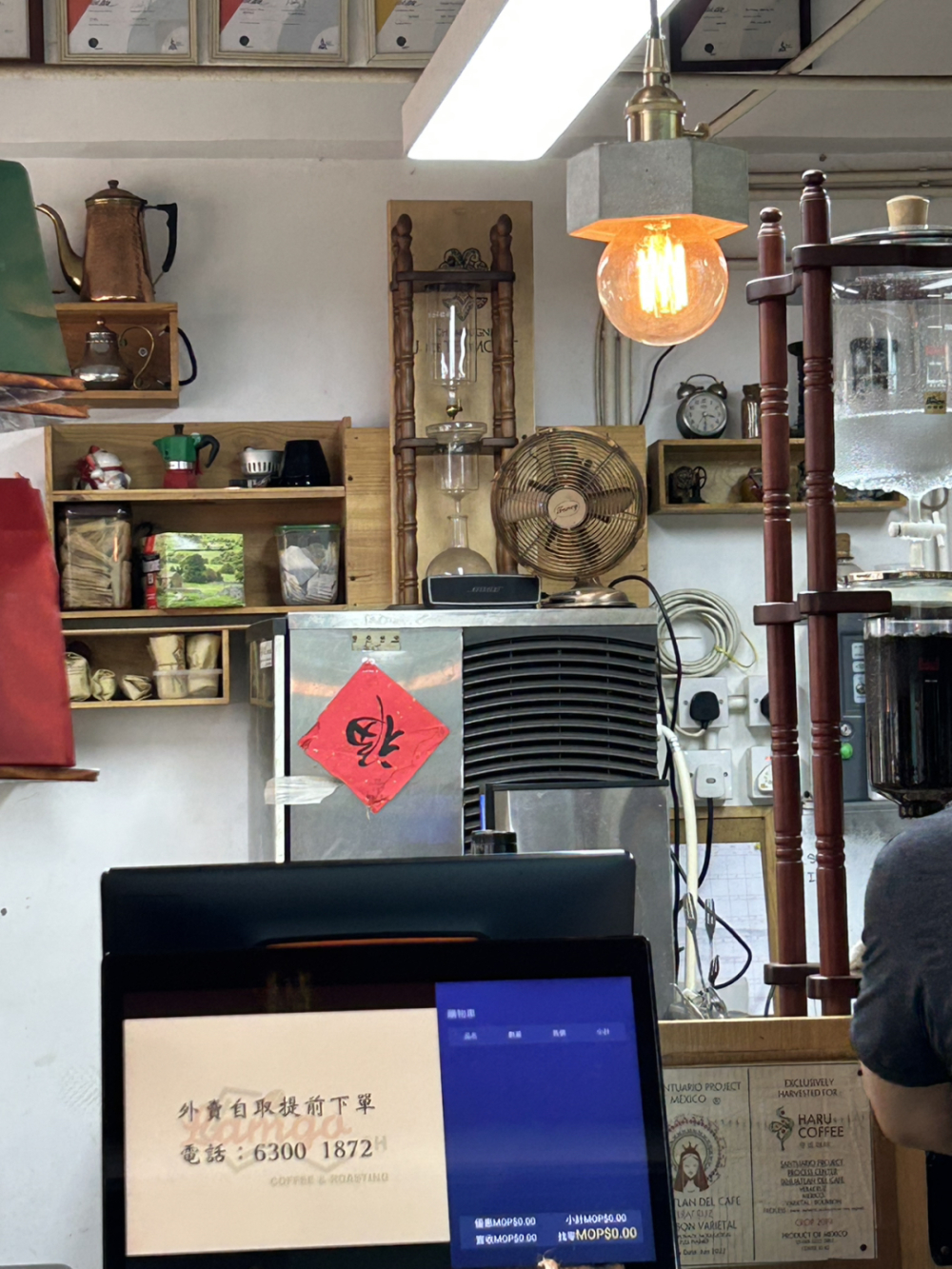
The author once took shelter from the rain in a small coffee shop in Macau. Though compact, it was fully equipped, showcasing professionalism with its freshly roasted beans and various brewing methods. Even when taken home for self-brewing, the quality remained consistent—an essential hallmark of a neighborhood coffee shop’s competitive edge.
Observations show that successful small coffee shops often focus on serving local clientele, with baristas remembering regular customers’ preferences and offering personalized service. This blend of warmth and expertise is key to cultivating loyal customers.

The success factors of a neighborhood coffee shop can be summarized as:Precise location selection,Consistent quality,High cost-performance ratio, andAttentive service. Post-pandemic, avoiding high-rent commercial areas and focusing on community markets has become a new trend.
Adding delivery services can expand reach, but standardized processes must be established to ensure efficient order fulfillment. In ingredient selection, prioritize locally popular and cost-effective options rather than blindly chasing industry trends.
Consistency in product quality is crucial—whether for dine-in or delivery, standards must remain uniform. This requires rigorous processes spanning green bean sourcing, roast level control, and brewing parameters.
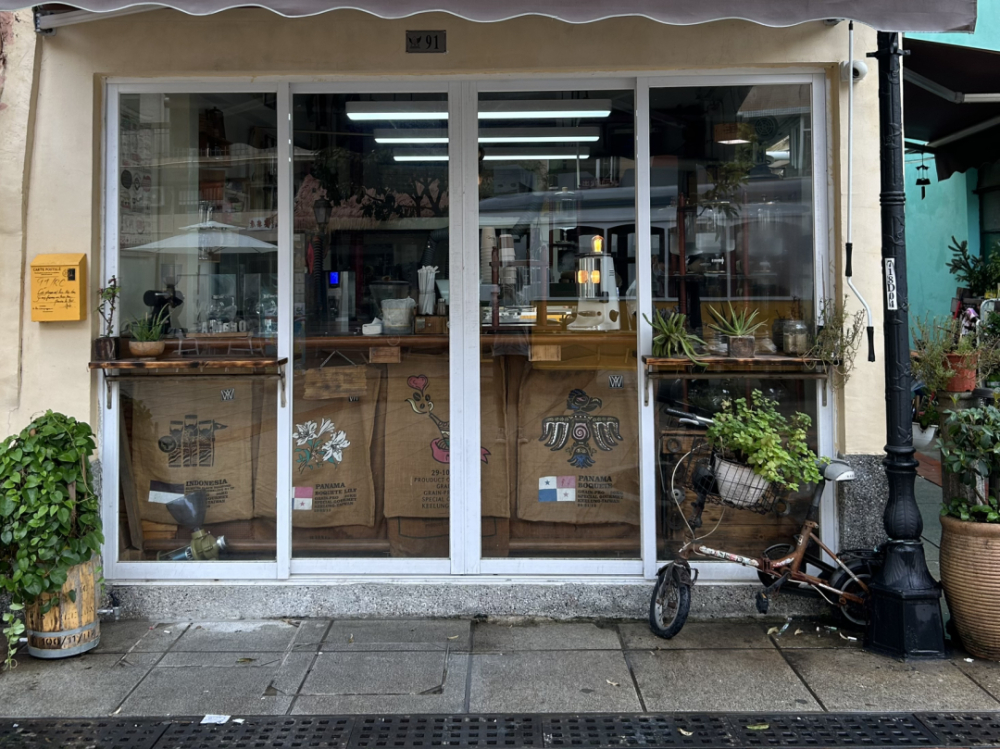
Cultivating a loyal customer base is the survival strategy for neighborhood coffee shops. Tracking regulars’ preferences and visit times, then offering timely personalized service, can significantly boost satisfaction and return rates. Acquiring new customers costs far more than retaining existing ones—a timeless business principle.
Practical marketing tools include:Membership point systems(earn points with purchases, redeemable for beans or merchandise),Stamp card campaigns(earn free flagship product experiences through visit frequency), andScratch-off games(win prizes with qualifying purchases). These strategies work for both dine-in and delivery, effectively increasing customer revisit rates.
In summary, the success of a neighborhood coffee shop relies on deep understanding of local needs and unwavering commitment to quality. With precise strategies and creative marketing, even a small space can become a beloved coffee hub.
The above content is compiled by CoffeeHunters, a coffee news website.


