







Introduction:Want to boost your energy by drinking coffee but not sure which type has the highest caffeine content? This article delves into common coffee beverages such as espresso, pour over, Americano, and instant coffee, comparing the actual milligrams of caffeine per cup. It also explains the differences between Robusta and Arabica beans, as well as the truth behind low-caffeine and decaffeinated coffee. Help you choose the most energizing coffee based on your needs.
The reason coffee can help invigorate the spirit lies in its key component: caffeine. However, with so many types of coffee available on the market—from espresso and drip coffee to single-origin pour over—what exactly is the coffee with the highest caffeine intake and most noticeable energizing effect? The answer is actually closely related to the type of coffee bean you choose and how it’s brewed.
This article will analyze the caffeine content differences between coffee beans such as Robusta and Arabica from both scientific and practical perspectives, explain what naturally low-caffeine coffee and fully decaffeinated coffee are, and finally provide reference data on caffeine content for common coffee beverages—including pour over, espresso, Americano, and instant coffee—measured per “cup.” This allows you to select the most awakening cup based on different occasions.
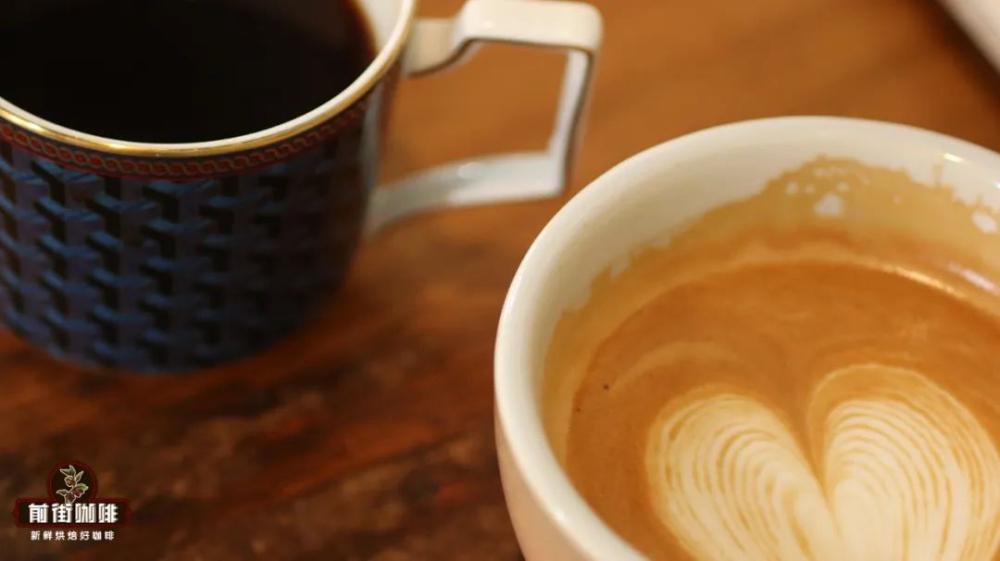
In fact, the earliest reason people started drinking coffee was precisely for its outstanding energizing effect. Whether you enjoy standing at the bar and downing a shot of espresso for that intense kick, brewing a cup of American black coffee slowly using a drip pot in the office, or visiting a café to savor the layered flavors brought by a professional pour over—these various forms of coffee all offer a certain level of stimulation. The difference lies in personal preference, usage scenario, and flavor expectations, hence the varied choices.
So, which type of coffee has the strongest energizing effect? The answer is actually quite simple— the higher the caffeine content, the more noticeable the stimulating effect usually is. And the final caffeine content in a cup of coffee is mainly influenced by two major factors: first, the concentration of caffeine inherently found in the coffee beans used, and second, the brewing method and ratio during preparation. Let’s take a deeper look at these two key aspects.
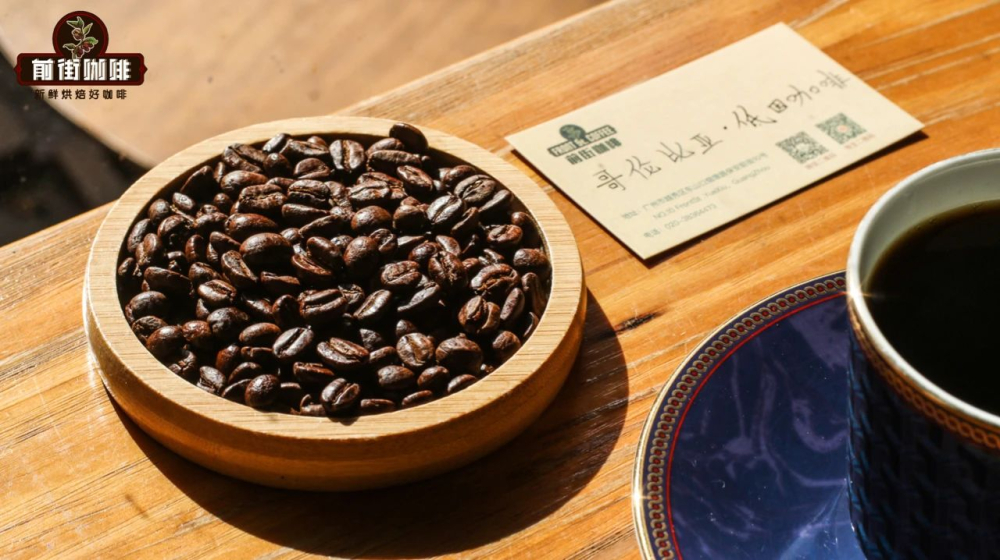
If you want to consume more caffeine, Robusta coffee beans would be the better choice, with a caffeine content generally around 2%, much higher than the commonly seen Arabica. On the other hand, if you want to reduce your caffeine intake—such as if you’re sensitive to caffeine or prone to insomnia at night—it’s recommended to opt for Arabica beans, whose caffeine content typically ranges between 1% and 1.5%.
Additionally, there is what’s known as “naturally low-caffeine coffee” on the market, which still belongs to the Arabica variety but has been cultivated through selective breeding or natural processes to reduce caffeine content to about 0.6%, which is lower than regular Arabica but still not extremely low. If you have zero tolerance for caffeine, it’s advised to choose “decaffeinated coffee (Decaf),” where the coffee beans undergo chemical or carbon dioxide extraction methods to remove the vast majority of caffeine, leaving a residual amount usually below 0.1%—almost negligible.
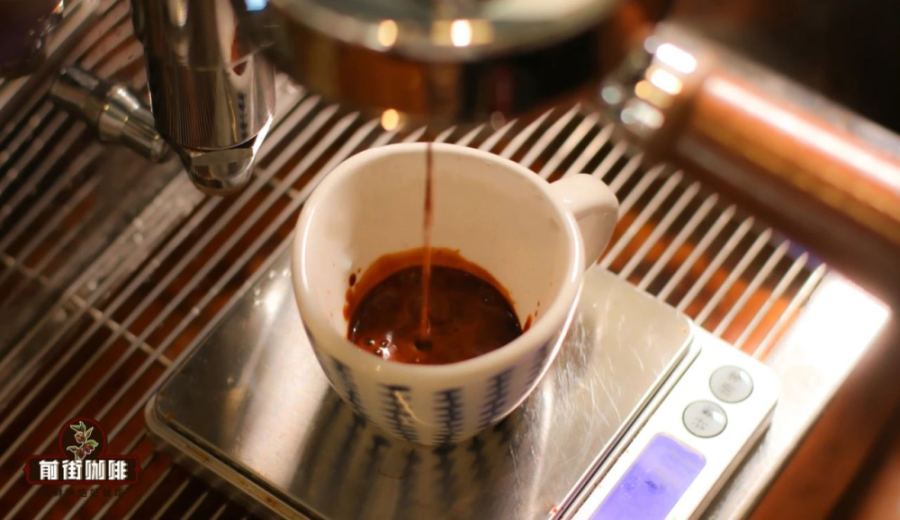
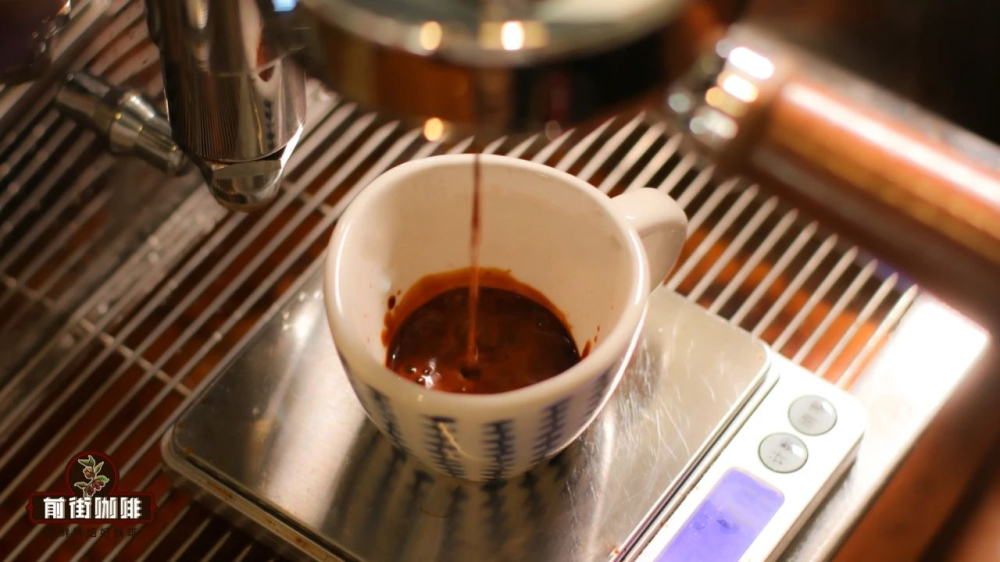
It’s worth noting that the labeling of many ready-to-drink coffees or packaged beverages often presents caffeine content as “X mg per 100 ml,” and while this volume-based labeling is intuitive, comparing the actual intake of different beverages is actually more realistic when measured per “cup.” For example, for espresso-based coffee—whether it’s made into a shot of Espresso, an Americano, or a milk-added Latte—as long as the amount of espresso base used is consistent, the difference in caffeine content is actually minimal.
In addition, the number of grams of coffee grounds used during extraction is also an important parameter affecting caffeine intake. For instance, using 20 grams of coffee grounds to brew a pour over coffee of about 260 ml yields approximately 120 mg of caffeine; whereas a standard packet of instant coffee usually contains only about 50 mg of caffeine per cup. If you’re looking for a quick and noticeable energizing effect, pour over or espresso-type coffees may be more effective.
Below, we’ve compiled the approximate caffeine content of several common coffee beverages (per cup, based on Arabica beans). It should be specifically noted that cold brew and ice drip have longer extraction times; the data here is based on a standard 8-hour ice drip and 12-hour cold brew process, with actual intake potentially varying slightly due to time and recipe.
• Pour over coffee (20g grounds / 260ml): approximately 120 mg
• Instant coffee (one standard packet): approximately 50 mg
Of course, besides the amount of caffeine consumed, the coffee brewing method, grind size, water temperature, brewing time, etc., also affect flavor and the overall sense of alertness. For those looking to improve focus or fight off afternoon fatigue, choosing a beverage with higher caffeine content, along with appropriate brewing parameters, can often yield more noticeable results.
Interestingly, according to the editor's real-life experience, sometimes letting the computer “drink” coffee can have a quicker energizing effect than a person drinking it directly. Of course, that’s just a joke—but choosing the right coffee really can make you more focused and clear-minded. Why not pick a truly suitable energizing coffee based on your own schedule and needs?
The above content is compiled by CoffeeHunters, a coffee news website.


