







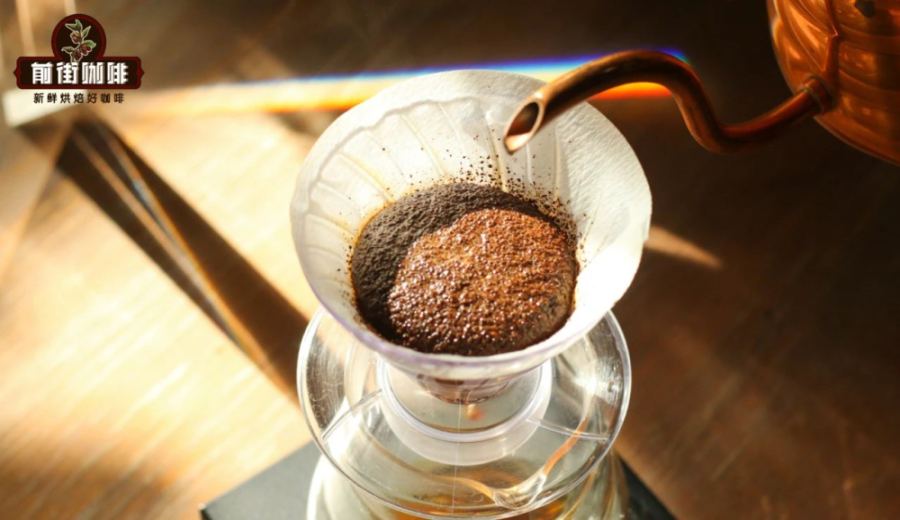
Introduction:Blooming is a frequently overlooked yet crucial step in the pour over process. Many beginners chase the perfect appearance of a so-called "coffee burger," but overlook its true purpose. This article delves into the science behind blooming—covering water volume, timing, and common mistakes in practice—to help you master this key element that shapes your coffee's flavor and elevate every cup you brew.
Although it may seem simple, the blooming step plays an extremely important role in pour over brewing. Many people believe that the extraction quality of a cup of coffee can be judged from the state of the bloom, and some even strive for the aesthetically pleasing "coffee burger" effect with a beautiful expansion. However, once you understand the principles behind blooming, you’ll find it’s not as complicated as it seems.
The primary purpose of blooming is to activate the carbon dioxide trapped within the coffee grounds. These gases are produced during the roasting process and can interfere with the efficiency of water interacting with the coffee. In the early days, when the concept of fresh-roasted coffee wasn’t widely embraced, many people found that freshly roasted beans didn’t perform well—partly because these volatile gases disrupted stable extraction. Now we know that properly releasing these gases helps unlock the flavors that follow.
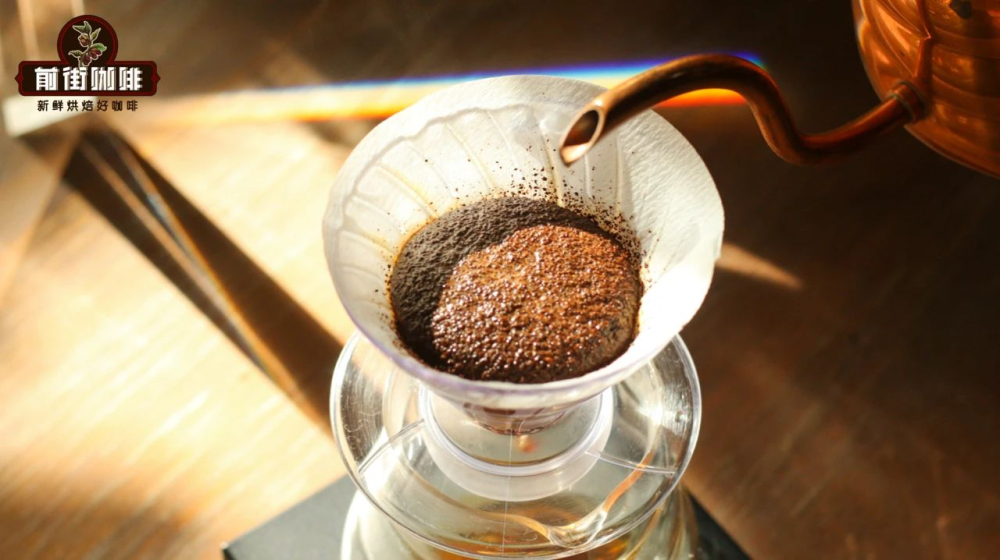
In practice, blooming typically uses about twice the weight of the coffee grounds in water. This ratio is widely considered effective for evenly saturating the coffee bed and allowing gases to escape smoothly. However, in some cases—even with double the water—the distribution may be uneven or the coffee may have varying absorption rates, leaving some areas insufficiently wet. In such instances, it’s advisable to adjust the water volume based on the actual situation to ensure all coffee grounds are covered, rather than rigidly sticking to the exact double amount.
As for the duration of blooming,around 30 secondsis generally recommended. This amount of time is usually sufficient for the coffee grounds to release most of their CO₂ without causing excessive oxidation. Blooming for too long may lead to aroma loss, while too short a time may result in incomplete extraction. Observing the degree of expansion in the coffee bed can also serve as a useful indicator—typically, you’ll see the coffee bed rise noticeably, which shows that internal gases are being released.

However, not all coffee grounds will expand dramatically. Some beans, due to darker roast levels or origin characteristics, may show less expansion. In such cases, slightly expanding the circular pouring path can help ensure even water penetration. For beginners, technique comes with practice—don’t get discouraged if the results aren’t perfect right away.
Another common mistake is worrying too much about water volume and timing, while neglecting basic water control skills. Some people find dry spots still remain on the coffee bed after blooming, indicating that the step hasn’t fully worked and will inevitably affect subsequent extraction. If you find that double the water isn’t enough to wet all the grounds, consider adding a bit more to ensure every particle is moistened—that’s the true goal of blooming.

In summary, although blooming is just one small step in pour over brewing, it’s a major factor that influences overall flavor. From controlling water volume and timing to ensuring even saturation of the coffee bed, every detail matters. Through consistent practice and observation, you’ll be better able to assess the state of your coffee grounds and improve both the quality and consistency of each pour over.

Whether you’re just starting out or already have some experience as a coffee enthusiast, revisiting the blooming step can bring new breakthroughs to your pour over experience. Remember, great coffee is not just about technique—it’s about respect and understanding of every single step.
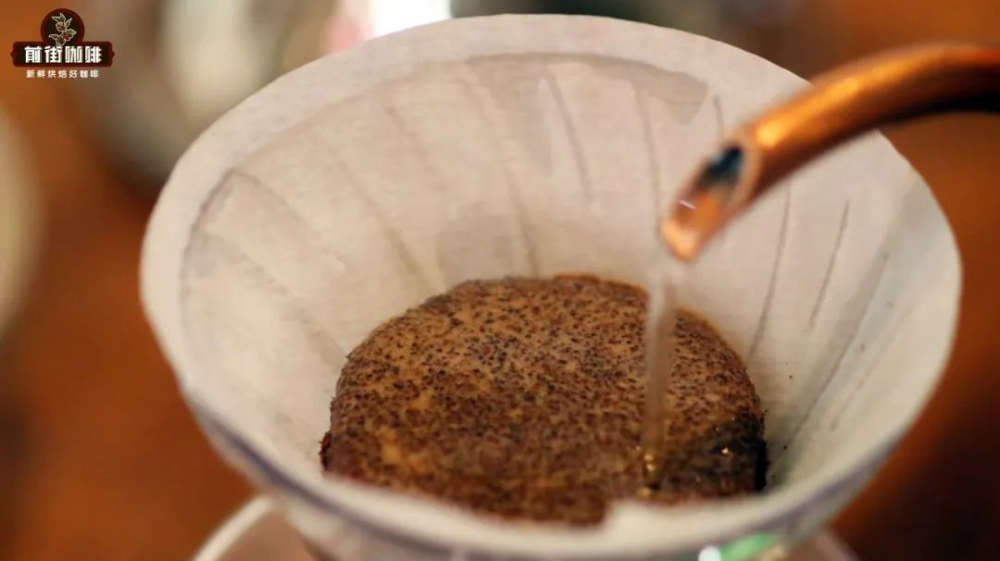
Finally, don’t forget to observe the subtle changes during each bloom—they’re important clues that can help you fine-tune parameters and enhance flavor. The world of coffee is full of details, and blooming is one crucial beginning that should never be overlooked.
The above content is compiled by CoffeeHunters, a coffee news website.


