







Introduction:Many coffee enthusiasts often hear that the natural processing method yields beans with richer sweetness, but is this really the case? This article delves into an in-depth analysis of the two mainstream coffee bean processing methods—natural and washed—exploring how they influence the final flavor from scientific perspectives such as pulp retention, fermentation mechanisms, and sugar metabolism. It particularly focuses on the balance between acidity and sweetness, while also extending the discussion to the critical roles of roasting and brewing methods in flavor expression, helping you make more precise choices based on your taste preferences.
When selecting coffee beans, many coffee aficionados tend to opt for naturally processed beans because they believe these beans inherently possess more intense sweetness and fruity aromas. But are naturally processed coffees always sweeter than washed ones? In reality, the source of sweetness is closely related to the processing method, fruit ripeness, and even subsequent roasting and extraction. This article will guide you through the differences between these two processing methods from a scientific standpoint, and how they shape the unique flavor profiles of coffee.
First, what we commonly refer to as "sweetness" mainly comes from the carbohydrates in green coffee beans, especially sucrose. The sugar content in coffee beans is influenced by factors such as variety, ripeness, and growing altitude, rather than being determined solely by the processing method. Research shows that compared to the washed method, the natural process retains more sugars, fats, and acids, giving natural beans a inherently richer flavor potential.
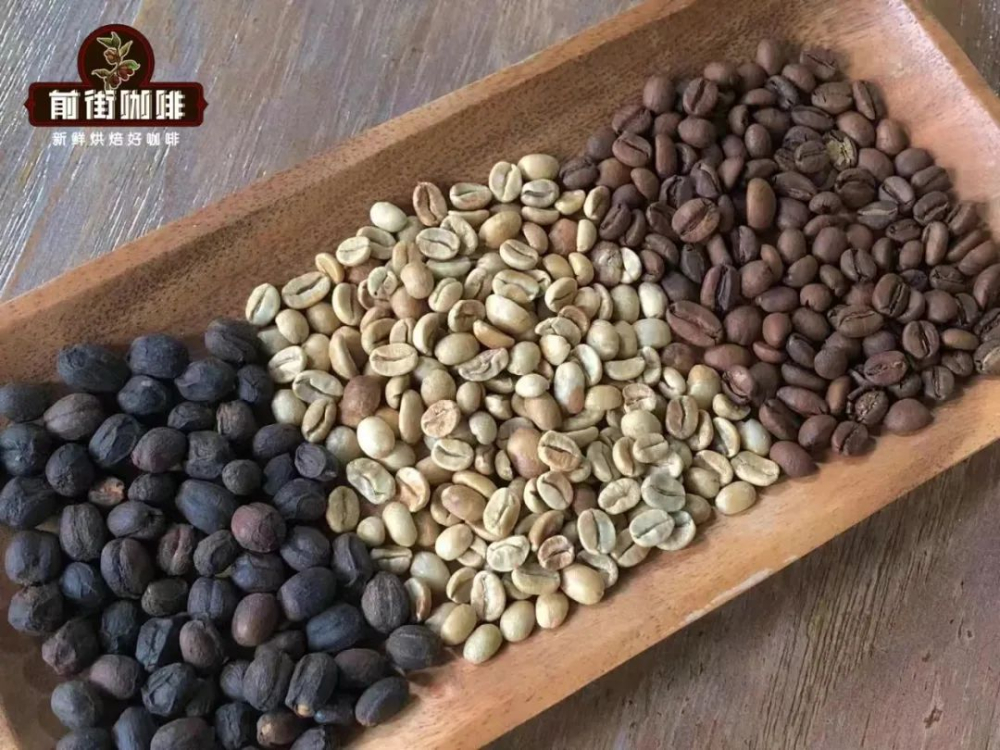
A coffee cherry itself consists, from the outside in, of the skin, pulp, mucilage layer, parchment, and silver skin, with the seed—the part we grind and brew—at its core. In the washed processing method, the pulp and skin are removed early on, leaving only the seed with adhering mucilage. This slimy mucilage is then broken down through fermentation in water tanks. However, this fermentation process can trick the coffee seed into thinking the environment is suitable for germination, thereby activating internal growth mechanisms that consume some monosaccharides (such as fructose and glucose), ultimately reducing the sugar content in the green beans, while also generating certain amino acids that contribute to aroma.
In contrast, the natural process allows the coffee fruit to dry along with its pulp. The plant hormones and moisture in the pulp can inhibit the seed’s germination response, causing metabolic activity to nearly halt and allowing sugar substances to be largely preserved. Moreover, the natural drying process usually takes longer, enabling more thorough fermentation interactions between the pulp and microorganisms—especially under tropical climate conditions—resulting in a more diverse range of volatile aromatic compounds, particularly esters. These compounds transform into captivating floral and fruity aromas during the subsequent roasting caramelization stage, further enhancing the expression of sweetness and flavor complexity.
However, it’s worth noting that although the natural processing method retains more sugars and flavor precursors, it also demands higher control over the processing procedure. If the fruit ferments excessively or becomes contaminated by mold during drying, it can easily produce undesirable off-flavors such as rancidity or overly strong fermented notes, which may mask the intended sweetness and even make the coffee unpleasant to drink. Therefore, stable weather, proper pulp handling, and rigorous drying procedures are key factors in determining whether a natural coffee can successfully showcase its sweet flavor profile.
Beyond the differences in processing methods, the techniques used during the roasting stage also significantly impact the final sweetness expression of the coffee. During roasting, sugar substances undergo Maillard reactions and caramelization, which not only affect the intensity of the flavors but also play a crucial role in balancing acidity, bitterness, and sweetness. An experienced roaster can identify the so-called "sweet spot," highlighting the harmony of sweetness and aroma while preserving appropriate acidity. Therefore, even with washed-processed beans, proper roasting can still yield surprisingly impressive sweetness.

Finally, extraction parameters are also an indispensable factor influencing the expression of sweetness. No matter how rich the inherent flavors of the coffee beans are, if the brew is too acidic or bitter, it can easily interfere with the palate's perception of sweetness. Common influencing factors include water temperature, grind size, brew time, and coffee-to-water ratio. It is recommended to pay close attention to these variables during brewing and adjust them to find your own personal balance point, in order to truly appreciate the subtle differences among coffees processed by different methods.
The above content is compiled by CoffeeHunters, a coffee news website.


