







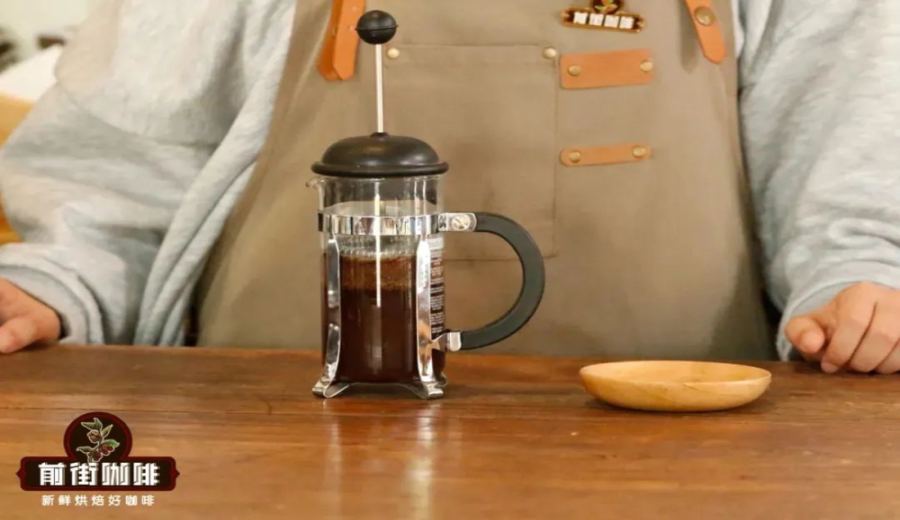
Introduction:The French press is the go-to daily brewing tool for many coffee enthusiasts — it’s simple to use and hard to mess up. But to brew a well-balanced and full-bodied cup, you still need to master some key parameters. This article will break down practical recommendations for grind size, water temperature, steeping time, and coffee-to-water ratio in French press brewing, and explore compatibility with different roast levels as well as cleaning tips to help you consistently produce rich and smooth coffee flavors.
The French press (French Press), with its straightforward operation, has become the preferred brewing device for many coffee beginners and everyday drinkers. Compared to methods like pour over that require precise pouring techniques, the French press only needs a few basic parameters controlled to consistently extract a well-balanced cup. However, what seems like a no-brainer immersion brewing method actually involves many details — including grind coarseness, water temperature settings, steeping duration, and coffee-to-water ratio — all of which directly affect the final flavor experience.
From extensive brewing experience, we’ve compiled several recommended values: it’s suggested to use a medium-coarse grind with about 70% passing through a Chinese Standard No. 20 sieve.Coarse Grind, with a texture similar to coarse sugar. This level not only reduces the risk of over-extraction but also minimizes the chance of ultra-fine particles passing through the metal filter, avoiding a cloudy mouthfeel.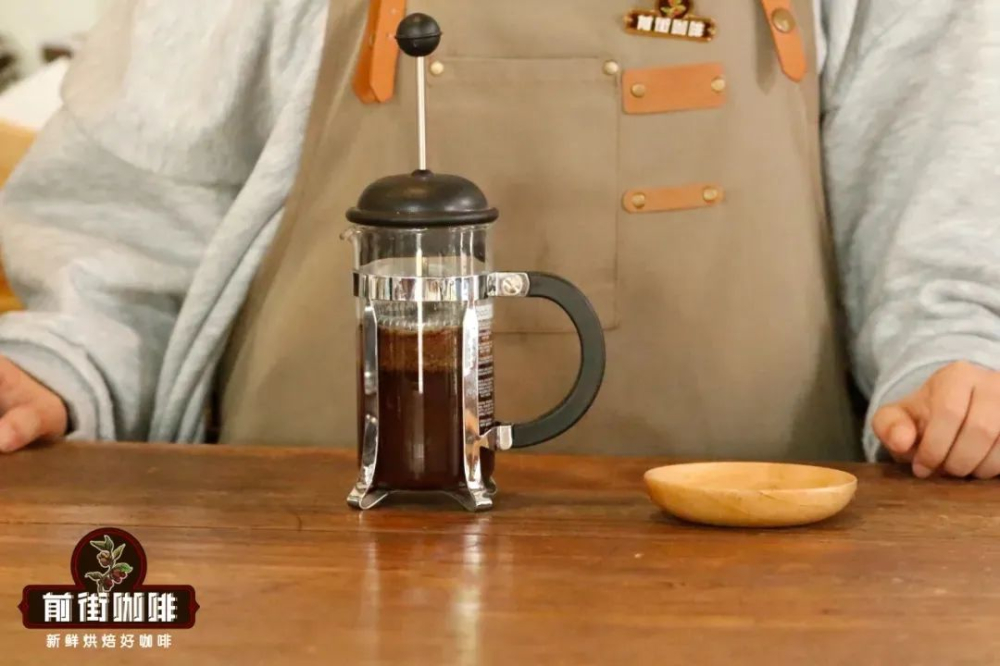 If you prefer a richer and more layered cup, you can try a slightly finer grind, but be sure to shorten the steeping time to prevent excessive flavor release.
Steeping time is an extremely critical variable in French press brewing. Since the coffee grounds remain undisturbed throughout the entire process,the duration of steepingdirectly determines the amount of extraction. Generally speaking, for medium to light roasted beans, a steeping time of around 4 minutes is recommended to fully showcase fruity acidity and aroma; whereas medium to dark roasted beans, which already have intense flavors, are better brewed for about 3 minutes and 30 seconds to avoid bitterness and woody notes. This timing strikes a balance between flavor and mouthfeel.
The French press employs a one-time pouring and static brewing method, so the startingwater temperaturewill gradually decrease over time. It’s advisable to use a slightly higher temperature than in pour over. For medium to light roasted beans with pronounced acidity, a water temperature of 92–94°C is suitable, helping to highlight fruity and floral notes; for medium to dark roasted beans with caramel and nutty profiles, 89–90°C is recommended to prevent high heat from accelerating bitterness. If brewing in colder environments like autumn or winter, you can preheat the French press with hot water beforehand to reduce heat loss.
When it comes to coffee strength,coffee-to-water ratiois an essential factor. A commonly recommended ratio is 1:16 — for example, 15 grams of coffee grounds to 240 milliliters of water. This yields a coffee strength of around 1.1% to 1.2%, offering a refreshing and layered taste. For those who prefer a stronger flavor, a 1:15 ratio can also be tried, and adjustments can be made based on personal preference.
Many users wonder: “Is my coffee bean suitable for French press brewing?” In principle, the French press works with any beans suitable for pour over, but due to its static immersion method, it excels at highlighting the boldness and balance of medium to dark roasted beans, especially those with flavors of dark chocolate, nuts, or caramel. In contrast, the floral and fruity notes of light roasted beans may be muted in this process, resulting in less distinct flavor layers.
Lastly, daily cleaning and maintenance of your French press are equally important. The metal filter and plunger can accumulate coffee oils over time, and once oxidized, they not only affect brewing flavor but may also produce off-odors. After each use, it’s recommended to disassemble the metal filter and clean all parts thoroughly with a neutral detergent, ensuring everything is completely dry before storage. This extends the life of the equipment while maintaining the purity of each cup of coffee.
The above content is compiled by CoffeeHunters, a coffee news website.


