







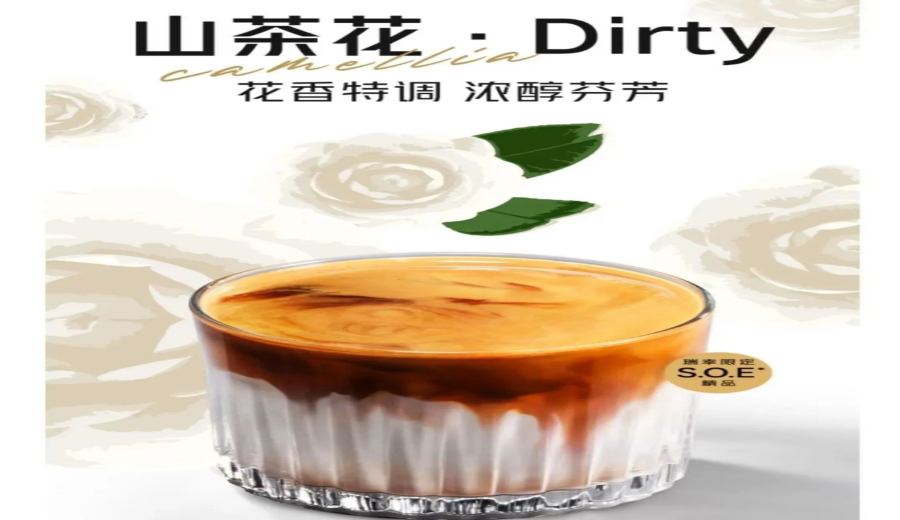
Introduction:In recent years, the flavor profile of the coffee market has been continuously evolving. Following the wave sparked by the coconut latte, this year it's the "floral elements" that have taken center stage. Luckin Coffee’s camellia Dirty, Seesaw’s osmanthus series, and Starbucks’ osmanthus Flat White have all illuminated the coffee flavor wheel with floral aromas. This article will delve into how this floral trend has emerged, which floral notes are most popular, the differing market responses to mainstream and niche options, and how consumers can taste and choose these brews—helping you catch the next potential coffee flavor craze.
Global coffee market innovation never stops, and the flavor spectrum continues to expand—from classic milk coffees and fruit-forward profiles to the increasingly prominent floral theme in recent years. Especially in the Chinese market, coffee is no longer just a pick-me-up beverage but a vessel that blends culture, lifestyle aesthetics, and personal expression. Following the astonishing sales record set by the coconut latte, this year’s "floral lattes" have rapidly risen in popularity, with various brands competing to draw inspiration from floral scents such as camellia, osmanthus, and gardenia, launching refreshing and innovative coffee creations.
Take Luckin Coffee’s camellia Dirty as an example. This innovative Dirty combines Ethiopian Yirgacheffe beans, cold thick milk, and camellia flavor elements. It first delivers a strong coffee bitterness and aroma, which then gradually unfolds into a bright citrus note and the delicate fragrance of camellia. It quickly sparked heated discussions on social platforms and was even hailed by fans as the "Chanel of the coffee world." The hallmark of a Dirty coffee lies in its hot-and-cold contrast and distinct layering. It is recommended to order it freshly made in-store and to take large sips to experience the transformation in the first three sips—from the intensity of the hot coffee to the smoothness of the cold milk, an experience hard to replicate with other brewing or serving methods.
In fact, this isn’t the first time coffee brands have tapped into the floral market. As early as last year, Seesaw launched a gardenia and pear latte, and this year it has further expanded its osmanthus series, including wine-fermented osmanthus latte, starry osmanthus latte, and roasted tea osmanthus oat milk, among others. These drinks use freshly brewed coffee as a base, accented with dried osmanthus for a clear layering and naturally sweet taste, earning praise from many consumers. Starbucks also laid its groundwork early, releasing osmanthus iced shaken espresso, osmanthus velvet latte, and osmanthus Flat White, combining osmanthus with oat milk to create a rich, velvety texture and long-lasting aftertaste.
Among the many floral choices, widely recognized flowers such as camellia, jasmine, osmanthus, and gardenia, which enjoy higher acceptance and cultural resonance, are often used in the development of mainstream coffee products, helping to enhance sales stability. However, niche flowers such as acacia and apricot blossom, although lower in market share, pique consumer curiosity due to their uniqueness and novelty value, becoming a differentiating edge for some brands. For example, the acacia blossom honey latte launched by Suzhou coffee brand Butalso, and the cold rose gold award latte from Guangzhou’s Qianyuan Coffee, have both successfully captured the attention of specific audiences.
Market feedback shows that mainstream floral lattes are significantly more accepted, especially among young consumers in first- and second-tier cities. These products combine familiar floral notes with coffee, satisfying the palate’s desire for adventure without being too avant-garde. Niche floral flavors, while riskier, can often create buzz and spark community discussions when paired well, adding value to brand image and fan loyalty.
To create a successful floral-flavored coffee, in addition to selecting the right base beans—such as Yirgacheffe with its bright acidity and pronounced citrus notes—it's also important to consider how floral flavors are added. Many brands opt for naturally extracted flavorings or highly stable flavored syrups to ensure consistent performance across each cup. Moreover, temperature control and drinking sequence are crucial. Dirty-style drinks emphasize the hot-and-cold contrast and are best served in ceramic cups for quick consumption to fully experience the layering shift; for lattes, floral ingredients that hold up well to heating can be chosen to allow the aroma to blend more thoroughly with the milk foam.
As the coffee consumption market matures, consumer expectations for flavors have evolved from simply “tasting good” to “being interesting, having a story, and leaving a memory.” The introduction of floral elements perfectly fills this gap—not only elevating the sensory experience of the drink but also endowing the product with more emotional connection and cultural depth. In the future, we may see more innovative floral coffees that incorporate seasonal blooms, local plants, or even cross-industry collaborations, continually expanding the boundaries of the market.
In summary, whether floral lattes can replicate the success of coconut lattes remains to be tested by the market. However, the innovative vitality and cultural depth they showcase have already provided a positive stimulus to the entire coffee industry. For brands, striking a balance between mass-market acceptance and bold innovation will be key to success; for consumers, this wave of floral flavors undoubtedly offers more opportunities for exploration and enjoyment.
The above content is compiled by CoffeeHunters, a coffee news website.


