







Introduction:Many beginners, when tasting specialty coffees like Geisha, often wonder why they can’t perceive the sweetness that baristas describe. In fact, it’s not that the coffee lacks sweetness—it’s just that our bodies are more sensitive to bitterness. This article will delve into how, during the pour over process, you can effectively enhance the sweetness of Geisha coffee by adjusting water temperature, grind size, brew ratio, and pouring technique—while also reducing the astringency and off-flavors caused by over-extraction. We’ll guide you step-by-step through the key techniques for achieving a balanced acidity and sweetness.
Many who are new to the world of specialty coffee often encounter this issue: why can’t they taste the “sweetness” that baristas talk about? In reality, it’s usually not because the coffee lacks sweetness, but rather because we are more sensitive to bitterness. The flavor potential of coffee is largely formed at the green bean stage, and the roasting process gives it a unique flavor direction. These two stages are difficult for the average consumer to directly participate in or influence. However, during the pour over extraction phase, we can still make practical adjustments to fine-tune the acidity and sweetness of the coffee—making the sweetness more pronounced while reducing unnecessary sharp acidity and off-bitterness.
Humans are naturally inclined toward sweetness and averse to bitterness, which is one of the main reasons why many beginners struggle to perceive the so-called “sweetness” when drinking specialty coffee. In fact, the reason many people don’t taste the sweetness described by baristas is often due to their heightened sensitivity to bitterness.
A coffee bean’s potential flavor characteristics are established during the green bean stage, while the roasting phase determines how these flavors are expressed—whether bright and lively or rich and full-bodied. As consumers, it’s hard for us to directly take part in these two stages. However, we can make choices based on our taste preferences—for example, those who dislike acidity can opt for dark roasted beans, those preferring lower bitterness can choose light roasts, fans of clean and acidic profiles may go for washed processed beans, while those seeking a rich sweetness and complex layers will often find natural processed beans to be the better option.
Although we can’t directly influence the earlier stages of coffee production, we can use certain techniques during the pour over phase to adjust the final flavor expression. It’s important to note, though, that brewing can only regulate the balance of acidity, sweetness, and bitterness to a limited extent, and cannot completely alter the foundational flavor profile of the coffee.
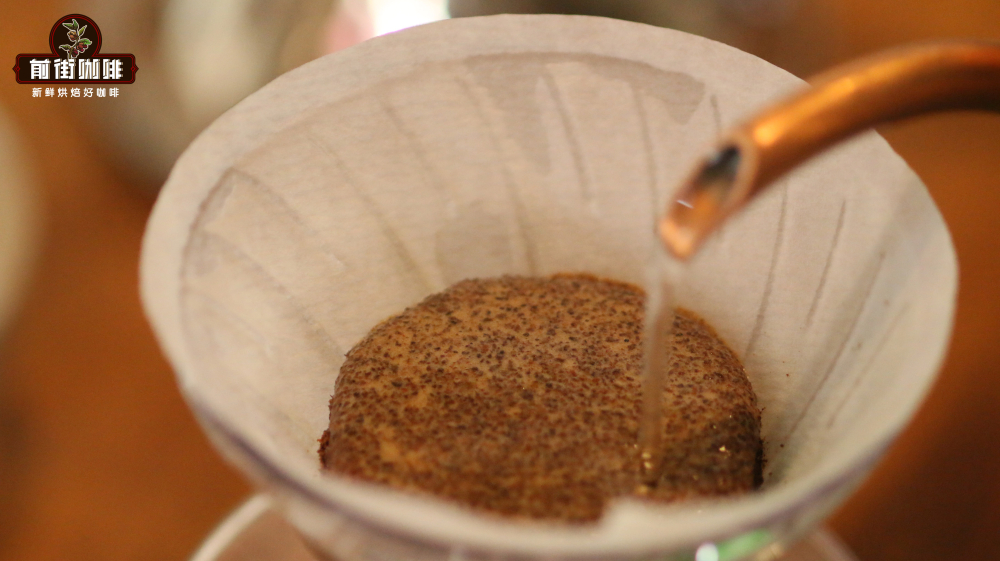
Temperature affects flavor expression: higher temperatures bring out sweetness, lower ones emphasize acidity
Many beginners brewing Geisha tend to overlook the significant impact water temperature has on the final flavor. Generally speaking, higher temperatures (such as 92–96°C) help extract sweetness-related compounds in coffee—like caramel, caramelized cream, and caramelized nuts—while lower temperatures tend to amplify acidity, especially the sharp sourness found in citrus and berry notes. Therefore, if you want to enhance the sweetness of Geisha, it’s recommended to use hot water close to 94–96°C for extraction.
Maintain a consistent grind size and avoid frequent adjustments
For delicate and flavor-active beans like Geisha, it’s recommended to use a medium-fine grind, similar in coarseness to fine sugar, and to keep it as consistent as possible. Over-adjusting the grind size can lead to uneven extraction, negatively impacting the balance between sweetness and acidity. If you find the coffee too acidic or lacking in sweetness, try adjusting other parameters such as brew ratio or pouring technique first, rather than immediately changing the grind setting.
Increase brew ratio and extend extraction time to boost sweetness
If you’re currently using a brew ratio of 1:15 or lower, consider adjusting it to 1:16. This extends the overall extraction time, allowing the sweetness compounds released in the mid-to-late stages more time to dissolve, thereby reducing the prominence of acidity and making the sweetness more noticeable. Of course, increasing water volume will slightly dilute the overall concentration of the coffee, so it’s best to adjust gradually—start with 1:16 and observe whether the flavor becomes more balanced and the sweetness improves. If the strength remains satisfactory, there’s no need to push the ratio higher.
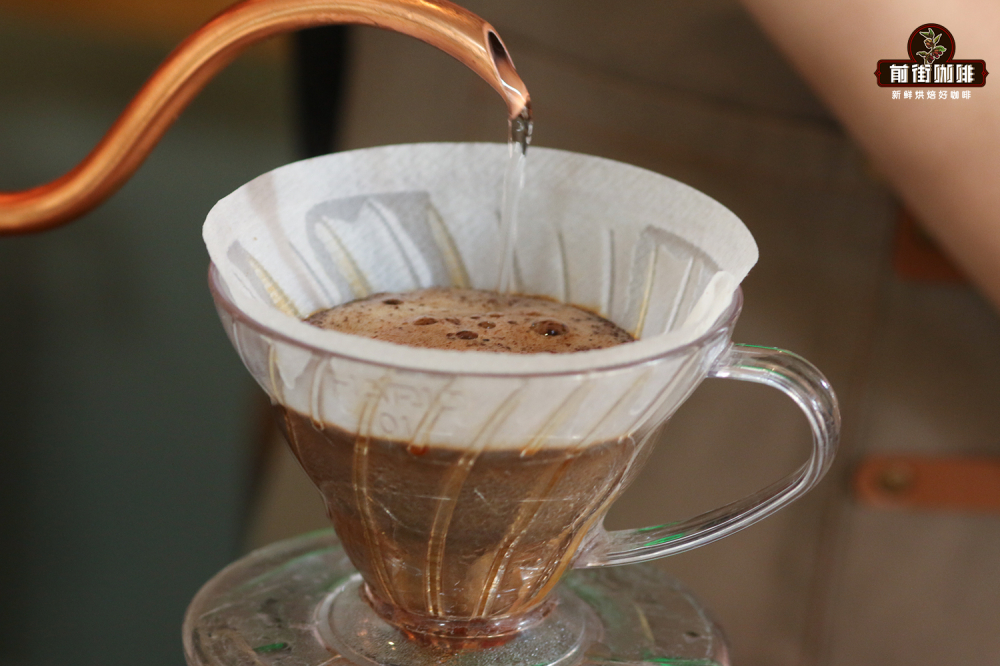
Brewing challenges for sweet extraction from dark roasted Geisha
Many experienced coffee enthusiasts often choose dark roasted beans to satisfy their craving for sweetness, as these beans typically showcase warm roasting aromas like nuts, dark chocolate, and almonds, with sweeter elements such as cocoa, caramel, and maple being more prominent. However, medium-dark roasted beans, due to prolonged and intense heat exposure, have a looser internal structure, and the caramelization reactions are more pronounced. Under the same brewing conditions, bitter compounds are more easily released. If brewing parameters aren’t well controlled, it’s easy to end up with a bitter aftertaste and a dry, astringent sensation in the throat—a common challenge for many beginners practicing pour over techniques.
Optimization suggestions for sweet extraction from dark roast
To fully highlight the sweetness of dark roasted Geisha while suppressing excessive off-bitterness, it’s recommended to use the following parameters and techniques: opt for a slower-flow Kono filter, pair it with a coarser grind (approximately the texture of medium-coarse sugar), reduce the water temperature to 88–92°C, and employ a gentle circular pouring method. Control the total extraction time to around 2 minutes, with a brew ratio maintained at 1:15. This approach preserves the layers of sweetness while avoiding the intrusion of bitterness caused by over-extraction.

The above content is compiled by CoffeeHunters, a coffee news website.


