







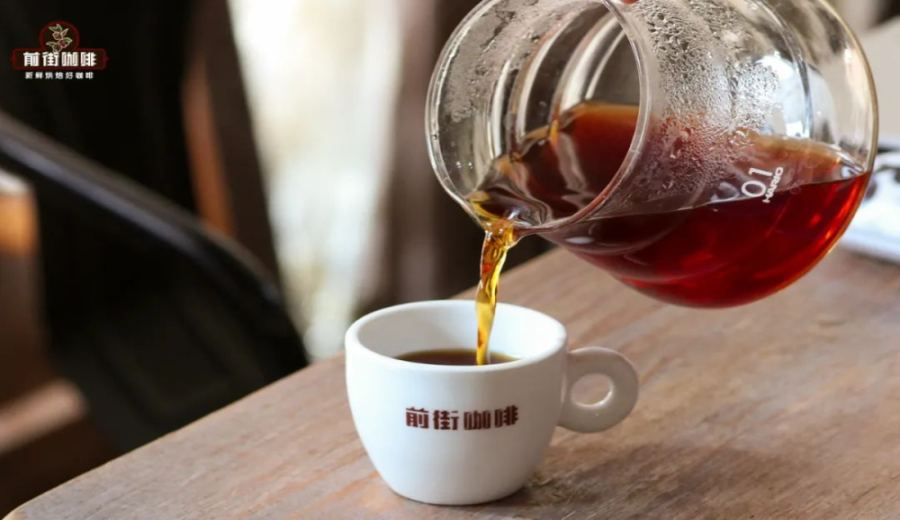
Introduction:As the weather cools down, pour-over coffee tends to cool quickly, prompting many to consider using insulated bottles to extend drinking time. This article takes washed Yirgacheffe Guji Dingding as an example, conducting a real-world test on how the temperature and flavor of freshly brewed coffee change when poured into a 316 stainless steel insulated bottle. We tracked the temperature shifts and flavor profile over six hours—from hot to warm, then to slightly cool—to help you understand the best time to enjoy it and offer practical suggestions.
As temperatures drop, preserving the flavor of pour-over coffee has become a key concern for many coffee enthusiasts. To determine whether insulated bottles can effectively maintain the aroma and taste of coffee, we selected a commonly available washed Yirgacheffe Guji Dingding as our test bean and conducted a six-hour experiment. This coffee bean exhibits prominent jasmine and citrus fruit aromas at high temperatures, while sweetness and tea-like qualities gradually emerge as it cools.
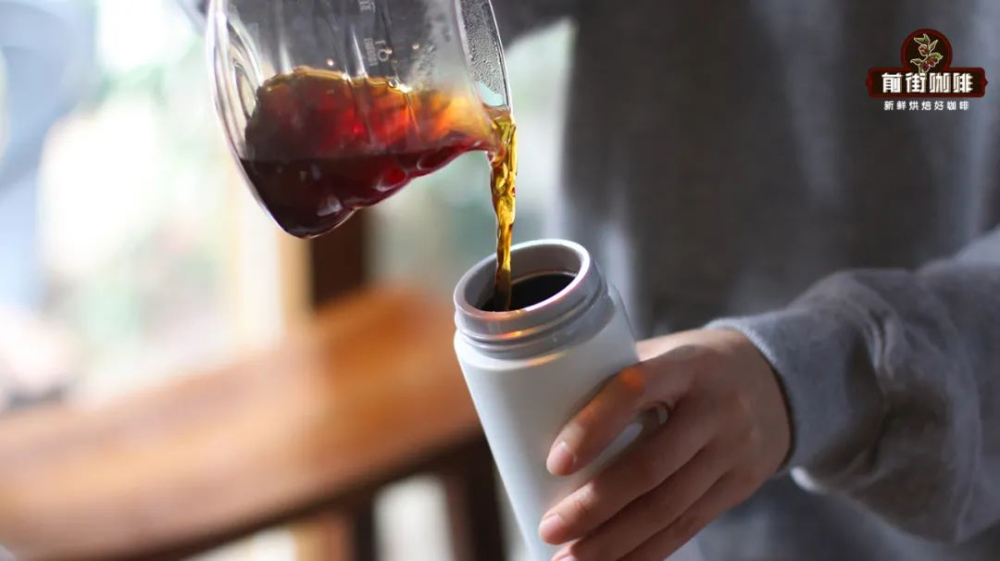
The testing method is simple: immediately after brewing, with the coffee at around 90°C, we poured it directly into a commonly used 316 stainless steel insulated bottle and tightly sealed the lid. This particular insulated bottle had previously been tested to maintain liquid temperature for over 12 hours, demonstrating excellent sealing and insulation properties. We then measured the temperature and recorded detailed flavor notes every hour.
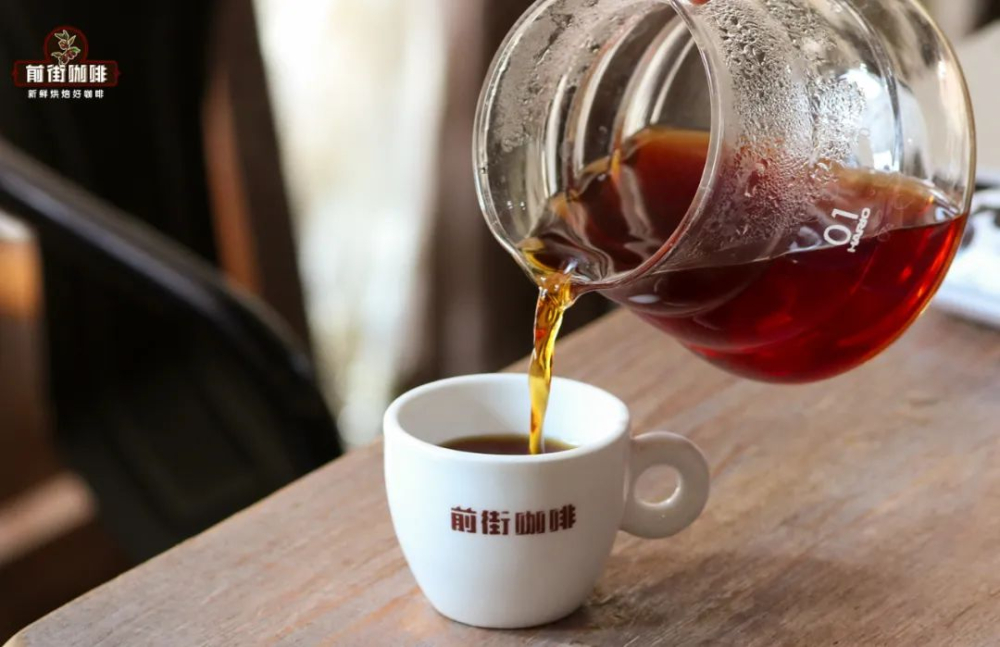
Right after pouring into the insulated bottle, the coffee temperature was 68°C, within the ideal range for hot beverages. After one hour, the temperature dropped only slightly to 65.8°C. At this point, when poured out for drinking, the clear floral and citrus fruit aromas were still distinctly perceptible, and the flavor profile was nearly identical to that of freshly brewed coffee. The finish carried notes of honey and light green tea, resulting in an overall balanced and vibrant cup.
In the second hour, the temperature fell to 60°C, which remains an ideal drinking temperature for most people. Upon tasting again, the flavor profile showed almost no significant changes compared to when it was freshly brewed, still retaining clear citrus notes and soft floral aromas—making it suitable for enjoying at the office or during commutes.
By the third hour, the coffee temperature dropped further to 54°C. Though no longer piping hot, it remained warm. At this stage, the intensity of floral and fruity sweetness notes slightly decreased, but the overall flavor structure remained clear, making it ideal for savoring slowly and appreciating the nuanced layers of the coffee.
In the fourth hour, the temperature decreased to 50°C, marking the transition from "hot beverage" to "warm beverage." The most noticeable change was the significant fading of floral notes, replaced by more pronounced citrus and berry-like sweetness. Meanwhile, acidity and tea-like characteristics became more apparent, resulting in a profile that leaned more toward a refreshing and mellow experience.
Finally, in the fifth hour, the coffee temperature dropped to just 46°C, nearing room temperature. Although some slight steam was still perceptible, the aroma had become very faint and was almost undetectable. The coffee’s temperature was now lower than mouth temperature, giving an overall cooler mouthfeel. While the honey-like sweetness and green tea aftertaste were still present, the citrus acidity became more pronounced, and the high-temperature aromas such as floral and fruity notes had noticeably faded.
Based on the comprehensive test results, the following conclusions can be drawn: if using a high-quality 316 stainless steel insulated bottle, brewed pour-over coffee can maintain its original flavor reasonably well for up to 2–3 hours. This makes it particularly suitable for scenarios such as taking coffee on the go or for office workers brewing it in the morning to bring to work. However, after 4 hours, as the temperature continues to decline, not only do the flavors change markedly, but the risk of bacterial growth also increases due to prolonged stagnation—especially if the bottle is opened multiple times or the environment is unclean—so consumption should be avoided under these conditions.
Additionally, many people consider reheating their coffee once it has gone cold. However, based on past experiments, while reheating can improve temperature and reduce acidity, it cannot restore the fresh, vibrant aroma the coffee had when it was first brewed. Therefore, it is recommended to enjoy coffee during its optimal flavor window to fully experience the complete charm of pour-over coffee.
The above content is compiled by CoffeeHunters, a coffee news website.


