







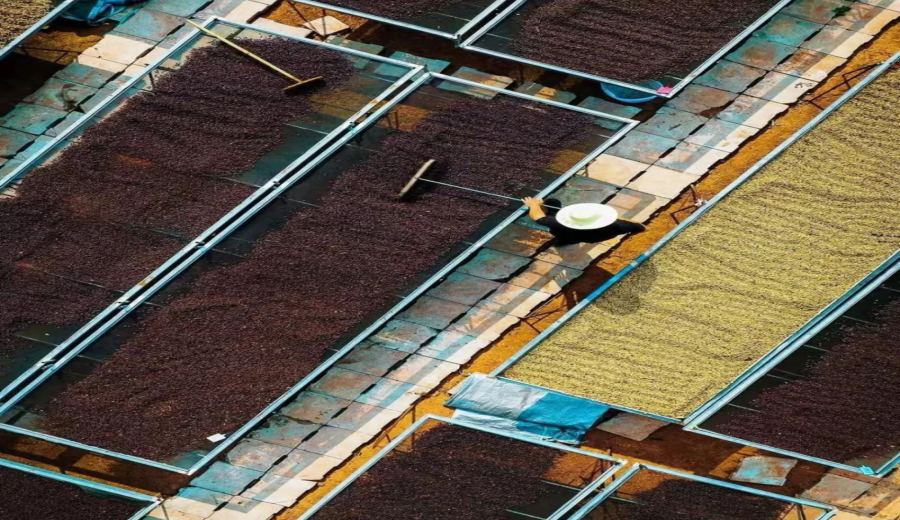
Introduction:Want to dive deep into the entire process of Yunnan coffee—from planting to harvest? In recent years, Yunnan’s coffee-growing regions have launched volunteer programs and coffee tree adoption initiatives, paired with six curated travel routes, allowing participants to experience the daily lives of coffee farmers firsthand. This article details the formats of these activities, the actual benefits, and key considerations, taking you on an exploration of this key hub of fine specialty coffee in China.
As the core region for specialty coffee in China, Yunnan has in recent years integrated resources from seven major coffee belts—including Baoshan, Pu’er, and Dali—to develop six in-depth travel routes. These focus on the full chain of coffee cultivation, harvesting, and roasting. The routes not only connect the main producing areas but also allow travelers to closely observe how coffee trees grow at different altitudes—for example, at lower altitudes (approximately 800–1200 meters), coffee is typically harvested starting in September, whereas higher-altitude areas (above 1400 meters) delay harvesting until late November to January of the following year.
In line with seasonal demand, many coffee farms offer “volunteer programs” to attract young people curious about the coffee industry. While these programs do not provide a fixed salary, they offer basic living stipends and accommodation, often in pastoral-style dormitories with views of the sea of clouds. Volunteers assist with daily management tasks, including weeding, fertilizing (with care taken not to damage coffee roots), and replanting seedlings before the harvest season. Notably,in lower-altitude areas where temperatures are warmer, weeds grow rapidly, requiring about 2–3 hours of maintenance per day,whereas in higher-altitude regions, attention must be paid to the impact of frost on young plants.
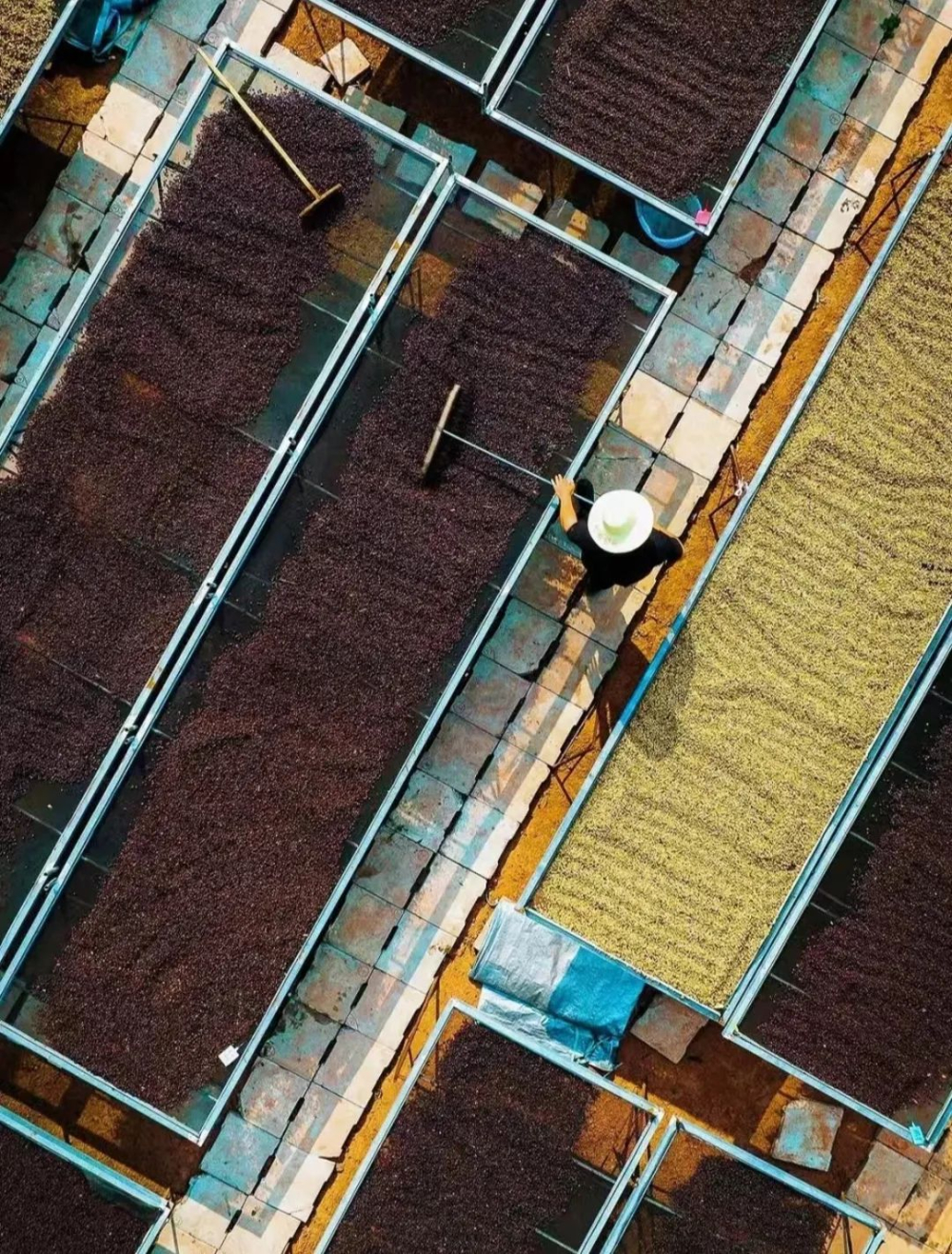
Beyond hands-on work, some farms offer simple educational sessions—such as guidance on how to determine the ripeness of coffee cherries (the ideal harvest color is deep red to purplish-red)—or introductions to primary processing methods such as washed and natural. These experiences help participants understand why Yunnan coffee often exhibits pronounced berry notes—closely tied to its unique altitude gradient and microclimates.
“Coffee tree adoption” is another popular option. Applicants are required to donate to a designated charity project and receive a personalized plaque for their adopted tree. Some farms promise that the coffee beans produced by the adopted tree during the harvest season (typically around 0.5–1 kg of green beans per tree) will be directly sent to the adopter. This model not only helps stabilize labor demands for the farms but also allows consumers to directly connect with origin flavors—for example, coffee from the Pu’er region often features a rich chocolatey aftertaste due to the influence of volcanic soil.
Participants generally report that this “immersive” experience effectively breaks stereotypes about Yunnan coffee. Many consumers previously assumed that local products were only suitable as commercial-grade raw materials, but upon direct engagement, they discover that coffee grown in high-altitude micro-regions (such as those above 1800 meters) can achieve acidity brightness and aromatic complexity nearing international specialty standards. By personally engaging in processes from pruning to roasting, one gains a deeper appreciation for the hardships coffee farmers endure on steep terrains.
Whether choosing a short-term volunteer stint or long-term tree adoption, it’s recommended to confirm the specific rules of the farm in advance—for instance, whether volunteers need to bring their own sun protection gear (as UV radiation is intense at high altitudes), or the division of responsibilities for maintaining adopted trees. These details will affect the overall quality of the experience and help participants more deeply integrate into the ecosystem of Yunnan’s coffee industry.
The above content is compiled by CoffeeHunters, a coffee news website.


