








Introduction:Brewing the perfect shot of espresso at home may seem simple, but it is full of subtle challenges. From bean selection, grinding, and tamping to extraction, every step can influence the final flavor. This article will delve into common mistakes—such as the risks of using pre-ground coffee, channeling caused by improper tamping, and the burnt bitterness resulting from delayed extraction. It also recommends medium-dark roasted beans suitable for daily home use to help you improve your extraction quality and enjoy a professional-level coffee experience.
With the advancement in performance and size of home espresso machines, more and more coffee enthusiasts are choosing to brew espresso at home. However, any slight mishap during bean selection, grinding, dosing, or extraction can prevent you from achieving that ideal cup of rich coffee. This article analyzes the mistakes most people tend to make, including the drawbacks of buying pre-ground espresso, channeling due to improper tamping techniques, and the burnt taste caused by delayed extraction after attaching the portafilter. It also provides a list of recommended medium-dark roasted beans, so that even busy urbanites can craft their own daily blend.
 Today’s home espresso machines already offer decent performance and come in more compact designs, enticing many to try their hand at making espresso. However, there are still plenty of pitfalls when brewing at home, which we will break down one by one below.
1. Three Major Concerns with Using Pre-Ground Coffee
Some beginners think that as long as they have a high-performance espresso machine, they can easily brew a delicious shot. In reality, no matter how good the machine is, using stale or non-professionally ground coffee makes it very difficult to achieve the desired flavor.
Many people, after purchasing an espresso machine, do not buy a grinder at the same time and instead opt to buy pre-packaged espresso coffee from stores. This might be due to saving money or trusting that the store grinds the beans better, but it overlooks the fact that once coffee is ground, its aroma and volatile compounds rapidly dissipate—especially for finely ground espresso beans, which lose flavor even faster. Most commercially available espresso coffee comes in packages as large as one pound or even one kilogram, which is difficult for the average household to finish in a short period, leading to flavor degradation and waste.
In addition, freshly roasted coffee beans release richer oils, which are one of the key components that contribute to crema. Crema is not only a visual delight but also an important indicator of espresso quality. Pre-ground coffee loses carbon dioxide and volatile oils quickly after grinding, making it hard to form a thick, aromatic crema during extraction.
There’s another often overlooked point: espresso demands an extremely precise grind size. Even in professional coffee shops, the grind settings are fine-tuned daily to adapt to environmental changes. With pre-ground coffee, not only can compatibility with your own machine not be guaranteed, but the consistency of flavor is also hard to control.
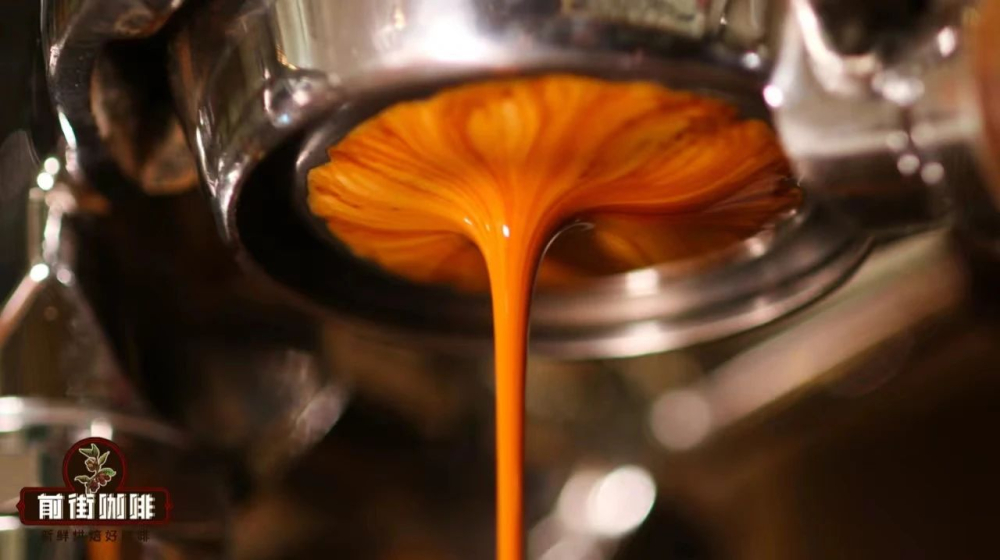
Some readers may ask: I already have a grinder for pour over—can I use it to grind espresso beans? The answer is, most multi-purpose grinders are not designed to handle both the extremely fine grind required for espresso and the medium grind suitable for pour over. Even if you adjust to the finest setting, the resulting grind is still unlikely to match that of a professional espresso grinder. Therefore, if you truly want to elevate the quality of your home espresso, investing in a dedicated espresso grinder is definitely worthwhile.
2. Repeatedly Tamping the Coffee Puck Can Cause Channeling
Many beginners, in their pursuit of a perfectly level surface when tamping, repeatedly adjust the pressure from side to side—“this side is a bit higher, so I’ll press it down a bit more; that side is lower, so I’ll press it again.” As a result, although the surface may look flat, the internal density of the puck becomes uneven. This uneven structure is highly prone to creating “holes” or channels under high-pressure extraction, causing water to flow through unexpected paths and affecting extraction uniformity and overall flavor.
In practice, you only need to ensure the puck is roughly level—it doesn’t have to be perfect down to the millimeter. If the first tamp isn’t perfectly even, it’s better to check your tamping posture and pressure application, then readjust rather than repeatedly tamp. Also, if you find the dose is insufficient, avoid simply adding more coffee on top of the already tamped puck and tamping again, as this also disrupts the puck’s density. The correct approach is to loosen the existing puck, add the appropriate amount of coffee, and then evenly tamp it all over again.
3. Delayed Extraction After Attaching the Portafilter Can Result in Bitterness
Some users, after tamping, attach the portafilter to the machine’s group head ahead of time for convenience in subsequent steps. They then slowly prepare cups, scales, and other tools, and only start extraction once everything is ready. However, by this time, the high temperature of the group head has been continuously baking the puck, causing excessive breakdown of the coffee compounds and often resulting in noticeably bitter-tasting espresso.
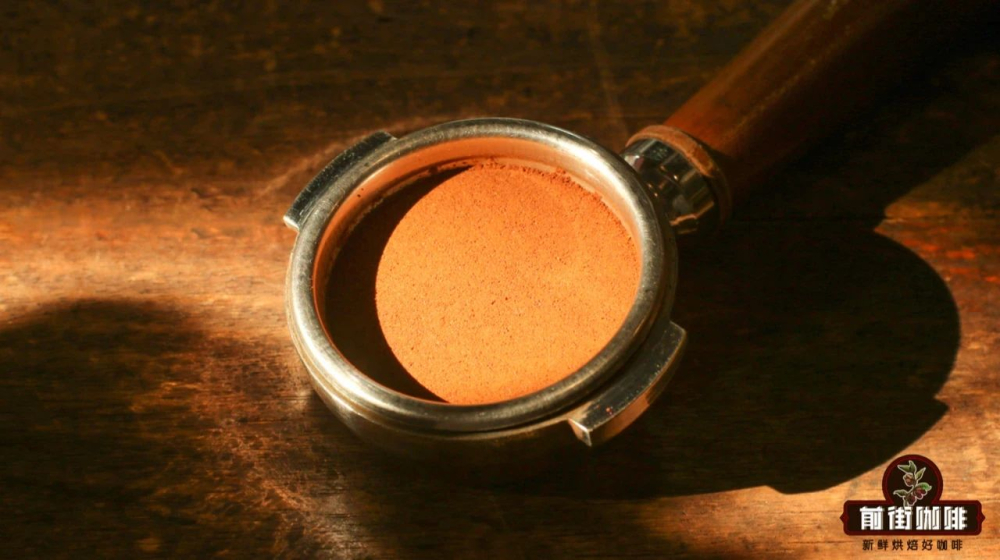
To avoid this issue, it’s recommended to securely attach the portafilter to the group head immediately after tamping, and then start the extraction right away. In a high-temperature environment, delaying extraction significantly increases the risk of over-extraction, negatively impacting the balance and smoothness of the overall flavor.
In summary, to successfully brew a balanced, crema-rich espresso shot at home, the key lies in paying attention to every detail—from selecting freshly roasted coffee beans, using a professional grinder, dialing in the right grind size, to consistently tamping well and extracting promptly. Every step matters. We hope this guide helps you avoid common pitfalls, gradually improve your home brewing skills, and enjoy every cup of espresso crafted in your own kitchen.
The above content is compiled by CoffeeHunters, a coffee news website.


