







Introduction:This article uses the latest plotline from the classic comedy "Mr. Bean" to explore the phenomenon in the specialty coffee industry where excessive emphasis on ritual often overlooks customer experience. It analyzes how to balance professional technique with approachable service, and through case examples from the show, reveals the key elements of coffee value that consumers truly care about, offering practical insights for businesses to improve their service.
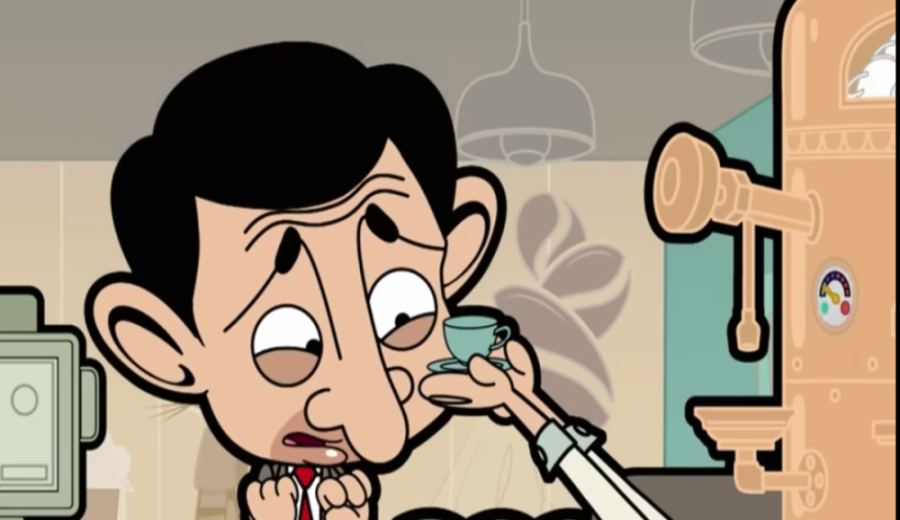
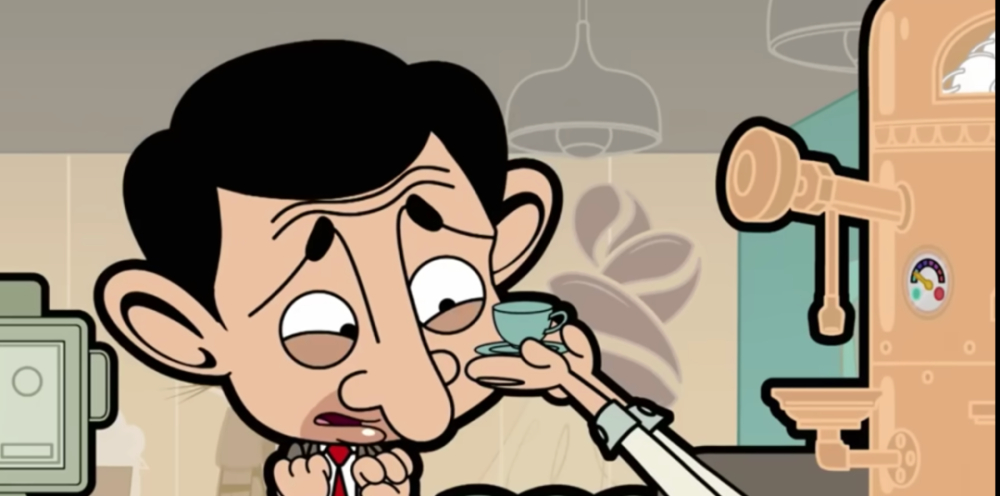
In the first episode of the third season of "Mr. Bean," the protagonist walks into a specialty coffee shop, orders an expensive yet tiny shot of espresso. When he asks to add some milk foam to turn it into a macchiato, he eventually gets his adjustment — but the overall experience still leaves him feeling it wasn’t worth it — the coffee is not only small in portion, but also hard to enjoy, yet costs 5 euros. This scenario resonates with many viewers because it starkly highlights the common service gap in the specialty coffee sector.
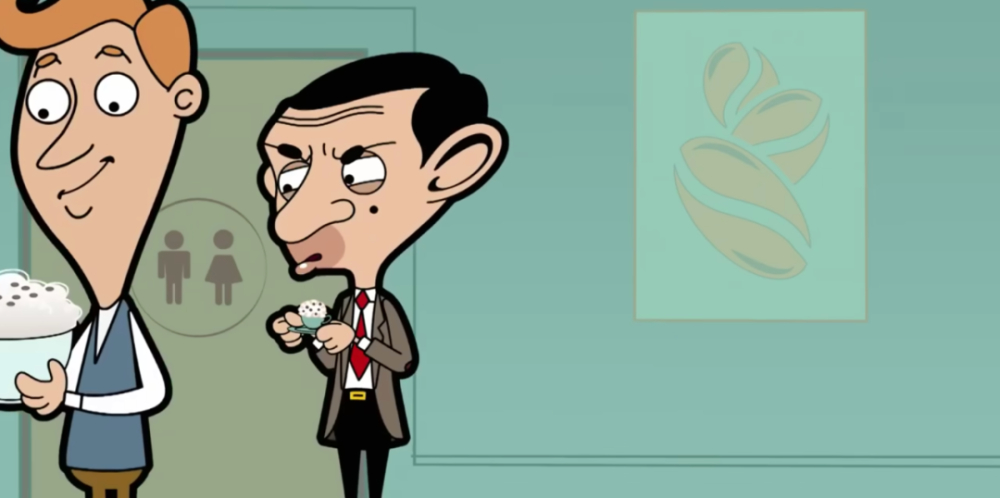
Provoked by the high price and low satisfaction, Mr. Bean decides to set up a makeshift stall outside the coffee shop. Using simple tools and instant coffee powder, along with a bit of creativity, he makes a drink that looks like a cappuccino. Although the process is questioned by bystanders, the first customer who tries this “unconventional” coffee is amazed, and word-of-mouth quickly draws a crowd to his little stand. Though exaggerated, this scene vividly reflects that consumers’ definition of “good coffee” is often not just about technical perfection, but includes practical factors like fair pricing and friendly service.
As the specialty coffee market currently flourishes, many shops are equipped with high-end machinery, and baristas focus on showcasing latte art skills and the ritualistic aspects of the brewing process. However, such displays of professionalism, when not paired with a customer-oriented mindset, can easily create a barrier. In fact, the meaning of “specialty” lies not only in the quality of ingredients and precision of production, but should also encompass an understanding of and response to consumer needs.
Many baristas hold professional certifications and possess excellent skills, but they often overlook one crucial point: most customers walking through the door are not coffee experts. They may be there to perk up, socialize, or simply try something new. Therefore, in the service process, listening to customer preferences (such as sweetness, strength, or whether they’re sensitive to bitterness) and then recommending suitable products is far more effective than simply promoting the shop’s “signature specials.” For instance, explaining to first-time pour over customers how different grind sizes and water temperatures affect flavor is more meaningful than immediately pushing auction-grade beans.
In the show, Mr. Bean’s use of instant coffee and a simple milk frothing tool certainly doesn’t meet traditional specialty coffee standards, but his combination of “affordable price, quick service, and friendly attitude” hits exactly what the waiting customers care about most. This reminds businesses: professional skill is the foundation, but the key to customer retention often lies in the finer details of service — such as clear pricing, reasonable portion sizing, or even a thoughtful question like “Would you like sugar in your coffee?”
Of course, emphasizing approachable service doesn’t mean sacrificing professionalism. Understanding basic brewing principles (such as the impact of coffee-to-water ratio and brew time on flavor), and mastering coffee bean characteristics (like the flavor differences between Arabica and Robusta), remain essential skills for baristas. The ideal scenario is translating professional knowledge into language customers can understand — for example, using “fruit-forward with a touch of acidity” instead of “bright acidity,” or explaining “dark roasts suit lattes well, while light roasts better highlight the layers in pour over.”
This comedy ends with a hilarious explosion scene, but the reflection it leaves behind is very real: for the specialty coffee industry to thrive in the long run, it cannot rely solely on the glamour of equipment and technique. It must return to the essence of being “customer-centric.” Whether it’s a high-end café or a street-corner kiosk, making customers feel satisfied and that their money is well spent is the common goal all businesses should pursue.
The above content is compiled by CoffeeHunters, a coffee news website.


