







Introduction:Even if you don’t have professional coffee equipment at home, the French press remains a reliable tool for brewing a great cup of coffee. This article delves into the key techniques for using a French press, including how to adjust the coffee-to-water ratio using the markings on the carafe, estimating coffee grounds with coins, controlling water temperature with slightly cooled boiled water, and detailing the critical steps of steeping and pressing. It also analyzes the unique flavor characteristics produced by the French press, helping you consistently brew delicious coffee even under simple conditions.
Without professional tools like an electronic scale or thermometer, the French press can still produce a cup of coffee with respectable flavor. This piece shares practical methods for brewing coffee with a French press under limited conditions, including using the built-in scale to manage the coffee-to-water ratio, estimating coffee powder weight with common coins, controlling extraction water temperature with slightly cooled boiled water, and details on steeping time and operational nuances before pressing. Additionally, it explores the distinct flavor profile of French press coffee to help you continue brewing quality cups even in a basic setup.
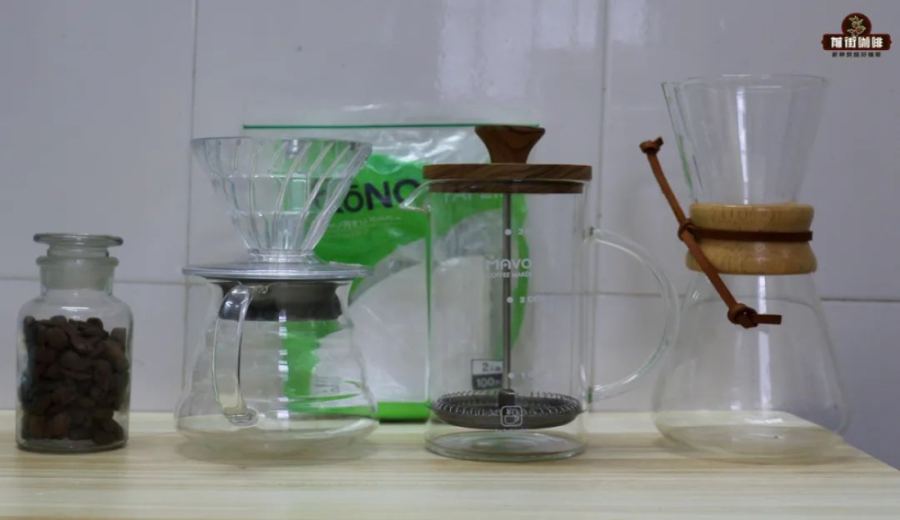
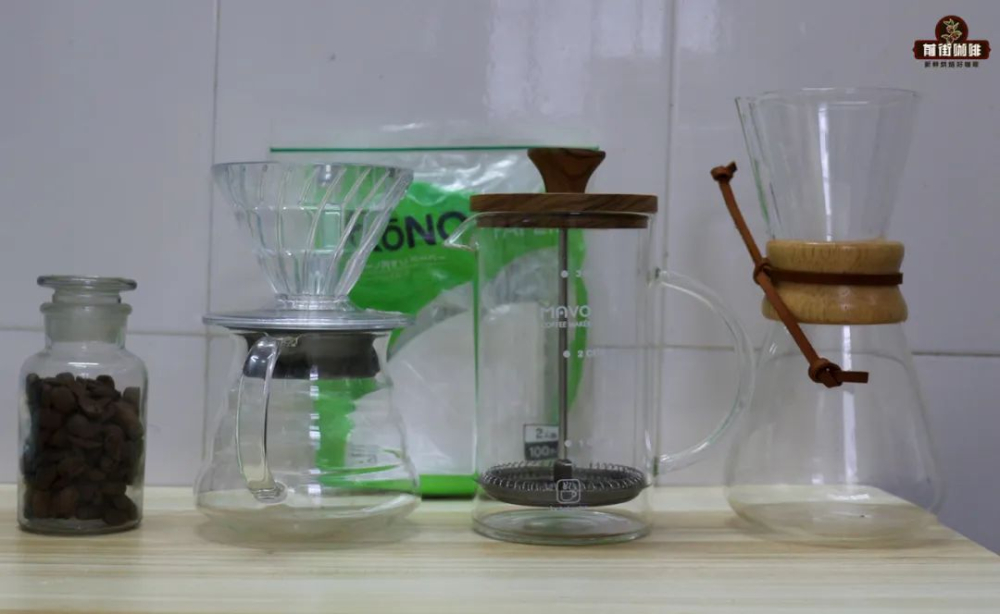
It has been said: “A Chemex without a filter paper, a V60 with a filter but missing a pour-over kettle, electronic scale, and thermometer… In the end, what seems usable is actually the French press.”
In settings such as ordinary households or during overseas travel where equipment is limited, professional coffee tools are often unavailable. In professional shop environments, a certain coffee team rarely discussed how to brew coffee under minimalist conditions, but now presents an opportunity to share several practical and straightforward methods that help coffee enthusiasts achieve stable extractions using a French press.
Among the limited tools at hand, if no specialty filter paper is available, a Chemex or V60 may struggle to perform well; even with filter paper, lacking a stable pouring tool and fine grind makes it difficult to replicate café-level coffee flavors. The French press, however, not only operates intuitively but, when a few basic principles are mastered, can also yield coffee with clear layers and a smooth mouthfeel.
Making the Most of French Press Markings and Alternative Tools to Adjust Proportions
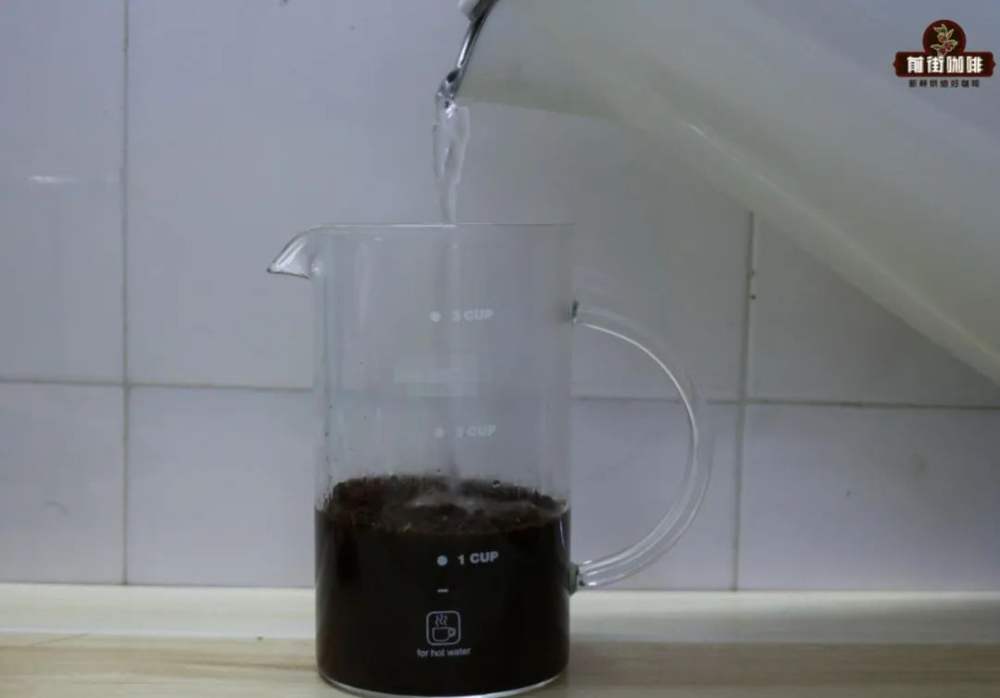
French presses typically feature volume markings on the carafe, such as the common “1CUP, 2CUP, 3CUP.” For a standard French press, 1CUP is approximately 200ml, 2CUP equals 400ml, and so on. By pouring water up to these markings, you can roughly control the total water volume, thereby solving half of the coffee-to-water ratio equation.
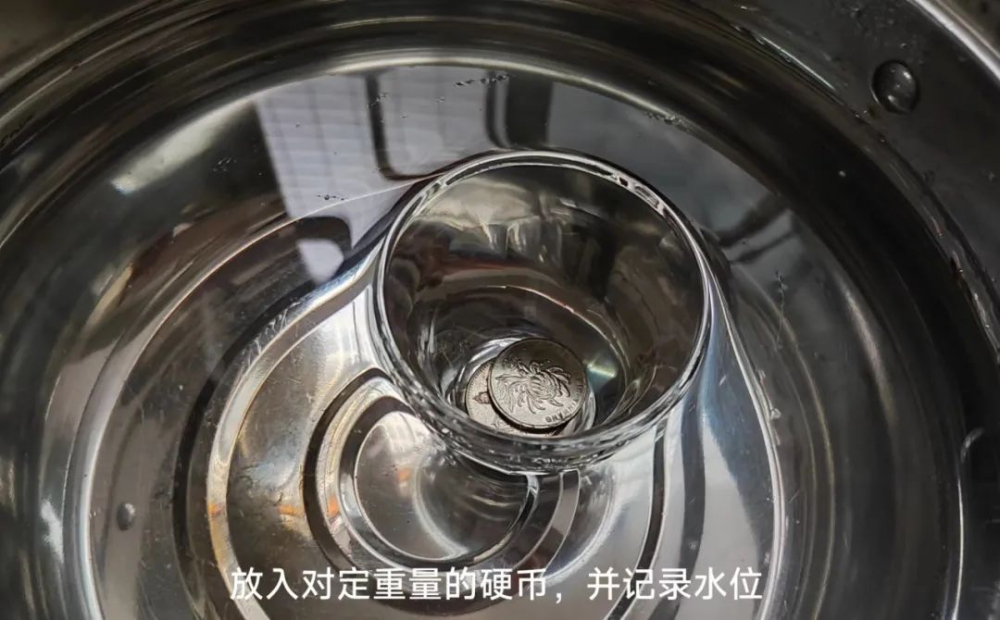
The other half is the weight of the coffee grounds. Without an electronic scale, you can use the measuring spoon that often comes with a V60 filter—usually one flat scoop is about 12 grams. But if you don’t even have a scoop, there’s another interesting and practical alternative: using coins to estimate the amount of coffee via a “displacement method.” Inspired by the elementary school text “Cao Chong Weighs an Elephant,” we can reverse the process: by using coins of known weight to displace a certain volume of water, then adding coffee grounds to displace the same water level, you can approximate the corresponding coffee weight.
For example, the commonly used one-yuan coin in mainland China weighs about 6 grams, the five-jiao coin about 3.8 grams, and the one-jiao coin about 3.2 grams. By combining these coins, you can simulate common coffee dosages such as 12g, 15.2g, 18g, 20g, and 22.2g, thus solving the issue of controlling coffee quantity.
Water Temperature Control: Let Boiled Water Cool Slightly for Broader Compatibility
In situations where precise water temperature measurement isn’t possible, it’s recommended to let boiled water sit for about one minute before pouring it into the French press. The resulting temperature usually falls around 93–94°C, which is suitable for most coffee beans. For greater stability, a thermometer is recommended to maintain this range.
Past experiments have shown that using 100°C water in a cupping-style immersion only starts to exhibit noticeable off-flavors after the 20-minute mark; 94°C water only shows slight off-notes at the 30-minute mark; even relatively low-temperature 80°C water requires up to 10 minutes before
The recommended coffee-to-water ratio is 1:18. If using 2CUP (i.e., 400ml) of water, the amount of coffee grounds should be approximately 22.2 grams. If your grinder is not a high-end model, it is recommended to set the grind size slightly coarser than that for pour over to reduce the risk of over-extraction, especially during longer steeping times.
Practical steps: Complete extraction in just four simple steps
Once the preparation is done, the actual operation is very straightforward. First, pour the ground coffee into the French press, then add hot water up to the marked line. It is recommended to let it steep for about 4 minutes. During this time, you can gently stir the floating coffee grounds on the surface with a spoon—similar to the "breaking the crust" step in cupping—which helps achieve even extraction.
At the 5-minute mark, slowly press down the plunger of the French press. Be careful not to press it all the way to the bottom; it is recommended to stop around the middle to lower part of the coffee liquid. This helps avoid excessive pressure that could lead to over-extraction. Finally, pour out the filtered coffee and enjoy.
Even when using only a French press and a hand grinder, in a simple setup, mastering the above techniques will allow you to consistently brew a cup of coffee with good layering and a rich body. Coffee brewed with a French press usually has a fuller flavor, a smooth mouthfeel, and can fully highlight the inherent sweetness and robust base of the coffee beans, making it ideal for those who enjoy a well-rounded flavor profile.
Everyone’s brewing environment is different, but as long as you’re willing to think critically and experiment hands-on, the French press will become an invaluable and practical tool in your coffee journey.
The above content is compiled by CoffeeHunters, a coffee news website.


