








Introduction:As pour over coffee cools over time, its flavor profile also changes. Many coffee enthusiasts wonder: if you reheat already-cooled coffee, is it still drinkable? This article presents an actual test of two single-origin specialty coffee beans from different regions — Gesha Village’s Gold Label Gesha and Guatemala’s Huehuetenango — observing their flavor performance at various temperatures, and exploring whether reheating can genuinely improve taste, especially in addressing issues like excessive acidity or unpleasant aftertastes.
A well-brewed cup of pour over coffee often showcases its richest layers of flavor right after brewing. However, as time passes and the temperature gradually drops, the coffee's aroma and flavor balance also shift. The sweetness becomes less pronounced, while acidity and bitterness become more prominent, even significantly diminishing the overall drinking experience.
Many people may have had this question: will reheating cooled coffee restore its original flavor? Or at least make it taste better than when it’s completely cold? To answer this, we conducted a practical experiment using two representative specialty coffee beans, observing how they perform when served hot, after cooling, and after being reheated.
The first step of the experiment was to brew the coffee using a pour over method, then allow it to cool naturally to room temperature, and finally reheat it to a suitable drinking temperature range using a heating device. For this experiment, we selected two coffee beans: Gesha Village’s Gold Label Gesha and Guatemala’s Huehuetenango. The former is known for its bright fruity acidity and floral-fruity aromas, while the latter, though exhibiting pleasant nutty and berry notes when hot, tends to produce unpleasant off-flavors upon cooling.

From a scientific perspective, as coffee cools, the taste buds' perception of sweetness gradually weakens, while acidity and bitterness become more noticeable — especially in light roasts where bitter compounds are inherently fewer, making acidity more dominant as the coffee cools. In addition, as the temperature drops, volatile aromatic compounds in the coffee continue to dissipate, weakening the overall aroma and further affecting the integrity of the flavor.
Therefore, although reheating cannot fully restore coffee to its freshly brewed state, if the goal is simply to improve issues such as excessive acidity or aroma loss due to cooling, heating might be a viable option. However, the actual effect still depends on the inherent characteristics of the beans.
In the first experiment, we used Gesha Village’s Gold Label Gesha. This bean performs excellently when hot, offering notes of honey, citrus, and multiple floral scents, and even when cooled, it rarely develops negative flavors. The initial brewing temperature was around 70°C, at which the flavor was dominated by vibrant citrus acidity and rich fruity-floral aromas. After resting for about 30 minutes, the temperature dropped to approximately 37°C. At this point, the coffee had a warm-cool mouthfeel, with honey and maple-like sweetness emerging, while the berry acidity and sweetness remained distinct.
After about 1 hour and 20 minutes, the coffee temperature dropped further to around 27°C, close to room temperature. The coffee liquid remained clear, with acidity still noticeable, presenting a flavor reminiscent of oolong tea. However, no unpleasant aftertaste appeared, making it a suitable control group. We then used a siphon pot to reheat this portion of coffee to 60°C, with the expected serving temperature around 42°C upon pouring — within the ideal drinking range for hot coffee.
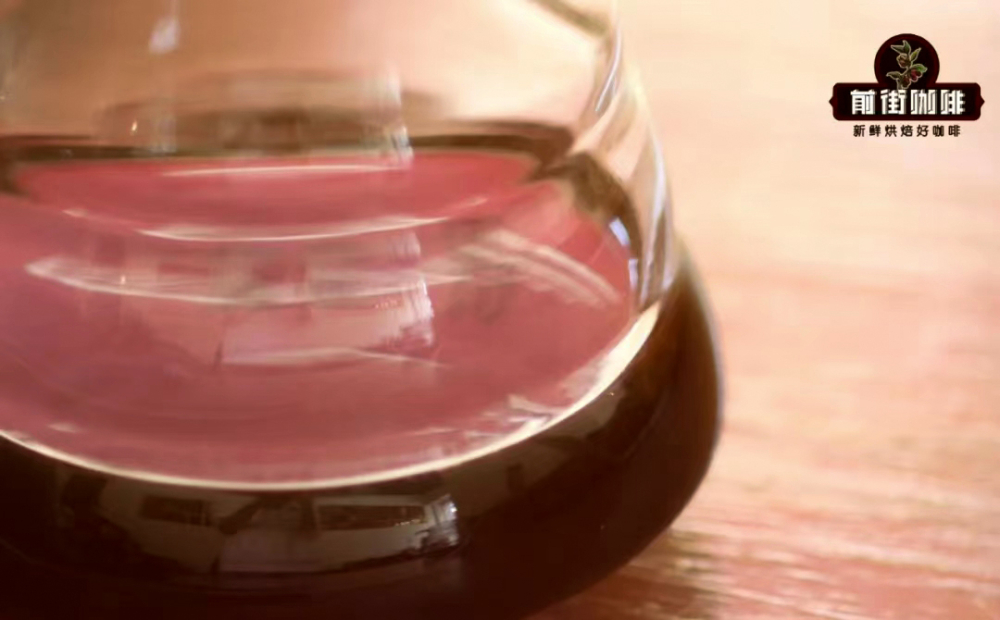
Although the reheated coffee wasn’t as aromatic as when freshly brewed, surprisingly it emitted a clear honey aroma. Upon tasting, the acidity was noticeably reduced, revealing a balanced berry-like sweet and sour profile, with no unpleasant off-flavors present. The overall drinking experience was better than that of coffee left to cool completely.
However, this experiment only used high-quality and stable beans. To test whether heating is effective for more common or easily flawed coffees, we next used Guatemala’s Huehuetenango as a comparison. This bean has good lemon, berry, and nutty tones when hot, but if left to cool for too long, it can develop unpleasant flavors such as lemon peel astringency, smokiness, and even an almond-like bitterness.
After about 1 hour and 30 minutes of cooling, the coffee had completely reached room temperature. At this point, the liquid appeared slightly cloudy, and tasting confirmed a noticeable lemon peel astringency and unpleasant smoky flavor. We then reheated this cup to 60°C and tasted it again. The results showed slight improvement in astringency and smokiness, but the original almond bitterness persisted — and even became more pronounced with heating. This type of bitterness mainly comes from chlorogenic acid lactones, which are not easily soluble in water and difficult to eliminate even with increased temperature.
In addition, the cloudiness that appears in coffee as it cools may be caused by certain substances precipitating out due to the temperature drop or an excess release of chlorogenic acids. If it’s the former, heating might redissolve those substances; but if the bitterness stems from chlorogenic acid lactones, heating won’t help.
Combining the results of both experiments leads to the conclusion: if your only goal is to alleviate the excessive acidity caused by cooling, reheating can indeed help. But if you want to restore the coffee to its optimal flavor or address unpleasant tastes arising from the bean’s characteristics, you’ll still need to rely on the intrinsic quality and processing methods of the coffee itself. For coffee lovers, understanding these details can help you enjoy each cup of pour over coffee even more.
The above content is compiled by CoffeeHunters, a coffee news website.


