







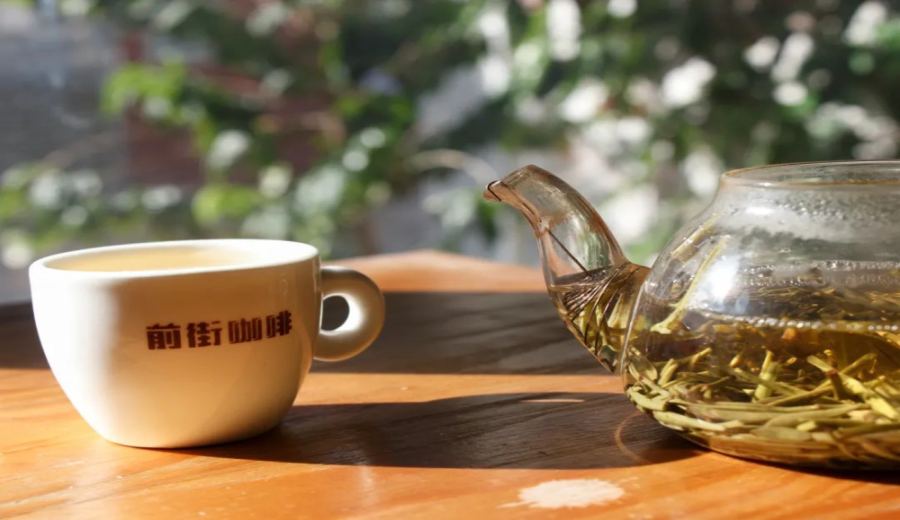
Introduction:Have you ever had a pour over coffee that tasted more like tea? In fact, the "tea-like" quality in coffee is not accidental—it’s closely related to roast level, processing method, and regional flavor characteristics. This article delves into the origins of the tea-like sensation in coffee, explores how tannins and polyphenols influence taste, and explains how medium to light roasts can bring out a refreshing experience reminiscent of tea. We’ll also reference common beans like Yirgacheffe and Geisha to help you more accurately identify and describe the layers of tea-like aromas in coffee.
When tasting coffee, many people often come across descriptions mentioning "tea-like sensation" or "tea-like character," sometimes even directly naming specific teas like "Tieguanyin notes" or "black tea finish." This naturally raises the question: why does coffee sometimes taste like tea? Where does this tea-like quality actually come from?
The so-called "tea-like" quality primarily stems from polyphenols and tannins found in tea liquor. These substances not only affect the color and aroma of tea but also create a unique tactile sensation in the mouth. Tannins, in particular, though they contribute to the rich aroma of tea, may also introduce a subtle roughness—this is what we commonly refer to as the "tea-like" feeling.
So, why does coffee exhibit a similar tea-like quality? When we taste coffee, aroma and taste often intertwine, and we unconsciously associate these sensations with familiar flavors. For instance, through both ortho- and retronasal olfaction, we might recall previously consumed teas. Take, for example, the washed Yirgacheffe Green Label Geisha from Green Field Estate—its fresh, elegant floral notes and sweet, mellow finish easily evoke thoughts of Tieguanyin, even though the official flavor wheel doesn’t explicitly list "tea" as a category.
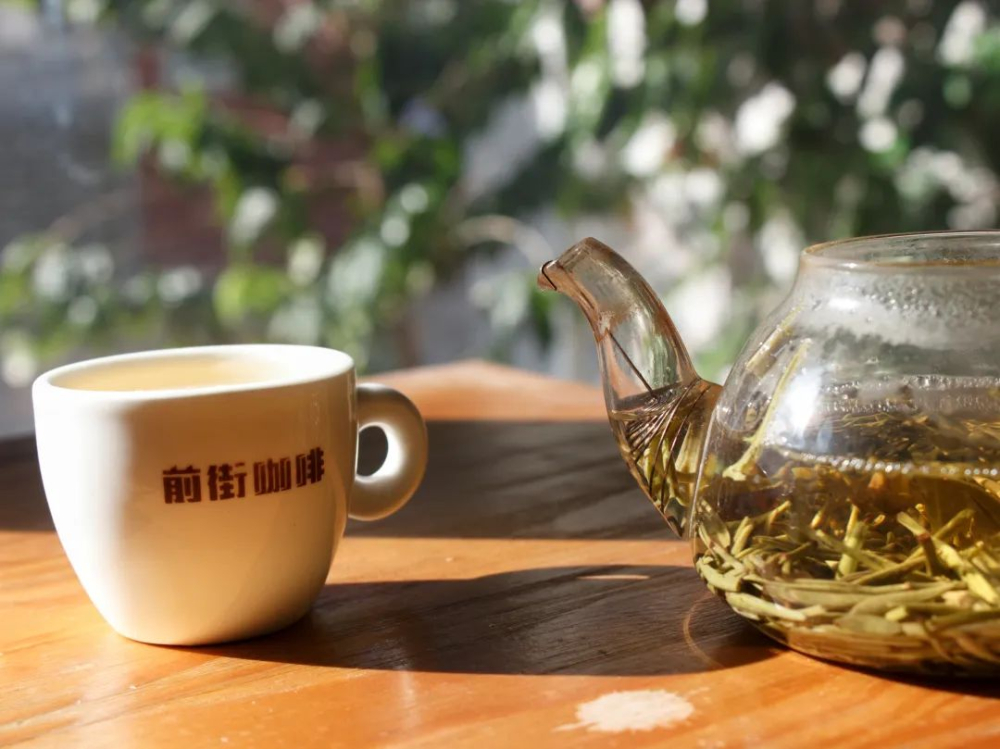
The "astringency" in coffee is also a key factor in shaping its tea-like character. Astringency isn’t a basic taste but rather a puckering sensation caused by phenolic compounds in food contacting the oral mucosa, leading to a dry, wrinkled feeling. An unripe persimmon is a classic example. However, when well-balanced, mild astringencies in coffee—such as the gentle puckering from citrus peel—can complement acidity and sweetness, creating a layered experience akin to citrus tea.
Many people find that medium to light roasted coffee doesn’t taste like their traditional idea of coffee at all—it feels more like a tea beverage. That’s because medium to light roasts preserve more acidity, reduce burnt bitterness, and release more refreshing aromas. These characteristics tend to evoke memories of certain types of tea.
So, what kinds of tea flavors can we actually taste in coffee? Different types of tea have unique aromatic profiles—for example, the freshness of green tea, the fruity-honey notes of black tea, or the floral-fruit and roasty blend of oolong tea. In coffee, these traits are also perceived through aroma, aftertaste, and overall mouthfeel.
For instance, the washed Yirgacheffe Guatiling often displays fresh, elegant floral notes and a transparently sweet profile, resembling unfermented green tea. It’s light and refreshing, making it an excellent entry-level bean for those looking to understand the tea-like aspects of coffee.
On the other hand, the sun-dried Yunnan Typica tends to develop a sweet, mellow, and full-bodied character due to the joint fermentation of pulp and green beans during sun drying, absorbing more fermented aromas. Its long-lasting, solid aftertaste is often likened to the texture of fully fermented black tea.
Additionally, many coffees with strong fruity-floral profiles can easily be associated with oolong tea. For example, the sun-dried Panamanian Elida Geisha features sweet notes of rose and peach paired with a delicate, lingering finish—presenting a lightly fermented oolong-like aroma that’s smooth and layered.

Beyond these classic tea types, complex flavor profiles in coffee may also trigger more intricate taste memories. For instance, when tasting the TOH Washed Group Champion bean from Gedeo Zone, Guji, Ethiopia, one not only detects rich citrus acidity and sweetness but also catches the interplay of pomelo peel freshness and oolong-like aftertaste—creating an overall impression akin to a smooth honey pomelo tea.
It’s worth noting that individual flavor perception is influenced by personal sensory experiences. As such, the same coffee might evoke green tea notes for one person and red or oolong tea for another. This is precisely why the "tea-like" quality in coffee is so diverse and rich, offering us greater room for imagination and description when tasting.
The above content is compiled by CoffeeHunters, a coffee news website.


