







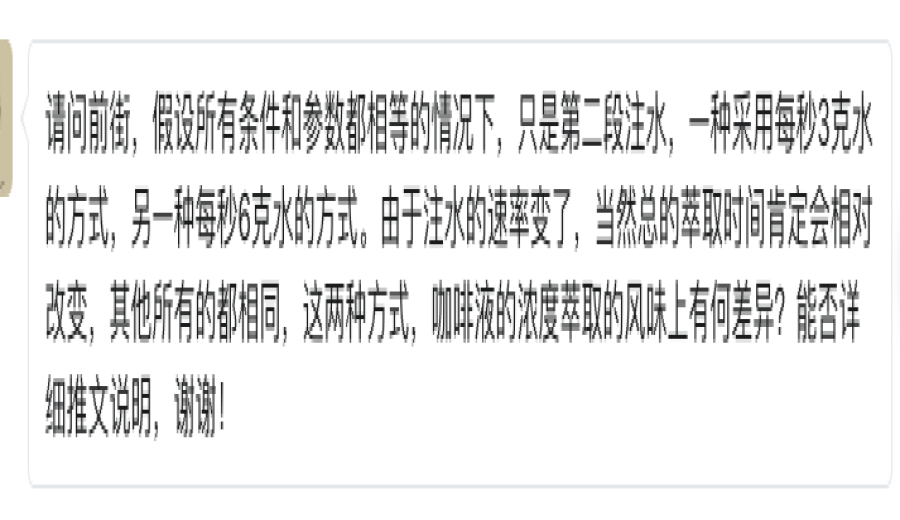
Introduction:Does the pouring speed in pour-over coffee really affect flavor? This article takes Ethiopian Huakui beans as an example. Under fixed conditions such as coffee dose, grind size, and water temperature, only the flow rate of the second pour was adjusted—pouring 120ml of hot water at 3ml/s and 6ml/s respectively. Data such as extraction time, concentration, and extraction yield were recorded, while differences in sweetness, acidity, and layering were also compared. Through measured data, let’s understand how different pouring speeds practically impact coffee flavor.
Does the pouring speed in pour-over coffee really influence the flavor direction of a cup? This experiment used Ethiopian Huakui coffee beans as the sample. With coffee dose, grind size, water temperature, and brew ratio all kept constant, only the flow rate of the second pour was adjusted—pouring 120ml of hot water at 3ml/s and 6ml/s respectively, with each speed brewed twice for comparison. The experiment meticulously recorded key data such as extraction time, coffee bed condition, concentration, and extraction yield, while also evaluating aspects like sweetness, acidity, and flavor complexity. The results showed that the slower pour did extract more flavor compounds, but neither method produced off-flavors. The main differences were seen in the prominence of berry sweetness and the vibrancy of acidity. Below, we’ll fully share the experimental process and data to help coffee enthusiasts better understand the practical effects of pouring speed.
 This experiment followed a reader’s suggestion to design a set of comparative brew protocols. The reader pointed out, “Only the second pour speed is adjusted—Protocol 1 at 3ml/s and Protocol 2 at 6ml/s,” noting that common pour-over pouring speeds typically range around 4 to 5ml/s.
This experiment continued with a commonly used three-stage pouring process, but only the flow rate of the second pour was adjusted. The bloom and third pour retained their original rhythm. The experiment used Ethiopian Huakui coffee beans, with the following specific parameters: 15g coffee dose, 80% extraction through a 20-mesh sieve, 1:16 brew ratio, 91°C water temperature, and brewing using a V60 filter cone.
Protocol 1 (slow pour) procedure: For the bloom stage, 30ml of water was poured at 4ml/s, followed by a 30-second rest; the second pour then used 120ml of water poured at 3ml/s, finishing at 1 minute and 10 seconds; after the water level dropped, the third pour of 90ml started at 1 minute and 30 seconds at approximately 4.5ml/s, completing at 1 minute and 50 seconds. The total dripping time for the entire extraction was 2 minutes and 33 seconds.
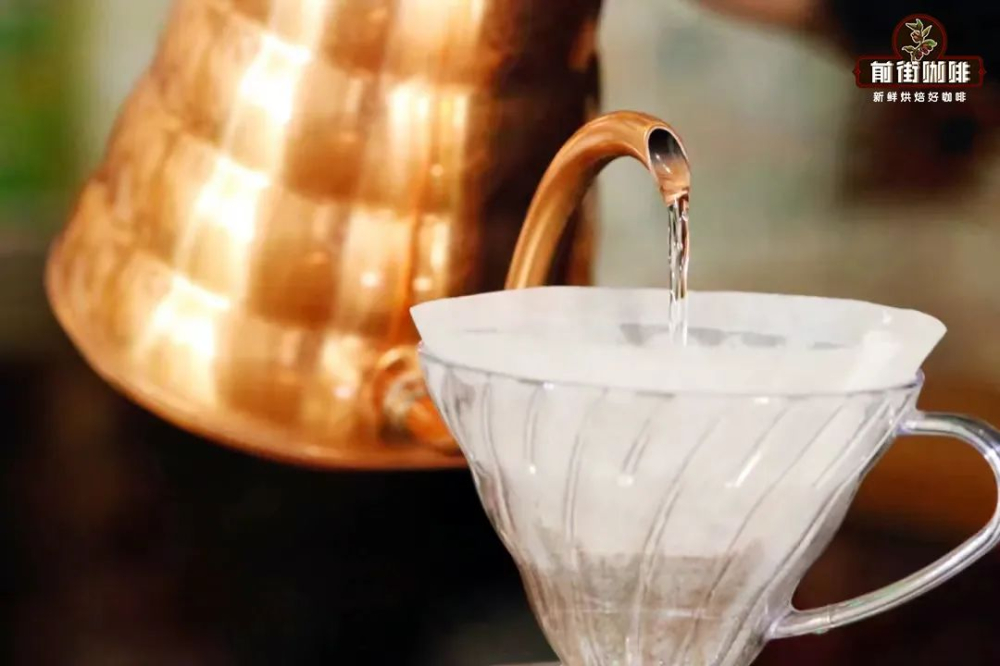
Protocol 2 (fast pour) procedure: The bloom also used 30ml of water poured at 4ml/s, followed by a 30-second rest; the second pour then used 120ml of water poured at 6ml/s, finishing at 50 seconds; after the water level dropped, the third pour of 90ml started at 1 minute and 08 seconds at approximately 4.5ml/s, completing at 1 minute and 28 seconds. The final total dripping time for the extraction was 2 minutes and 10 seconds.
To reduce experimental error, each brewing method was repeated twice. For the slow pour protocol, concentrations measured were 1.39% and 1.41%, with corresponding extraction yields of 20.58% and 20.88%; for the fast pour protocol, concentrations were 1.32% and 1.36%, with extraction yields of 19.53% and 20.13% respectively.
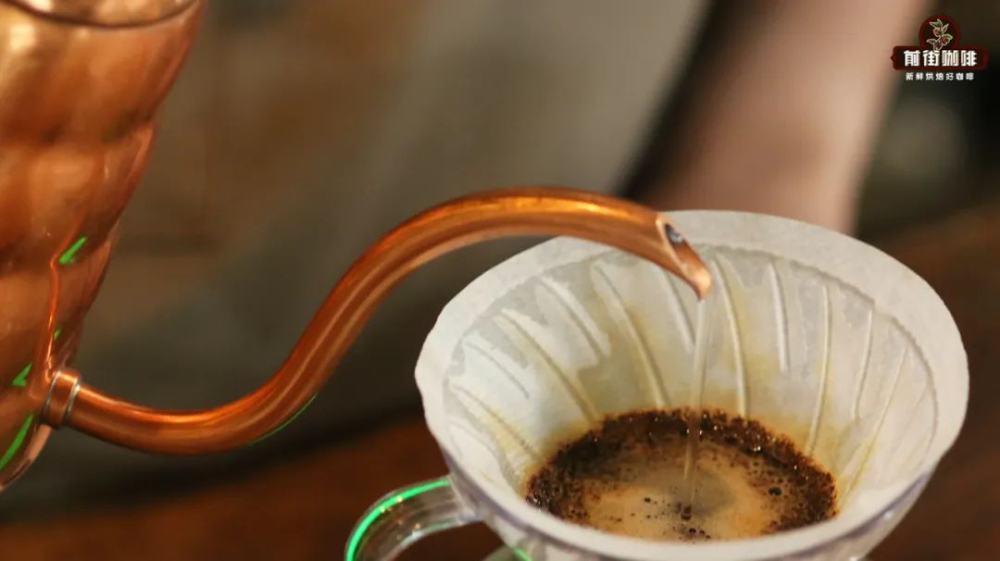
Observing the extraction process, just as the questioner observed initially, changes in pouring speed directly impacted extraction time. The mere difference in pouring speed for the 120ml of water in the second pour—3ml/s vs 6ml/s—resulted in a total extraction time difference of about 20 seconds.
From the final coffee bed morphology, the height of the coffee grounds wall was roughly the same in both protocols. However, in the slow pour protocol, the coffee bed did not rise to its final height during the second pour but only reached the observed level after the increased flow of the third pour. In the fast pour protocol, the coffee bed height matched the final state of the slow pour after the latter two pours. It is currently difficult to assert which coffee bed state is superior or defective—the key still depends on whether other parameters are reasonably matched.
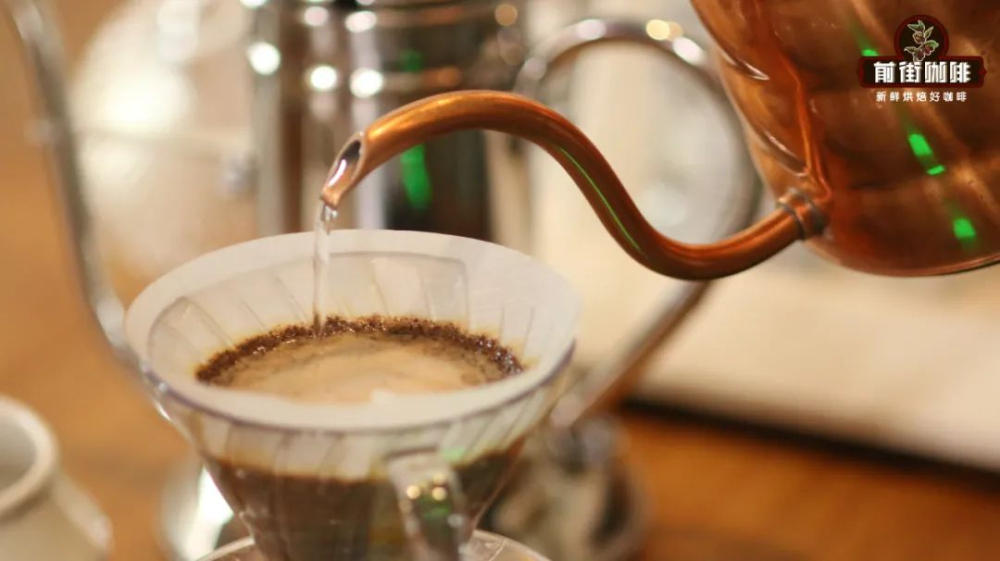
Analyzing the concentration data, the difference between the two is not significant, but the slow pour protocol, due to the longer extraction time, did extract slightly more substances. This is directly related to the extended pouring time and reduced flow rate, which in turn increased the overall extraction yield. However, it’s important to note that a high extraction yield does not necessarily equate to better flavor performance.
In terms of flavor, both protocols displayed the typical characteristics of Huakui coffee, and no undesirable off-flavors appeared. The most noticeable difference lay in the balance of sweetness and acidity: the coffee brewed with the slow pour protocol had more pronounced berry-like sweetness, while the fast pour protocol exhibited a livelier acidity and richer layered complexity. As for mouthfeel, the difference between the two was not significant.
In summary, the experimental results show that pouring speed does indeed influence coffee flavor—as demonstrated in this experiment, different flow rates lead to variations in flavor expression. However, as long as the overall parameters are reasonably set, even with vastly different pouring speeds, the resulting coffee can still fall within an acceptable range. Therefore, there’s no need to overly worry about the impact of pouring speed as a single parameter—if the brew result isn’t ideal, it might be due to poor control of the pour, but more likely it's because the overall parameter combination hasn’t achieved the best balance.
The above content is compiled by CoffeeHunters, a coffee news website.


