







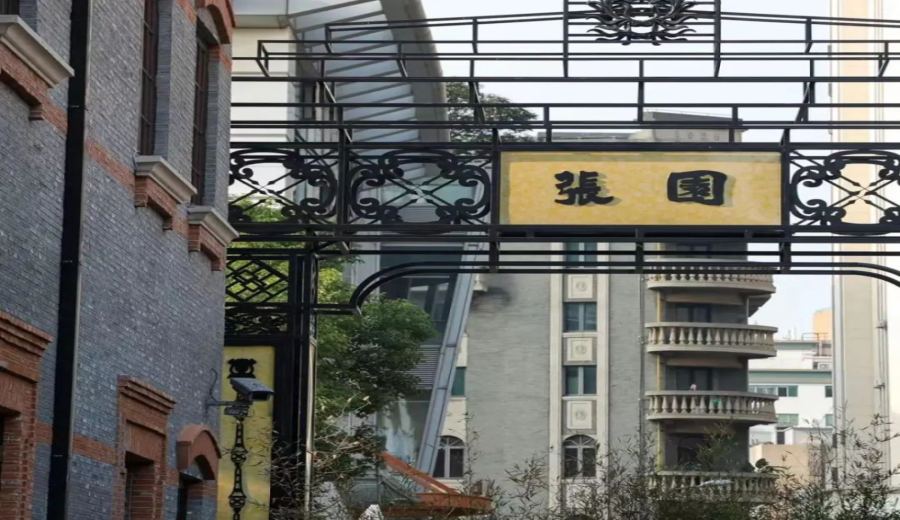
Introduction:Blue Bottle Coffee has officially opened its third store in mainland China at Zhang Yuan in Jing’an District, Shanghai, continuing its strategy of deeply integrating brand spirit with local culture. This article delves into how this new store, located within a historic building, evokes urban memories through its spatial design and signature drinks, and shares Blue Bottle Coffee’s unique considerations in global site selection and menu design.
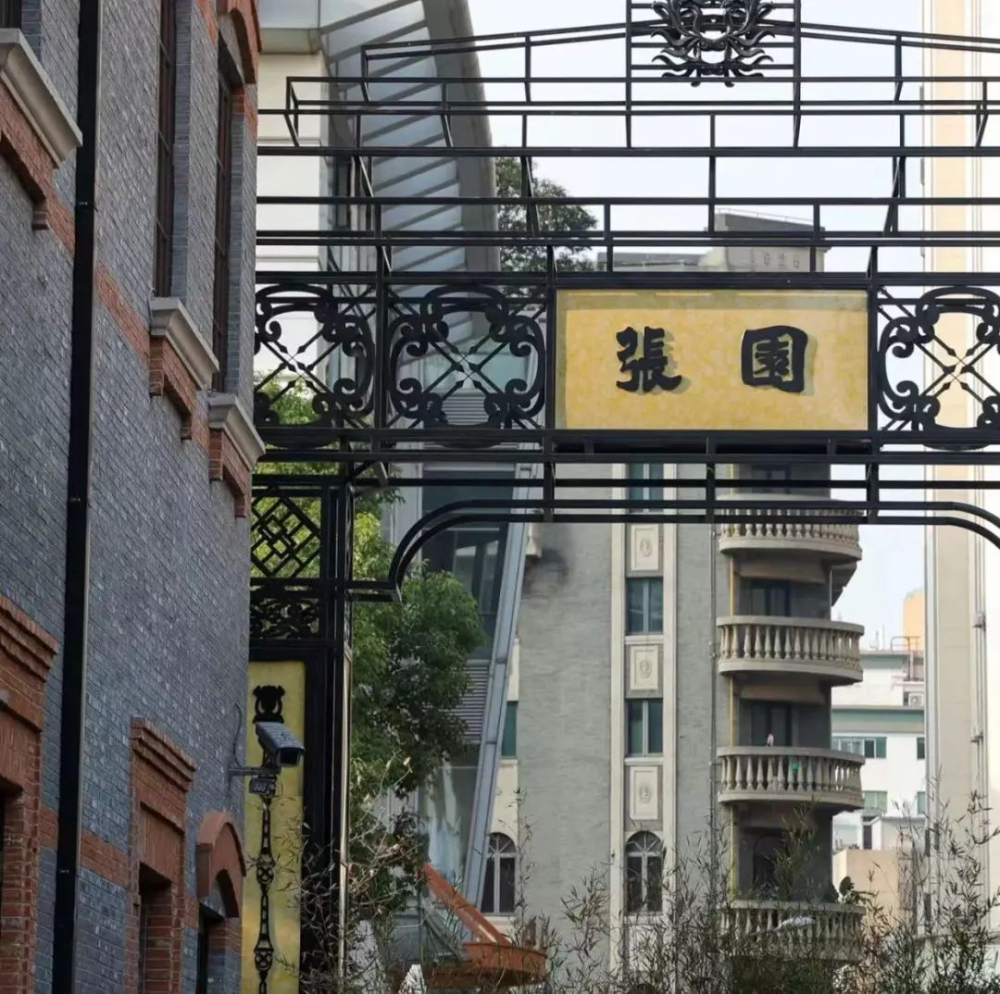
Blue Bottle Coffee recently announced that its third store in mainland China will be located in Zhang Yuan, Jing’an District, Shanghai. This follows the opening of its first store in February this year at the former Yuantong Flour Mill dormitory, once again choosing a historically significant building. Zhang Yuan enjoys the reputation of being “the foremost garden by the sea,” and its Shikumen architectural complex not only carries the city’s memories but also showcases a unique historical ambiance.
In recent years, the National Cultural Heritage Administration has actively promoted the protection and adaptive reuse of heritage buildings, emphasizing that interaction between people and architecture can effectively extend the life of these structures. Since September last year, Jing’an District in Shanghai has initiated the protective restoration project of Zhang Yuan, dedicated to infusing it with new vitality while preserving its original historical features.
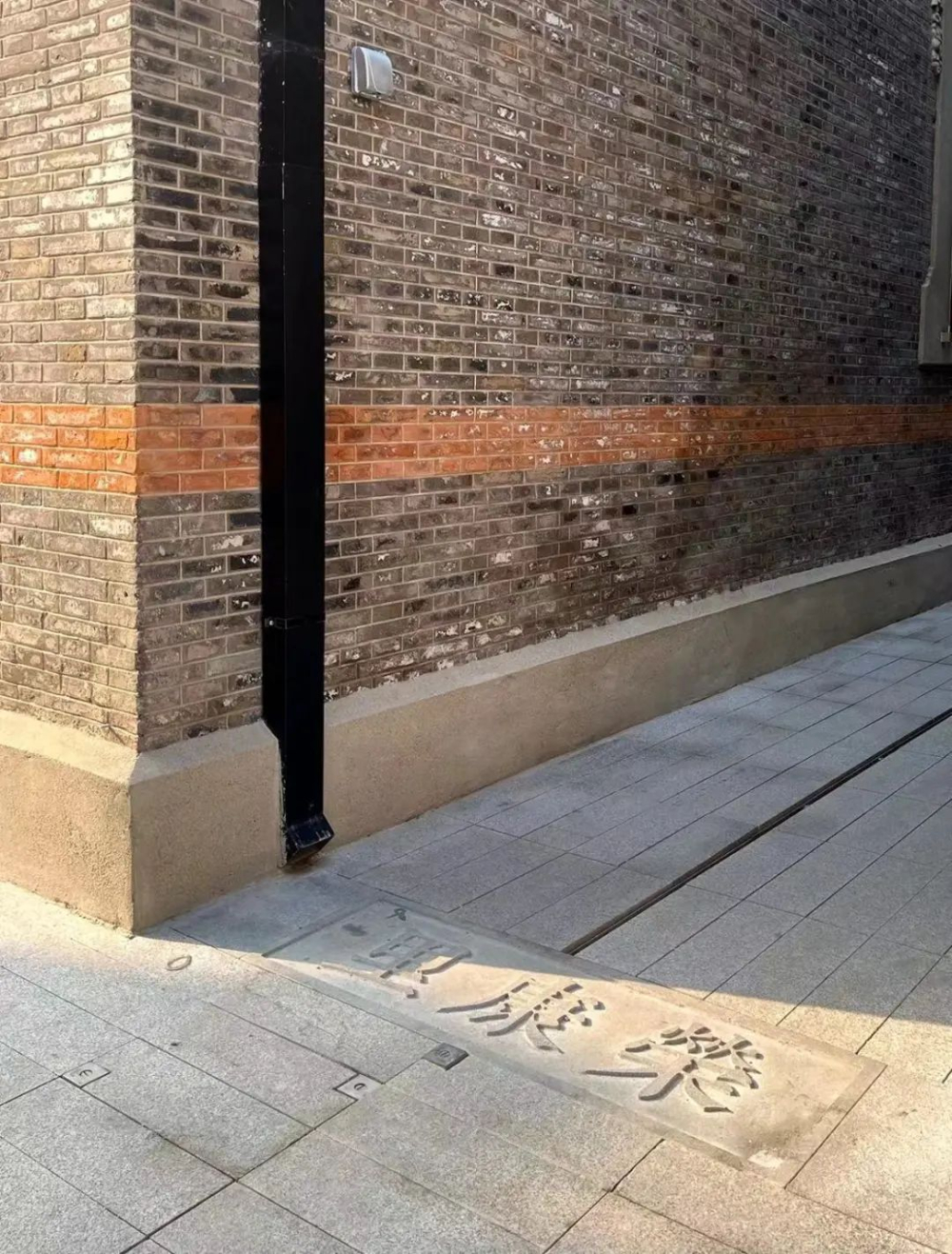
When entering new markets, Blue Bottle Coffee has always emphasized connecting with local culture. Its two existing stores in Shanghai are both located within historic buildings, not only demonstrating respect for local culture but also subtly contributing to the preservation and inheritance of heritage architecture. The third store is situated along the street-facing section of Zhang Yuan’s Shikumen architectural complex—a two-story small Western-style building with a brick-and-wood structure. Its exterior walls are made of fair-faced red bricks, and every brick, every window and door, even the weathered marks on the walls, quietly tell the story of Shanghai’s past.
In its global store layout, over half of Blue Bottle Coffee’s locations are chosen within buildings rich in historical narratives, highlighting the brand’s integration with local culture and environment. Take its Kyoto store in Japan as an example: the design intentionally preserves the original roof structure and clay walls, and utilizes large glass windows to bring in natural light, creating a spatial feel that resonates with the surrounding mountain scenery. The floor height has been carefully adjusted so that staff and customers maintain the same eye level, enhancing the interactive experience.
Beyond spatial design, Blue Bottle Coffee is also adept at incorporating local characteristics into its menu. For instance, its Shanghai Yuantong store specially offers a combination of traditional Shanghai snacks such as rice cakes, mung bean cakes, and twisted dough sticks from well-known local brands, creating a delightful pairing with coffee. Meanwhile, the Kyoto store in Japan serves green tea and mint biscuits made with local matcha and fresh mint—unique in texture and taste, and perfect for enjoying with coffee.
Blue Bottle Coffee understands that touching memories is an effective way to build brand affinity. By presenting familiar flavors in spaces filled with nostalgia, it allows consumers to form deeper connections with the brand in an environment that is both familiar and steeped in history. This strategy not only strengthens the brand image but also delivers a unique coffee experience for customers.
The above content is compiled by CoffeeHunters, a coffee news website.


